
Science
Indian Women Face Cervical Cancer Crisis: Key Facts and Solutions

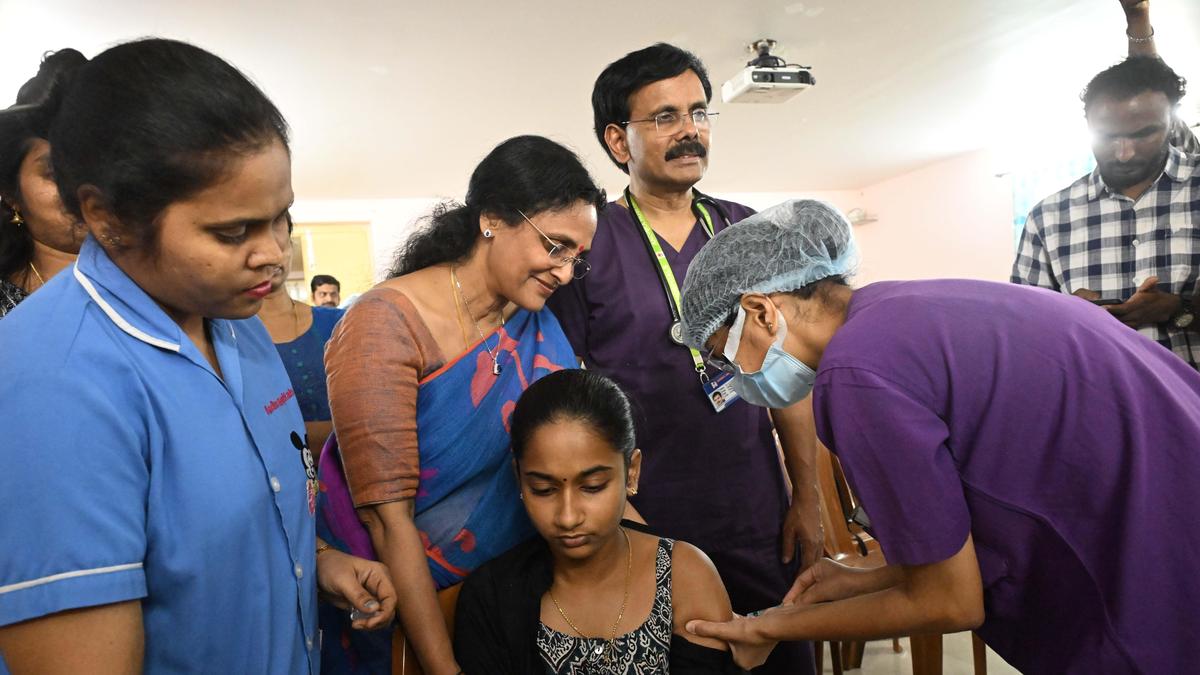
Cervical cancer remains a significant health threat in India, where the country accounts for nearly one-third of global cervical cancer deaths. Each year, over 1.22 lakh new cases are reported, highlighting an urgent public health crisis. Epidemiological data indicates that a woman in India dies from cervical cancer every few minutes, emphasizing the gravity of this issue. Effective prevention strategies, such as vaccination and early detection, are crucial for combating this disease, yet misconceptions surrounding its risk factors persist.
Understanding the Burden of Cervical Cancer
In India, cervical cancer ranks as the second-most prevalent cancer among women, responsible for approximately 6% to 29% of all female cancers and around 17% of cancer-related deaths in women aged 30 to 69 years. The primary risk factor for developing cervical cancer is the presence of high-risk strains of Human Papillomavirus (HPV). Throughout their lifetime, approximately one in 53 Indian women is at risk of developing cervical cancer, compared to one in 100 women in more developed countries.
The National Health Mission, through its population-based screening programme, has screened over 10.18 crore women aged between 30 and 65 years. Despite these efforts, many still believe that cervical cancer primarily affects older women, which can delay early detection and treatment.
Importance of Early Detection and Vaccination
Cervical cancer typically results from an HPV infection that often occurs shortly after the onset of sexual activity. Misconceptions about age-related risks lead to inadequate awareness and screening, making early intervention even more vital. While nearly 75% of sexually active adults may contract at least one form of HPV during their lifetime, less than 1% will progress to cancer. Most HPV infections are temporary; however, persistent infections with high-risk strains can lead to precancerous lesions that may develop into invasive cervical cancer.
Vaccination against HPV is a cornerstone of prevention. The vaccines target types 16 and 18, which account for approximately 80% to 85% of cervical cancer cases in India. Health authorities recommend vaccination for girls and young women aged 9 to 15, extending catch-up vaccinations up to 26 years of age, ideally before sexual activity begins. Evidence suggests that vaccinated males also reduce the risk of HPV transmission, indirectly protecting females by lowering community infection rates.
Currently, HPV vaccination is not included in the Universal Immunisation Programme (UIP), despite significant evidence supporting its long-term cancer prevention benefits.
Regular screening is essential for secondary prevention, as most cervical cancer cases in India are diagnosed at advanced stages, with 75% of patients presenting with regional spread. The five-year survival rate for cervical cancer patients in India is approximately 46%, significantly lower than that in many other Asia-Pacific countries. Early detection of precancerous changes through various screening methods, such as visual examinations and Pap smear tests, provides critical opportunities for timely treatment.
Adopting a Comprehensive Prevention Strategy
To effectively combat cervical cancer, awareness must extend beyond simplistic age-based assumptions. A life course approach to prevention is necessary, which includes vaccination during adolescence, promoting good hygiene and sexual health in early adulthood, and regular screenings from the recommended ages.
Cervical cancer is largely preventable. With informed choices, timely interventions, and sustained awareness, India has the potential to significantly reduce the burden of this disease and protect women across generations. As noted by Dr. Vinod K. Ramani, a consultant in preventive oncology at Sammprada Hospital in Bangalore, a comprehensive strategy involving education, prevention, and early detection can make a profound difference in women’s health in India.

Albert Camus’ Insightful Quote on Human Identity Resurfaces

Drone Strikes and Missile Attacks Disrupt UAE Amid Rising Tensions

Japanese Yen Rises Sharply Against US Dollar Ahead of Key Decisions

Priyanka Chopra and Nick Jonas Avoid Near Miss en Route to Oscars

Gujarat Vaccinates Over 11 Lakh Infants in Major Health Drive

Alexandre Singh Wins Oscar, Celebrates Immigrant Heritage

Lok Sabha Speaker Issues Warning Over Placards in Parliament

Global Electrosurgical Devices Market Expands to $10.2 Billion by 2034

North Zone Dominates Cricket; SJAM-1 Shines in Table Tennis

SBI Announces QIP Floor Price at ₹811.05 Per Share

Cept Unveils ₹3.1 Crore Urban Mobility Plan for Sustainable Growth

Comparing Subscription Prices: Spotify, Apple Music, and YouTube Music in India

New Blood Group Discovered in South Indian Woman at Rotary Centre

Konkani Cultural Organisation to Host Pearl Jubilee in Abu Dhabi

Torrential Rains Cause Flash Flooding in New York and New Jersey

Nothing Headphone 1 Review: A Bold Contender in Audio Design

Air India Crash Investigation Highlights Boeing Fuel Switch Concerns

Broad Advocates for Bowling Change Ahead of Final Test Against India
-
 World1 year ago
SBI Announces QIP Floor Price at ₹811.05 Per Share
-
 Lifestyle1 year ago
Cept Unveils ₹3.1 Crore Urban Mobility Plan for Sustainable Growth
-
 Science1 year ago
Comparing Subscription Prices: Spotify, Apple Music, and YouTube Music in India
-
 Science1 year ago
New Blood Group Discovered in South Indian Woman at Rotary Centre
-
 Top Stories1 year ago
Konkani Cultural Organisation to Host Pearl Jubilee in Abu Dhabi
-
 World1 year ago
Torrential Rains Cause Flash Flooding in New York and New Jersey
-
 Science1 year ago
Nothing Headphone 1 Review: A Bold Contender in Audio Design
-
 Top Stories1 year ago
Air India Crash Investigation Highlights Boeing Fuel Switch Concerns
-
 Sports1 year ago
Broad Advocates for Bowling Change Ahead of Final Test Against India
-

 Business1 year ago
Indian Stock Market Rebounds: Sensex and Nifty Rise After Four-Day Decline
-

 Sports1 year ago
Cristian Totti Retires at 19: Pressure of Fame Takes Toll
-

 Politics1 year ago
Abandoned Doberman Finds New Home After Journey to Prague