
Politics
Assam CM Sarma Engages with 22 Ahom Groups Over ST Status

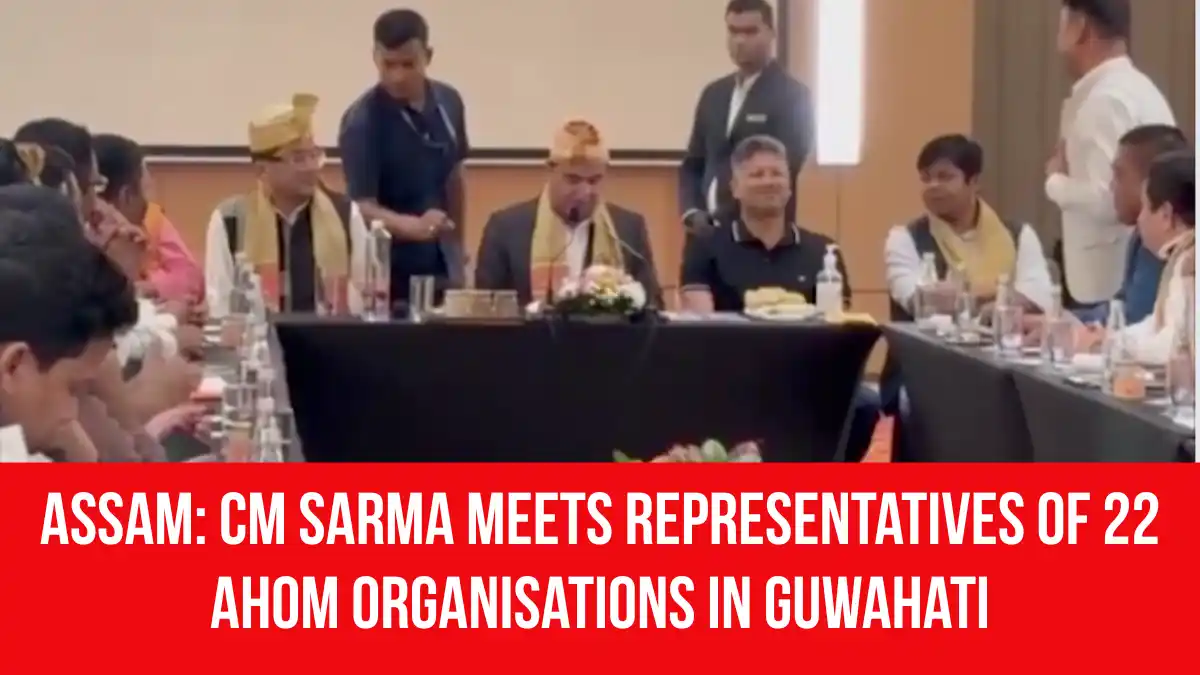
Assam Chief Minister Himanta Biswa Sarma convened an informal meeting in Guwahati with representatives from 22 organisations representing the Ahom community. The gathering, characterized by the Chief Minister as unofficial, addressed the significant demand for Scheduled Tribe (ST) status for the community, a matter of ongoing contention in the region.
The meeting took place on March 16, 2026, shortly before the implementation of the election code of conduct, which influenced the scheduling of the discussion. CM Sarma noted, “We could not schedule the meeting in my office, and no serious talks or discussions were held related to any government matter today.” He emphasized that the discussions were more about the community’s aspirations rather than formal government negotiations.
Among the organizations present were notable groups such as the Atachu Milan Borgohain Samiti, Ahom Sabha, TAIPA, Ahom Sena, and the Purvanchal Tai Sahitya Sabha. Following the encounter, representatives from these organisations expressed optimism regarding their longstanding demand for ST status, highlighting that CM Sarma has committed to relay their requests to the central government.
The push for ST status has gained momentum from various groups within Assam, including the Tai Ahom, Chutia, Moran, Motok, Koch-Rajbongshi, and Tea tribes. These communities argue that recognition as Scheduled Tribes is essential to safeguard their indigenous cultural identities and traditions. They assert their origins as tribal people, seeking acknowledgment as ‘aboriginals’ by the state.
Despite the growing support for these demands, challenges remain. The Consultative Group of the Coordination Committee of Tribal Organizations of Assam (CCTOA), led by Suhas Chakma, submitted a recommendation on January 6, 2026, to the Group of Ministers (GoM) chairperson, Dr. Ranoj Pegu, opposing the granting of ST status to the aforementioned communities. This opposition adds a layer of complexity to the ongoing discussions and highlights the differing perspectives within Assam regarding tribal recognition.
As the situation develops, the Chief Minister’s engagement with Ahom representatives marks a significant moment in the dialogue surrounding tribal status in Assam. The outcome of these discussions could influence the future of various communities seeking recognition and support from the government, underscoring the importance of the Ahom’s demands in the broader context of Assam’s socio-political landscape.

Albert Camus’ Insightful Quote on Human Identity Resurfaces

Drone Strikes and Missile Attacks Disrupt UAE Amid Rising Tensions

Japanese Yen Rises Sharply Against US Dollar Ahead of Key Decisions

Priyanka Chopra and Nick Jonas Avoid Near Miss en Route to Oscars

Gujarat Vaccinates Over 11 Lakh Infants in Major Health Drive

Alexandre Singh Wins Oscar, Celebrates Immigrant Heritage

Lok Sabha Speaker Issues Warning Over Placards in Parliament

Global Electrosurgical Devices Market Expands to $10.2 Billion by 2034

North Zone Dominates Cricket; SJAM-1 Shines in Table Tennis

SBI Announces QIP Floor Price at ₹811.05 Per Share

Cept Unveils ₹3.1 Crore Urban Mobility Plan for Sustainable Growth

Comparing Subscription Prices: Spotify, Apple Music, and YouTube Music in India

New Blood Group Discovered in South Indian Woman at Rotary Centre

Konkani Cultural Organisation to Host Pearl Jubilee in Abu Dhabi

Torrential Rains Cause Flash Flooding in New York and New Jersey

Nothing Headphone 1 Review: A Bold Contender in Audio Design

Air India Crash Investigation Highlights Boeing Fuel Switch Concerns

Broad Advocates for Bowling Change Ahead of Final Test Against India
-
 World1 year ago
SBI Announces QIP Floor Price at ₹811.05 Per Share
-
 Lifestyle1 year ago
Cept Unveils ₹3.1 Crore Urban Mobility Plan for Sustainable Growth
-
 Science1 year ago
Comparing Subscription Prices: Spotify, Apple Music, and YouTube Music in India
-
 Science1 year ago
New Blood Group Discovered in South Indian Woman at Rotary Centre
-
 Top Stories1 year ago
Konkani Cultural Organisation to Host Pearl Jubilee in Abu Dhabi
-
 World1 year ago
Torrential Rains Cause Flash Flooding in New York and New Jersey
-
 Science1 year ago
Nothing Headphone 1 Review: A Bold Contender in Audio Design
-
 Top Stories1 year ago
Air India Crash Investigation Highlights Boeing Fuel Switch Concerns
-
 Sports1 year ago
Broad Advocates for Bowling Change Ahead of Final Test Against India
-

 Business1 year ago
Indian Stock Market Rebounds: Sensex and Nifty Rise After Four-Day Decline
-

 Sports1 year ago
Cristian Totti Retires at 19: Pressure of Fame Takes Toll
-

 Politics1 year ago
Abandoned Doberman Finds New Home After Journey to Prague