
Health
Delhi to Launch ‘Super Medical Hub’ Integrating Key Hospitals

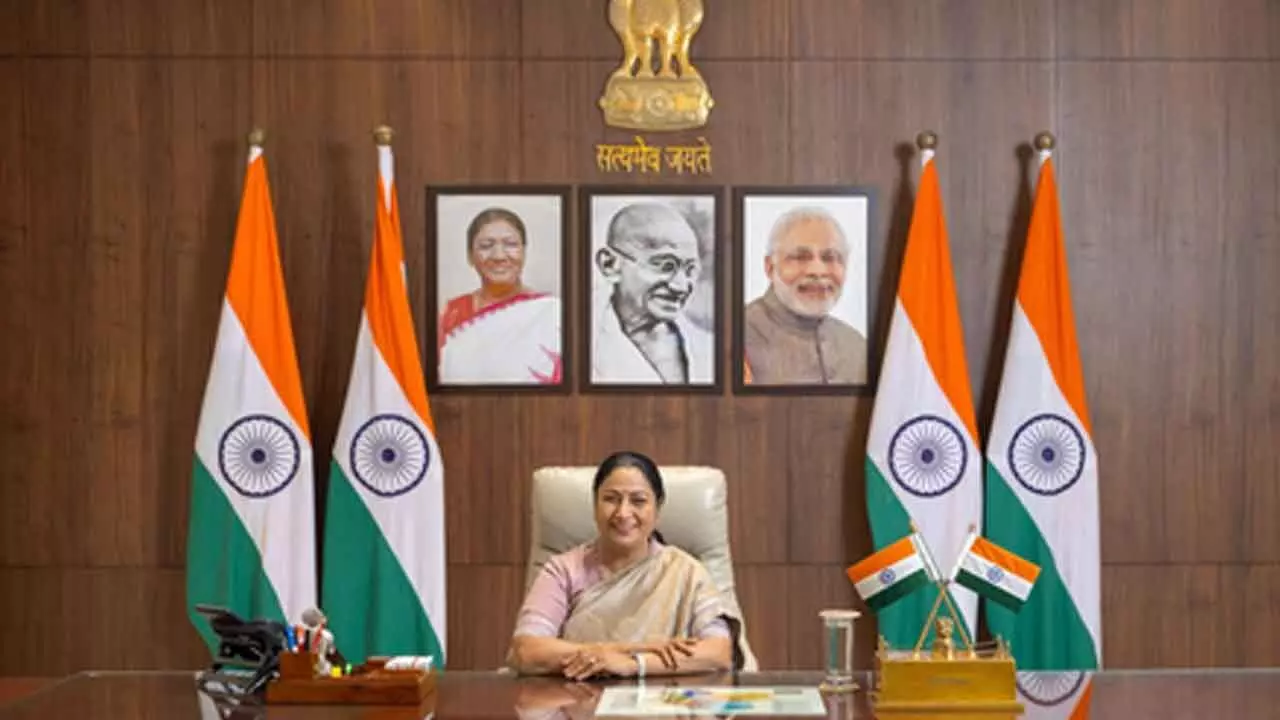
Delhi Chief Minister Rekha Gupta announced a significant plan on March 10, 2024, to transform the city’s healthcare system by integrating three major public medical institutions into a unified autonomous entity. The institutions involved are Guru Teg Bahadur (GTB) Hospital, the Delhi State Cancer Institute (DSCI), and the Rajiv Gandhi Super Speciality Hospital (RGSSH). This initiative aims to establish a model similar to that of the All India Institute of Medical Sciences (AIIMS).
During a meeting that included Health Minister Pankaj Kumar Singh and senior officials from various departments, Gupta highlighted the necessity for a stronger, more coordinated healthcare framework. The proposal emphasizes the efficient use of existing resources and the development of world-class medical facilities in the capital.
The integration plan seeks to improve the utilization of healthcare professionals, medical equipment, and infrastructure. Gupta asserted that a systematic approach to distributing super-specialty services across hospitals will lead to better patient outcomes. “Strengthening healthcare in the capital requires the scientific and efficient use of available resources,” she stated.
Current Hospital Capacities and Patient Demand
The meeting also addressed the pressing issue of hospital bed capacity and the increasing number of patients seeking care. Currently, Rajiv Gandhi Super Speciality Hospital has a total capacity of 650 beds, but only about 250 of these are operational, leaving approximately 400 beds unused. In contrast, both the Delhi State Cancer Institute and GTB Hospital are overwhelmed, with GTB operating beyond its original capacity of 1,400 beds, currently hosting over 1,500 patients.
Patient statistics reveal the extent of the pressure on these institutions. GTB Hospital records over 1.4 million outpatient visits annually, with nearly 95,000 patients receiving inpatient care. Meanwhile, the Delhi State Cancer Institute manages around 127,000 outpatient visits, while RGSSH sees nearly 287,000 outpatient patients each year. These numbers indicate a significant mismatch in patient distribution, underscoring the urgent need for enhanced coordination and resource management.
Future Developments and Specialties
Once the integration is complete, the plan includes the establishment of the Institute of Human Behaviour and Allied Sciences (IHBAS) as a major national center for mental health and neurosciences, referred to as NIMHANS-2. This initiative aims to further strengthen the mental health infrastructure in Delhi.
The integration will ensure that super-specialty services are allocated more effectively among the hospitals. For instance, RGSSH will enhance its services in key areas such as cardiology, pulmonology, gastroenterology, and nephrology. The Delhi State Cancer Institute is set to become the primary hub for cancer care, consolidating services like radiation oncology, surgical oncology, and palliative care.
This ambitious plan by Chief Minister Gupta marks a crucial step towards creating a cohesive and efficient healthcare system in Delhi, aiming to meet the growing demands of the city’s population while maximizing the potential of existing medical resources.

Albert Camus’ Insightful Quote on Human Identity Resurfaces

Drone Strikes and Missile Attacks Disrupt UAE Amid Rising Tensions

Japanese Yen Rises Sharply Against US Dollar Ahead of Key Decisions

Priyanka Chopra and Nick Jonas Avoid Near Miss en Route to Oscars

Gujarat Vaccinates Over 11 Lakh Infants in Major Health Drive

Alexandre Singh Wins Oscar, Celebrates Immigrant Heritage

Lok Sabha Speaker Issues Warning Over Placards in Parliament

Global Electrosurgical Devices Market Expands to $10.2 Billion by 2034

North Zone Dominates Cricket; SJAM-1 Shines in Table Tennis

SBI Announces QIP Floor Price at ₹811.05 Per Share

Cept Unveils ₹3.1 Crore Urban Mobility Plan for Sustainable Growth

Comparing Subscription Prices: Spotify, Apple Music, and YouTube Music in India

New Blood Group Discovered in South Indian Woman at Rotary Centre

Konkani Cultural Organisation to Host Pearl Jubilee in Abu Dhabi

Torrential Rains Cause Flash Flooding in New York and New Jersey

Nothing Headphone 1 Review: A Bold Contender in Audio Design

Air India Crash Investigation Highlights Boeing Fuel Switch Concerns

Broad Advocates for Bowling Change Ahead of Final Test Against India
-
 World1 year ago
SBI Announces QIP Floor Price at ₹811.05 Per Share
-
 Lifestyle1 year ago
Cept Unveils ₹3.1 Crore Urban Mobility Plan for Sustainable Growth
-
 Science1 year ago
Comparing Subscription Prices: Spotify, Apple Music, and YouTube Music in India
-
 Science1 year ago
New Blood Group Discovered in South Indian Woman at Rotary Centre
-
 Top Stories1 year ago
Konkani Cultural Organisation to Host Pearl Jubilee in Abu Dhabi
-
 World1 year ago
Torrential Rains Cause Flash Flooding in New York and New Jersey
-
 Science1 year ago
Nothing Headphone 1 Review: A Bold Contender in Audio Design
-
 Top Stories1 year ago
Air India Crash Investigation Highlights Boeing Fuel Switch Concerns
-
 Sports1 year ago
Broad Advocates for Bowling Change Ahead of Final Test Against India
-

 Business1 year ago
Indian Stock Market Rebounds: Sensex and Nifty Rise After Four-Day Decline
-

 Sports1 year ago
Cristian Totti Retires at 19: Pressure of Fame Takes Toll
-

 Politics1 year ago
Abandoned Doberman Finds New Home After Journey to Prague