
Business
Firewood Prices Surge as Hotels Turn to Traditional Fuels

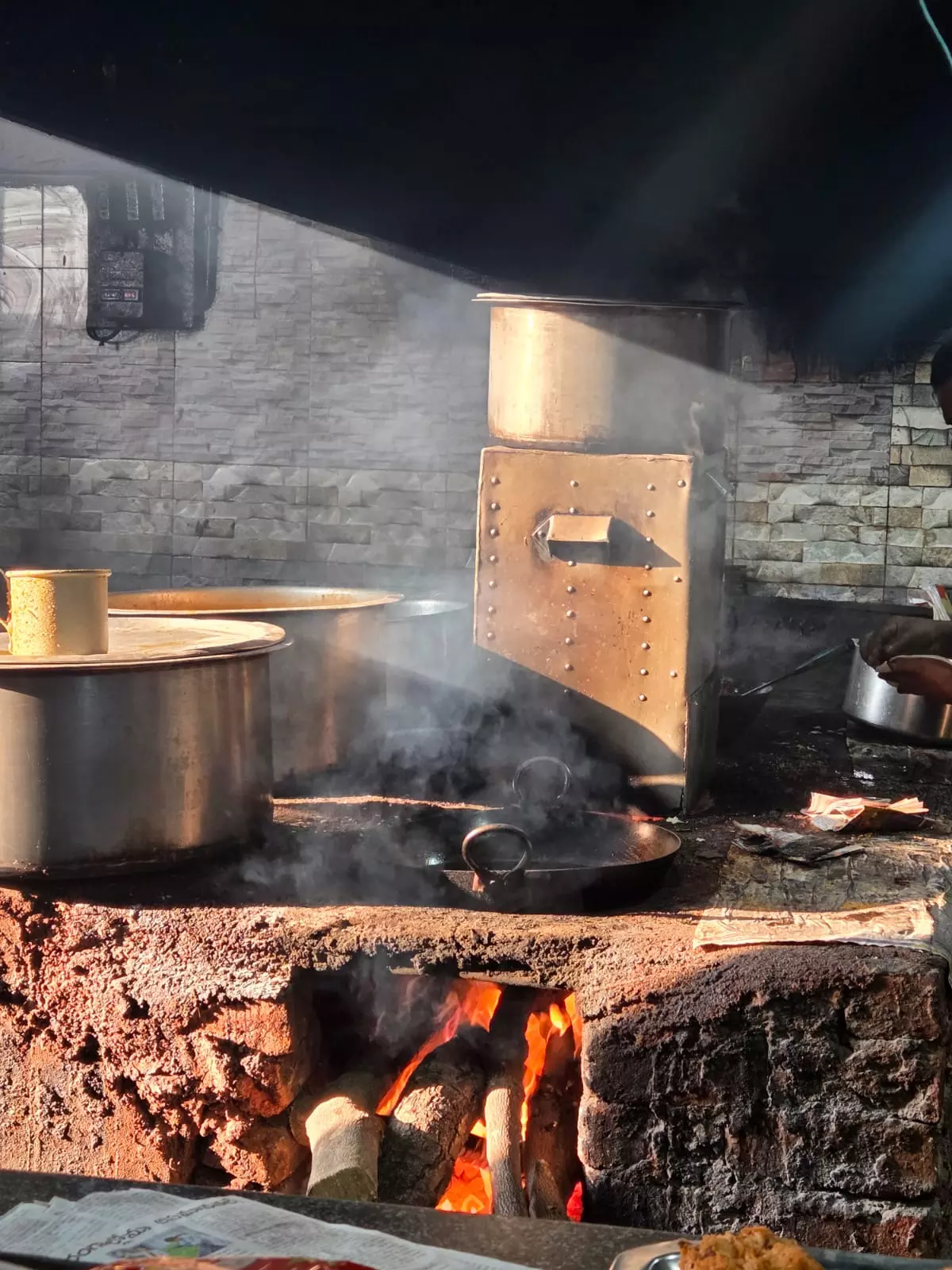
The ongoing shortage of commercial LPG cylinders in several regions of Andhra Pradesh has compelled hotels and roadside eateries to revert to traditional cooking fuels, primarily firewood. This shift has led to a significant increase in firewood prices, jumping from approximately ₹3,300 per tonne to nearly ₹4,500 per tonne. As a result, many hotel operators are flocking to firewood depots to secure supplies for their businesses.
The scarcity of LPG has disrupted the usual stability of fuel prices, forcing business owners to explore alternatives. Alongside firewood, they are turning to other cooking fuels such as groundnut shells, rice husk, and charcoal. Industry insiders indicate that while LPG was readily available, prices of these alternative fuels remained consistent. The current situation has altered that dynamic drastically.
Impact on Local Businesses
The shift to traditional cooking methods is particularly evident along the Bengaluru-Hyderabad National Highway, which traverses districts like Sri Sathya Sai, Anantapur, and Kurnool. Numerous roadside dhabas, which cater to travelers and transporters, are now relying on firewood and other alternative fuels to meet the growing demand.
A hotel owner from Kurnool noted that the transition to wood-fired stoves necessitates adequate space and infrastructure, posing challenges for many establishments. The increased prices of alternative cooking fuels are pushing some hotels to reconsider their operational capacities.
The price increases are not limited to firewood alone. Groundnut shells have surged from ₹3,800 per tonne to ₹4,600, while rice husk has risen from ₹3,200 to ₹4,500 per tonne. Similarly, charcoal prices have seen a rise, with a five-kilogram pack now costing around ₹400, up from ₹250.
Challenges and Adaptations
This shift to traditional fuels is not without its challenges. The Kurnool hotel owner emphasized the need for proper installation of wood-fired stoves and related infrastructure, which may not be feasible for all businesses. As hotels adapt to the changing conditions, they face not only higher costs but also the logistical challenges of sourcing firewood and other fuels.
The current situation highlights the vulnerability of businesses reliant on specific types of fuel. With the ongoing LPG shortage, many establishments are left exploring various options to sustain their operations. As the demand for wood and alternative fuels continues to rise, traders are capitalizing on the situation, further driving up prices.
While the situation remains fluid, the impact on local businesses and consumers is palpable. The transition to traditional cooking methods reflects broader supply chain challenges and market fluctuations that many industries are currently navigating.

Albert Camus’ Insightful Quote on Human Identity Resurfaces

Drone Strikes and Missile Attacks Disrupt UAE Amid Rising Tensions

Japanese Yen Rises Sharply Against US Dollar Ahead of Key Decisions

Priyanka Chopra and Nick Jonas Avoid Near Miss en Route to Oscars

Gujarat Vaccinates Over 11 Lakh Infants in Major Health Drive

Alexandre Singh Wins Oscar, Celebrates Immigrant Heritage

Lok Sabha Speaker Issues Warning Over Placards in Parliament

Global Electrosurgical Devices Market Expands to $10.2 Billion by 2034

North Zone Dominates Cricket; SJAM-1 Shines in Table Tennis

SBI Announces QIP Floor Price at ₹811.05 Per Share

Cept Unveils ₹3.1 Crore Urban Mobility Plan for Sustainable Growth

Comparing Subscription Prices: Spotify, Apple Music, and YouTube Music in India

New Blood Group Discovered in South Indian Woman at Rotary Centre

Konkani Cultural Organisation to Host Pearl Jubilee in Abu Dhabi

Torrential Rains Cause Flash Flooding in New York and New Jersey

Nothing Headphone 1 Review: A Bold Contender in Audio Design

Air India Crash Investigation Highlights Boeing Fuel Switch Concerns

Broad Advocates for Bowling Change Ahead of Final Test Against India
-
 World1 year ago
SBI Announces QIP Floor Price at ₹811.05 Per Share
-
 Lifestyle1 year ago
Cept Unveils ₹3.1 Crore Urban Mobility Plan for Sustainable Growth
-
 Science1 year ago
Comparing Subscription Prices: Spotify, Apple Music, and YouTube Music in India
-
 Science1 year ago
New Blood Group Discovered in South Indian Woman at Rotary Centre
-
 Top Stories1 year ago
Konkani Cultural Organisation to Host Pearl Jubilee in Abu Dhabi
-
 World1 year ago
Torrential Rains Cause Flash Flooding in New York and New Jersey
-
 Science1 year ago
Nothing Headphone 1 Review: A Bold Contender in Audio Design
-
 Top Stories1 year ago
Air India Crash Investigation Highlights Boeing Fuel Switch Concerns
-
 Sports1 year ago
Broad Advocates for Bowling Change Ahead of Final Test Against India
-

 Business1 year ago
Indian Stock Market Rebounds: Sensex and Nifty Rise After Four-Day Decline
-

 Sports1 year ago
Cristian Totti Retires at 19: Pressure of Fame Takes Toll
-

 Politics1 year ago
Abandoned Doberman Finds New Home After Journey to Prague