
Politics
Government Revokes Sonam Wangchuk’s Detention After Six Months

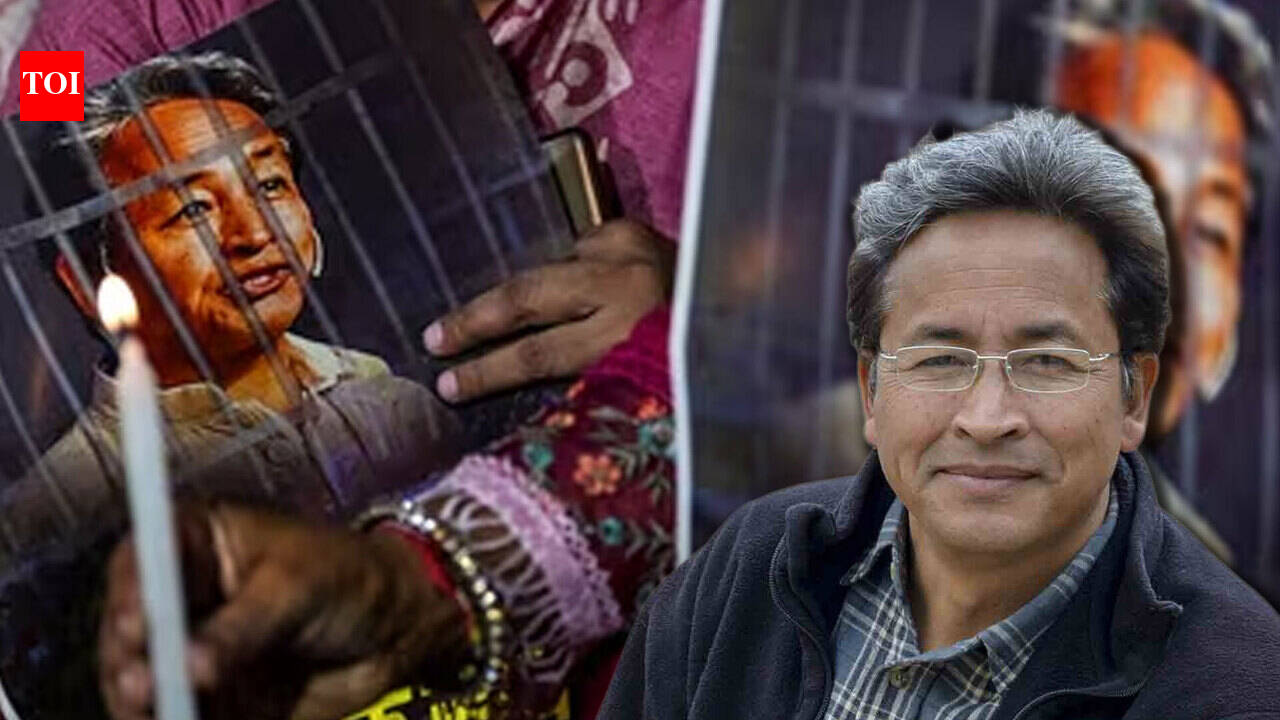
The Indian government has officially revoked the detention of activist Sonam Wangchuk, who spent nearly six months imprisoned under the National Security Act. This decision, announced by the Ministry of Home Affairs, follows extensive protests and legal challenges regarding his detention. Wangchuk was initially taken into custody amidst violent demonstrations in Leh, which were linked to demands for statehood and protections under the Sixth Schedule for the region of Ladakh.
The agitation highlighted significant concerns among residents, focusing on ecological protection, job creation, and the safeguarding of local rights in this Himalayan territory. Many local leaders and community members expressed that the unrest stemmed from a perceived inadequacy in governmental response to their demands.
Legal proceedings surrounding Wangchuk’s detention gained traction, culminating in a challenge presented before the Supreme Court of India. During these proceedings, justices questioned the evidence that justified his continued incarceration. Following the court’s scrutiny, the government’s decision to release Wangchuk signals an attempt to address the ongoing tensions in the region.
Government’s Commitment to Dialogue
With the detention now lifted, the government has stated its commitment to restoring normalcy in Ladakh. Officials have emphasized the importance of rebuilding trust and fostering constructive dialogue with various stakeholders in the region. The Ministry of Home Affairs indicated that they are focused on addressing the issues that led to the unrest and ensuring that the voices of local communities are heard.
The lifting of Wangchuk’s detention is seen as a step towards alleviating tensions in Ladakh and may pave the way for more inclusive discussions regarding the future governance of the region. Activists and community leaders are now hopeful that this change could lead to meaningful reforms that align with the aspirations of the Ladakhi people.
The developments in this case reflect a broader context of social and political dynamics in India, particularly in regions experiencing agitation for greater autonomy and rights. As the government moves forward, the actions taken in Ladakh may serve as a critical test of its approach to handling regional dissent and community engagement.

Albert Camus’ Insightful Quote on Human Identity Resurfaces

Drone Strikes and Missile Attacks Disrupt UAE Amid Rising Tensions

Japanese Yen Rises Sharply Against US Dollar Ahead of Key Decisions

Priyanka Chopra and Nick Jonas Avoid Near Miss en Route to Oscars

Gujarat Vaccinates Over 11 Lakh Infants in Major Health Drive

Alexandre Singh Wins Oscar, Celebrates Immigrant Heritage

Lok Sabha Speaker Issues Warning Over Placards in Parliament

Global Electrosurgical Devices Market Expands to $10.2 Billion by 2034

North Zone Dominates Cricket; SJAM-1 Shines in Table Tennis

SBI Announces QIP Floor Price at ₹811.05 Per Share

Cept Unveils ₹3.1 Crore Urban Mobility Plan for Sustainable Growth

Comparing Subscription Prices: Spotify, Apple Music, and YouTube Music in India

New Blood Group Discovered in South Indian Woman at Rotary Centre

Konkani Cultural Organisation to Host Pearl Jubilee in Abu Dhabi

Torrential Rains Cause Flash Flooding in New York and New Jersey

Nothing Headphone 1 Review: A Bold Contender in Audio Design

Air India Crash Investigation Highlights Boeing Fuel Switch Concerns

Broad Advocates for Bowling Change Ahead of Final Test Against India
-
 World1 year ago
SBI Announces QIP Floor Price at ₹811.05 Per Share
-
 Lifestyle1 year ago
Cept Unveils ₹3.1 Crore Urban Mobility Plan for Sustainable Growth
-
 Science1 year ago
Comparing Subscription Prices: Spotify, Apple Music, and YouTube Music in India
-
 Science1 year ago
New Blood Group Discovered in South Indian Woman at Rotary Centre
-
 Top Stories1 year ago
Konkani Cultural Organisation to Host Pearl Jubilee in Abu Dhabi
-
 World1 year ago
Torrential Rains Cause Flash Flooding in New York and New Jersey
-
 Science1 year ago
Nothing Headphone 1 Review: A Bold Contender in Audio Design
-
 Top Stories1 year ago
Air India Crash Investigation Highlights Boeing Fuel Switch Concerns
-
 Sports1 year ago
Broad Advocates for Bowling Change Ahead of Final Test Against India
-

 Business1 year ago
Indian Stock Market Rebounds: Sensex and Nifty Rise After Four-Day Decline
-

 Sports1 year ago
Cristian Totti Retires at 19: Pressure of Fame Takes Toll
-

 Politics1 year ago
Abandoned Doberman Finds New Home After Journey to Prague