
Top Stories
Drone Strikes and Missile Attacks Disrupt UAE Amid Rising Tensions

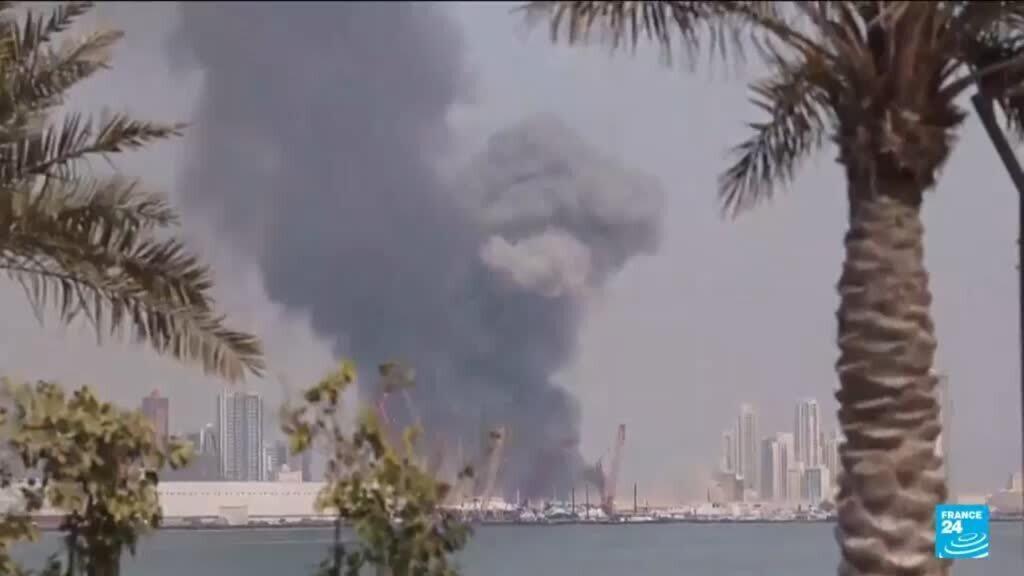
A series of drone strikes and missile attacks in the United Arab Emirates (UAE) have raised concerns over escalating tensions in the Gulf region. A recent drone attack near Dubai International Airport sparked a significant fuel tank fire, leading to travel disruptions. In a separate incident in Abu Dhabi, a missile strike tragically resulted in the death of a civilian who was in their car. Furthermore, another drone strike ignited a fire in an area known for its oil infrastructure.
The ongoing military actions are part of Iran’s broader campaign against nations that host US forces, particularly in the Gulf region. This pattern of aggression highlights the increasingly volatile security situation in the area, which is critical for global oil supply.
Details of the Attacks
The drone strike near Dubai International Airport took place on March 15, 2024, and caused extensive damage to fuel tanks, impacting flight schedules and raising alarms among travelers. Emergency services responded swiftly to contain the fire, but the incident underscored the vulnerability of key infrastructure in the UAE.
In Abu Dhabi, a missile strike occurred at approximately 14:30 local time, taking the life of a civilian. The individual was reportedly driving through the city when the missile hit, prompting immediate condemnation from local authorities. The UAE’s Ministry of Foreign Affairs released a statement expressing outrage and calling for international support to address the rising threats from Iran.
The drone strike in an oil infrastructure area further illustrates the potential risks to global energy supplies. The Gulf region is a vital transit route for oil, and any disruption can have far-reaching implications on international markets.
Responses from Authorities
In light of these attacks, officials from the UAE have reiterated their commitment to maintaining security and stability in the region. The UAE’s Minister of Foreign Affairs, Sheikh Abdullah bin Zayed Al Nahyan, emphasized the need for a united front against such aggression, stating, “We will not tolerate any threats to our sovereignty.”
International reactions have also been significant, with various nations expressing solidarity with the UAE. Analysts suggest that these incidents reflect Iran’s strategy to exert influence and challenge US presence in the region.
As tensions continue to rise, the situation remains fluid, and both local and international stakeholders are closely monitoring developments. The ongoing conflict may have implications not only for regional security but also for the global economy, particularly in energy markets.
The UAE’s ability to manage and respond to these threats will likely be tested in the upcoming weeks, as the nation navigates a complex geopolitical landscape in the Gulf. With Iran’s air campaign intensifying, the potential for further escalations looms large, prompting calls for proactive diplomatic engagements among affected nations.

Albert Camus’ Insightful Quote on Human Identity Resurfaces

Drone Strikes and Missile Attacks Disrupt UAE Amid Rising Tensions

Japanese Yen Rises Sharply Against US Dollar Ahead of Key Decisions

Priyanka Chopra and Nick Jonas Avoid Near Miss en Route to Oscars

Gujarat Vaccinates Over 11 Lakh Infants in Major Health Drive

Alexandre Singh Wins Oscar, Celebrates Immigrant Heritage

Lok Sabha Speaker Issues Warning Over Placards in Parliament

Global Electrosurgical Devices Market Expands to $10.2 Billion by 2034

North Zone Dominates Cricket; SJAM-1 Shines in Table Tennis

SBI Announces QIP Floor Price at ₹811.05 Per Share

Cept Unveils ₹3.1 Crore Urban Mobility Plan for Sustainable Growth

Comparing Subscription Prices: Spotify, Apple Music, and YouTube Music in India

New Blood Group Discovered in South Indian Woman at Rotary Centre

Konkani Cultural Organisation to Host Pearl Jubilee in Abu Dhabi

Torrential Rains Cause Flash Flooding in New York and New Jersey

Nothing Headphone 1 Review: A Bold Contender in Audio Design

Air India Crash Investigation Highlights Boeing Fuel Switch Concerns

Broad Advocates for Bowling Change Ahead of Final Test Against India
-
 World1 year ago
SBI Announces QIP Floor Price at ₹811.05 Per Share
-
 Lifestyle1 year ago
Cept Unveils ₹3.1 Crore Urban Mobility Plan for Sustainable Growth
-
 Science1 year ago
Comparing Subscription Prices: Spotify, Apple Music, and YouTube Music in India
-
 Science1 year ago
New Blood Group Discovered in South Indian Woman at Rotary Centre
-
 Top Stories1 year ago
Konkani Cultural Organisation to Host Pearl Jubilee in Abu Dhabi
-
 World1 year ago
Torrential Rains Cause Flash Flooding in New York and New Jersey
-
 Science1 year ago
Nothing Headphone 1 Review: A Bold Contender in Audio Design
-
 Top Stories1 year ago
Air India Crash Investigation Highlights Boeing Fuel Switch Concerns
-
 Sports1 year ago
Broad Advocates for Bowling Change Ahead of Final Test Against India
-

 Business1 year ago
Indian Stock Market Rebounds: Sensex and Nifty Rise After Four-Day Decline
-

 Sports1 year ago
Cristian Totti Retires at 19: Pressure of Fame Takes Toll
-

 Politics1 year ago
Abandoned Doberman Finds New Home After Journey to Prague