
Top Stories
Allies Delay Military Response to Trump’s Hormuz Request

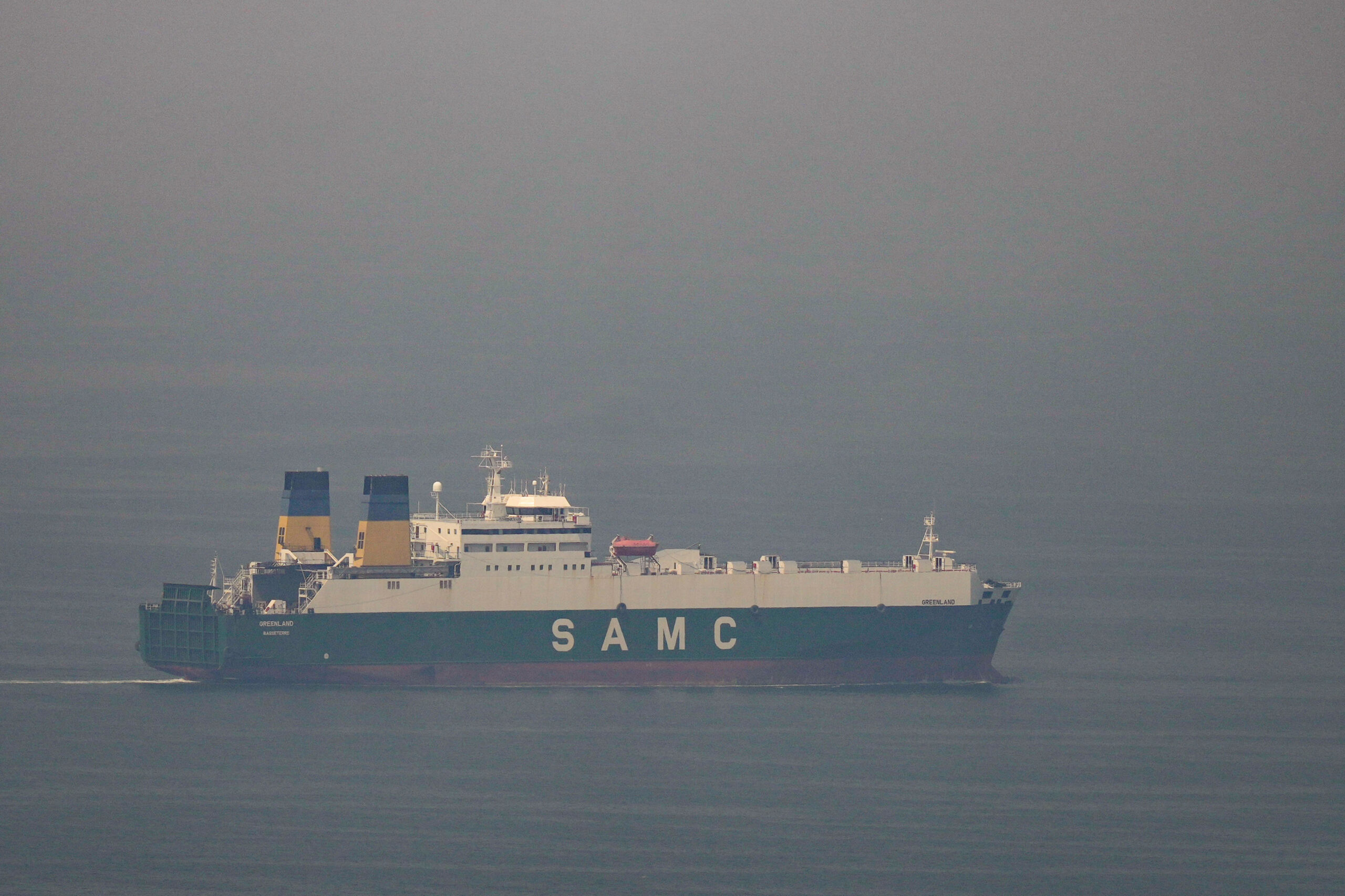
In a significant diplomatic development, American allies have shown reluctance to respond positively to President Donald Trump‘s appeal for military support in the Strait of Hormuz. The request comes amid escalating tensions in the region, particularly with Iran, which threatens a vital maritime oil route. Despite the critical nature of the situation, several key nations have either hesitated or outright declined to commit naval assets.
Allies’ Responses to Military Request
Australia has taken a definitive stance, confirming that it will not be sending naval support to the region. Catherine King, the Cabinet Minister, stated in an interview with ABC that while acknowledging the waterway’s importance, Australia has not received a formal request for military deployment. “We won’t be sending a ship to the Strait of Hormuz. We know how incredibly important that is, but that’s not something that we’ve been asked or that we’re contributing to,” King remarked.
Similarly, Japan has expressed caution regarding its military involvement. During a recent address to the Japanese parliament, Prime Minister Sanae Takaichi indicated that Tokyo has not yet made any commitments to deploy naval assets to escort vessels in the Middle East. “We have not made any decisions whatsoever about dispatching escort ships. We are continuing to examine what Japan can do independently and what can be done within the legal framework,” Takaichi explained, as reported by Reuters.
Other nations are still in the process of deliberation. For instance, South Korea has communicated that it is currently engaged in discussions with Washington. The South Korean presidential office emphasized that any military action would follow a thorough and careful review of the situation.
Diplomatic Engagements and Global Implications
In London, Prime Minister Keir Starmer addressed the request with a diplomatic approach. According to statements from Downing Street, Starmer had discussions with Trump about strategies to reopen the Strait and mitigate “global shipping disruptions.” Additionally, Starmer coordinated with Canadian Prime Minister Mark Carney, agreeing to continue talks regarding the crisis in the Middle East during a scheduled meeting on Monday.
Trump articulated his push for international intervention while speaking to reporters aboard Air Force One. He emphasized the necessity for nations that are heavily reliant on Middle Eastern crude to participate in securing the waterway, which is responsible for transporting approximately 20% of the world’s oil supply. While Trump did not specify all the countries he was addressing, he insisted that these nations should take responsibility for protecting “their own territory.” He notably pointed out that the United States is less dependent on the Strait compared to other global powers.
China was highlighted as a significant stakeholder, given its reliance on oil sourced through the Strait of Hormuz. Nonetheless, Trump did not confirm whether China would consider joining any potential international coalition.
Despite the strategic significance of the Strait and Trump’s public appeals for support, no concrete military commitments have been established. As the situation unfolds, global oil prices continue to rise, intensifying the urgency for a coordinated response.

Albert Camus’ Insightful Quote on Human Identity Resurfaces

Drone Strikes and Missile Attacks Disrupt UAE Amid Rising Tensions

Japanese Yen Rises Sharply Against US Dollar Ahead of Key Decisions

Priyanka Chopra and Nick Jonas Avoid Near Miss en Route to Oscars

Gujarat Vaccinates Over 11 Lakh Infants in Major Health Drive

Alexandre Singh Wins Oscar, Celebrates Immigrant Heritage

Lok Sabha Speaker Issues Warning Over Placards in Parliament

Global Electrosurgical Devices Market Expands to $10.2 Billion by 2034

North Zone Dominates Cricket; SJAM-1 Shines in Table Tennis

SBI Announces QIP Floor Price at ₹811.05 Per Share

Cept Unveils ₹3.1 Crore Urban Mobility Plan for Sustainable Growth

Comparing Subscription Prices: Spotify, Apple Music, and YouTube Music in India

New Blood Group Discovered in South Indian Woman at Rotary Centre

Konkani Cultural Organisation to Host Pearl Jubilee in Abu Dhabi

Torrential Rains Cause Flash Flooding in New York and New Jersey

Nothing Headphone 1 Review: A Bold Contender in Audio Design

Indian Stock Market Rebounds: Sensex and Nifty Rise After Four-Day Decline

Air India Crash Investigation Highlights Boeing Fuel Switch Concerns
-
 World1 year ago
SBI Announces QIP Floor Price at ₹811.05 Per Share
-
 Lifestyle1 year ago
Cept Unveils ₹3.1 Crore Urban Mobility Plan for Sustainable Growth
-
 Science12 months ago
Comparing Subscription Prices: Spotify, Apple Music, and YouTube Music in India
-
 Science12 months ago
New Blood Group Discovered in South Indian Woman at Rotary Centre
-
 Top Stories1 year ago
Konkani Cultural Organisation to Host Pearl Jubilee in Abu Dhabi
-
 World1 year ago
Torrential Rains Cause Flash Flooding in New York and New Jersey
-
 Science1 year ago
Nothing Headphone 1 Review: A Bold Contender in Audio Design
-
 Business1 year ago
Indian Stock Market Rebounds: Sensex and Nifty Rise After Four-Day Decline
-
 Top Stories1 year ago
Air India Crash Investigation Highlights Boeing Fuel Switch Concerns
-

 Sports12 months ago
Broad Advocates for Bowling Change Ahead of Final Test Against India
-

 Sports12 months ago
Cristian Totti Retires at 19: Pressure of Fame Takes Toll
-

 Politics1 year ago
Abandoned Doberman Finds New Home After Journey to Prague