
Lifestyle
Netanyahu Announces Trump as Recipient of Israel Prize

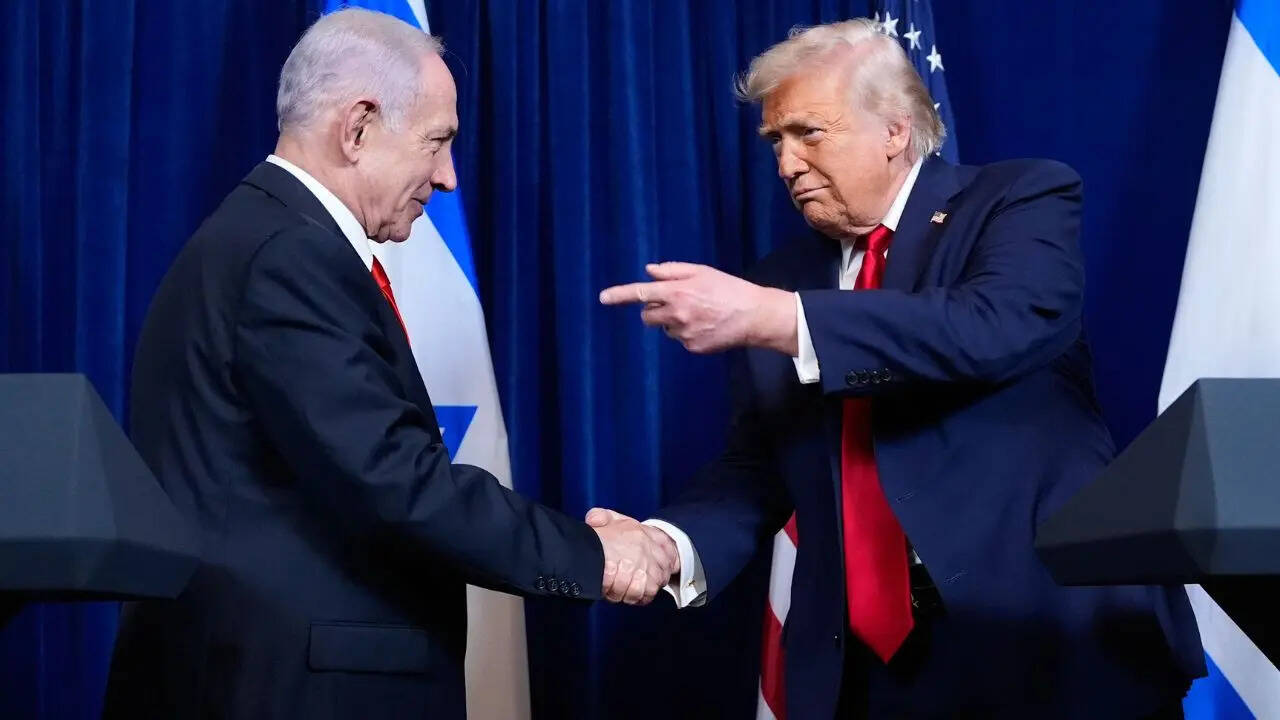
Israeli Prime Minister Benjamin Netanyahu announced on December 29, 2025, that Donald Trump, the current President of the United States, will receive the Israel Prize, the country’s highest civilian honour. This decision, revealed during a meeting between Netanyahu and Trump, marks a significant departure from the award’s traditional criteria.
During their discussion, Yoav Kisch, Israel’s Minister of Education, informed Trump of the decision. In response, Trump indicated that he would “consider attending the ceremony,” which traditionally occurs on the eve of Israel’s Independence Day.
Breaking with Tradition
The Israel Prize is typically reserved for Israeli citizens or long-term residents. According to the regulations published on the Ministry of Education’s website, candidates generally must either be citizens of Israel or have resided in the country for at least three years prior to their nomination. Clause 13 of the prize’s regulations states: “The candidate or candidates will be citizens of the State of Israel, residents of the country for the last three years prior to the nomination.”
Netanyahu acknowledged the unusual nature of this award, indicating that this is the first time in nearly 80 years that the Israel Prize will be conferred upon a non-Israeli. “We decided to break a convention too, or create a new one, and that is to award the Israel Prize… to President Trump,” he stated.
While Trump does not meet the standard eligibility criteria, the award can be granted in special cases for “a special contribution to the Jewish people.” This exception is expected to be cited as a justification for conferring the prize upon Trump.
Limited Precedent for Non-Israelis
Historically, only a handful of non-Israeli citizens have received the Israel Prize. Notably, Indian conductor Zubin Mehta was awarded the honour in 1991 for his extensive work with the Israel Philharmonic Orchestra.
In July 2025, Kisch amended the eligibility rules to allow consideration of Diaspora Jews for the prize. This change faced criticism from former officials and academics who argued that it diluted the award’s significance in recognising the contributions of Israeli citizens.
As the announcement unfolds, the implications of awarding the Israel Prize to Trump continue to be debated, reflecting broader discussions about national identity and recognition within Israeli society.

Albert Camus’ Insightful Quote on Human Identity Resurfaces

Drone Strikes and Missile Attacks Disrupt UAE Amid Rising Tensions

Japanese Yen Rises Sharply Against US Dollar Ahead of Key Decisions

Priyanka Chopra and Nick Jonas Avoid Near Miss en Route to Oscars

Gujarat Vaccinates Over 11 Lakh Infants in Major Health Drive

Alexandre Singh Wins Oscar, Celebrates Immigrant Heritage

Lok Sabha Speaker Issues Warning Over Placards in Parliament

Global Electrosurgical Devices Market Expands to $10.2 Billion by 2034

North Zone Dominates Cricket; SJAM-1 Shines in Table Tennis

SBI Announces QIP Floor Price at ₹811.05 Per Share

Cept Unveils ₹3.1 Crore Urban Mobility Plan for Sustainable Growth

Comparing Subscription Prices: Spotify, Apple Music, and YouTube Music in India

New Blood Group Discovered in South Indian Woman at Rotary Centre

Konkani Cultural Organisation to Host Pearl Jubilee in Abu Dhabi

Torrential Rains Cause Flash Flooding in New York and New Jersey

Nothing Headphone 1 Review: A Bold Contender in Audio Design

Air India Crash Investigation Highlights Boeing Fuel Switch Concerns

Broad Advocates for Bowling Change Ahead of Final Test Against India
-
 World1 year ago
SBI Announces QIP Floor Price at ₹811.05 Per Share
-
 Lifestyle1 year ago
Cept Unveils ₹3.1 Crore Urban Mobility Plan for Sustainable Growth
-
 Science1 year ago
Comparing Subscription Prices: Spotify, Apple Music, and YouTube Music in India
-
 Science1 year ago
New Blood Group Discovered in South Indian Woman at Rotary Centre
-
 Top Stories1 year ago
Konkani Cultural Organisation to Host Pearl Jubilee in Abu Dhabi
-
 World1 year ago
Torrential Rains Cause Flash Flooding in New York and New Jersey
-
 Science1 year ago
Nothing Headphone 1 Review: A Bold Contender in Audio Design
-
 Top Stories1 year ago
Air India Crash Investigation Highlights Boeing Fuel Switch Concerns
-
 Sports1 year ago
Broad Advocates for Bowling Change Ahead of Final Test Against India
-

 Business1 year ago
Indian Stock Market Rebounds: Sensex and Nifty Rise After Four-Day Decline
-

 Sports1 year ago
Cristian Totti Retires at 19: Pressure of Fame Takes Toll
-

 Politics1 year ago
Abandoned Doberman Finds New Home After Journey to Prague