
Health
Discover How Chia Seeds Enhance Gut Health and Wellness

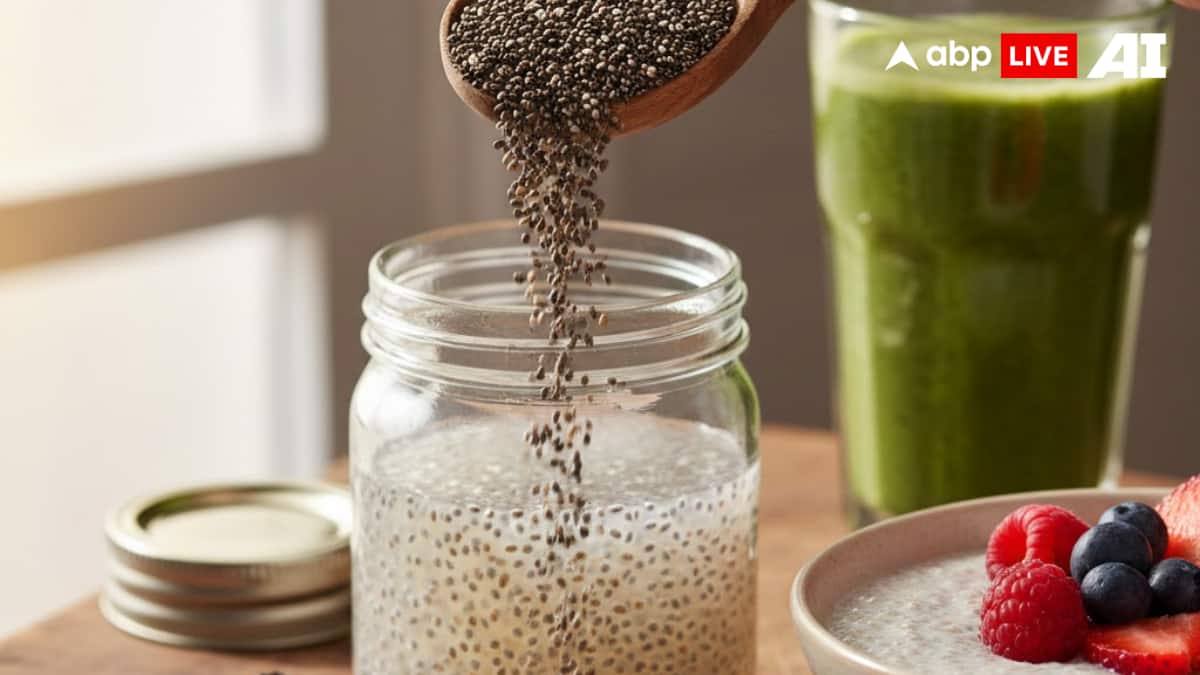
Chia seeds have gained recognition as a powerful superfood, celebrated for their numerous health benefits, particularly in promoting gut health and overall wellness. These small black and white seeds are nutrient-dense, containing a rich supply of dietary fibre, omega-3 fatty acids, antioxidants, and plant-based protein. Their potential to support digestion and enhance general health has attracted significant attention from nutritionists and health enthusiasts alike.
The Role of Dietary Fibre in Digestive Health
Chia seeds are exceptionally high in dietary fibre, with nearly 10 grams present in just two tablespoons. Most of this fibre is soluble, which means it absorbs water and forms a gel-like substance in the digestive tract. This process slows digestion, allowing for better nutrient absorption and promoting regular bowel movements. Incorporating soaked chia seeds into meals, such as smoothies, yogurt, or overnight oats, offers an effortless way to boost daily fibre intake without major dietary changes. Over time, this consistent consumption can help regulate bowel movements and alleviate bloating, making digestion more comfortable.
Acting as Natural Prebiotics
The balance of beneficial bacteria in the gut is crucial for maintaining digestive health. Chia seeds serve as a natural prebiotic, nourishing these good bacteria. When these microbes thrive, they enhance digestion, improve nutrient absorption, and fortify the immune system. The fermentable fibre found in chia seeds promotes the production of short-chain fatty acids in the colon, which help reduce inflammation and bolster the gut lining. A well-fed microbiome can lower the risk of digestive disorders and help manage symptoms such as irregular bowel movements.
Blood Sugar Regulation and Metabolic Health
One of the remarkable advantages of chia seeds is their ability to help regulate blood sugar levels. The soluble fibre slows the digestion of carbohydrates and the absorption of sugars, preventing sudden spikes in glucose. Maintaining stable blood sugar is essential for consistent energy levels, reducing cravings, and avoiding overeating. For those focused on metabolic health, incorporating chia seeds into meals can improve insulin sensitivity over time. Their gel-forming property makes them an ideal addition to carbohydrate-rich dishes, helping to mitigate the glycaemic response.
Heart and Brain Health Benefits
Chia seeds are among the best plant-based sources of omega-3 fatty acids, particularly alpha-linolenic acid (ALA). These healthy fats are known for their role in supporting cardiovascular health by reducing inflammation and promoting healthy cholesterol levels. A well-functioning digestive system enhances nutrient absorption, while omega-3 fatty acids further protect cells from oxidative stress. Regular consumption of chia seeds may contribute to improved brain function, better mood regulation, and a lower risk of chronic diseases. As a vegetarian-friendly source of omega-3s, chia seeds are an excellent alternative to fish.
Weight Management Support
Chia seeds can assist in weight management due to their ability to expand significantly when soaked, promoting a prolonged feeling of fullness. This satiety effect can reduce unnecessary snacking and help control portion sizes naturally. The combination of fibre, protein, and healthy fats works together to curb appetite while supporting balanced digestion. When digestion operates efficiently and blood sugar is stable, cravings diminish and energy levels remain steady. Incorporating chia seeds into breakfast may help regulate hunger throughout the day, making them a beneficial component of a sustainable weight management strategy.
Antioxidants and Inflammation Reduction
Chronic inflammation can have detrimental effects on digestion, immunity, and overall health. Chia seeds are rich in antioxidants, which help neutralize free radicals and reduce oxidative stress in the body. By lowering inflammation, these antioxidants contribute to a healthier gut lining, enhancing nutrient absorption. A well-protected digestive system is better equipped to defend against harmful pathogens and environmental stressors. Regular inclusion of antioxidant-rich foods like chia seeds supports long-term disease prevention and improved cellular health.
Detoxification and Hydration Benefits
When soaked, chia seeds form a hydrating gel that aids the body’s natural detoxification processes. Adequate hydration is essential for flushing out waste and maintaining smooth digestive movement. The fibre content in chia seeds assists in binding waste materials for elimination. This process helps maintain internal balance and may alleviate feelings of sluggishness. Chia water, made by soaking seeds in water with a splash of lemon, has gained popularity as a morning wellness ritual.
Incorporating chia seeds into a daily diet presents a simple yet effective strategy for enhancing gut health and overall wellness. Their rich nutritional profile provides multiple benefits, from improved digestion to better metabolic health, making them a valuable addition to any nutrition plan.
Disclaimer: The information provided in this article is intended for general informational purposes only. It is not a substitute for professional medical advice, diagnosis, or treatment. Always seek the advice of a physician or other qualified healthcare provider with any questions regarding a medical condition.

Albert Camus’ Insightful Quote on Human Identity Resurfaces

Drone Strikes and Missile Attacks Disrupt UAE Amid Rising Tensions

Japanese Yen Rises Sharply Against US Dollar Ahead of Key Decisions

Priyanka Chopra and Nick Jonas Avoid Near Miss en Route to Oscars

Gujarat Vaccinates Over 11 Lakh Infants in Major Health Drive

Alexandre Singh Wins Oscar, Celebrates Immigrant Heritage

Lok Sabha Speaker Issues Warning Over Placards in Parliament

Global Electrosurgical Devices Market Expands to $10.2 Billion by 2034

North Zone Dominates Cricket; SJAM-1 Shines in Table Tennis

SBI Announces QIP Floor Price at ₹811.05 Per Share

Cept Unveils ₹3.1 Crore Urban Mobility Plan for Sustainable Growth

New Blood Group Discovered in South Indian Woman at Rotary Centre

Konkani Cultural Organisation to Host Pearl Jubilee in Abu Dhabi

Torrential Rains Cause Flash Flooding in New York and New Jersey

Nothing Headphone 1 Review: A Bold Contender in Audio Design

Indian Stock Market Rebounds: Sensex and Nifty Rise After Four-Day Decline

Air India Crash Investigation Highlights Boeing Fuel Switch Concerns

Broad Advocates for Bowling Change Ahead of Final Test Against India
-
 World12 months ago
SBI Announces QIP Floor Price at ₹811.05 Per Share
-
 Lifestyle12 months ago
Cept Unveils ₹3.1 Crore Urban Mobility Plan for Sustainable Growth
-
 Science12 months ago
New Blood Group Discovered in South Indian Woman at Rotary Centre
-
 Top Stories12 months ago
Konkani Cultural Organisation to Host Pearl Jubilee in Abu Dhabi
-
 World12 months ago
Torrential Rains Cause Flash Flooding in New York and New Jersey
-
 Science12 months ago
Nothing Headphone 1 Review: A Bold Contender in Audio Design
-
 Business12 months ago
Indian Stock Market Rebounds: Sensex and Nifty Rise After Four-Day Decline
-
 Top Stories12 months ago
Air India Crash Investigation Highlights Boeing Fuel Switch Concerns
-
 Sports12 months ago
Broad Advocates for Bowling Change Ahead of Final Test Against India
-

 Sports12 months ago
Cristian Totti Retires at 19: Pressure of Fame Takes Toll
-

 Politics12 months ago
Abandoned Doberman Finds New Home After Journey to Prague
-

 Lifestyle12 months ago
Villagers Unite to Raise ₹45 Lakh for Water Solutions in Vadgam