
Health
Comprehensive Study Reveals 94.5% Survival Rate for Childhood Cancer in India

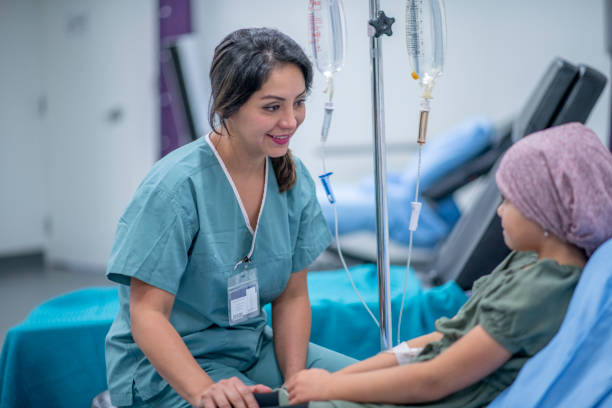
A recent comprehensive study conducted in India has revealed a remarkable 94.5% overall survival rate for children who have successfully completed treatment for cancer. The findings, released on the eve of International Childhood Cancer Day, highlight the importance of addressing not just survival but also the long-term challenges faced by these young patients.
Study Overview and Key Findings
The Indian Childhood Cancer Survivorship study, spearheaded by the Indian Paediatric Haematology Oncology Group, tracked over 5,400 children across major cities including Delhi, Mumbai, Chennai, Kolkata, and Bengaluru. It was initiated in 2016 and has published findings in The Lancet Regional Health – Southeast Asia. The data spans from 2016 to 2024, offering a robust overview of the survival landscape for childhood cancer in India.
The preliminary results indicate a high success rate, with an event-free survival rate of 89.9%. Notably, two years post-treatment, the survival rate increases to 98.2%. As per follow-up data reviewed in December 2024, 92% of the children were alive and in remission, showcasing the efficacy of current treatment protocols.
Treatment Insights and Medical Interventions
Among the cancers diagnosed, leukemia accounted for 41%, making it the most common type within this cohort. Other cancers included Hodgkin lymphoma, bone tumors, and retinoblastoma. Treatment modalities primarily involved chemotherapy, with approximately 25% of patients receiving radiotherapy. Moreover, around one-third underwent surgical interventions, and over half required blood transfusions, underscoring the complexity of care required for these young patients.
Despite these encouraging survival statistics, Dr. Rachna Seth, who leads the oncology division at AIIMS, New Delhi, emphasized the need to address the long-term effects experienced by survivors. She pointed out that many may face challenges such as fertility issues, cardiac dysfunction, cognitive difficulties, and the risk of secondary cancers. “It is crucial that these late effects are systematically documented,” Dr. Seth stated, highlighting a significant gap in understanding the post-treatment landscape in India.
The study has expanded its reach, now including data from 35 to 36 medical centers, which enhances the reliability of the findings. The median follow-up period from diagnosis is approximately 3.9 years. Notably, the study reported a 5.7% relapse rate, while 4.9% of children did not survive through the follow-up phase, reflecting the ongoing challenges in childhood cancer treatment.
This comprehensive analysis marks a critical advancement in understanding the long-term outcomes for children treated for cancer in India. By focusing on survivorship, the research aims to foster improved healthcare strategies and support systems for young patients and their families, paving the way for a more informed approach to childhood cancer care in the region.

Albert Camus’ Insightful Quote on Human Identity Resurfaces

Drone Strikes and Missile Attacks Disrupt UAE Amid Rising Tensions

Japanese Yen Rises Sharply Against US Dollar Ahead of Key Decisions

Priyanka Chopra and Nick Jonas Avoid Near Miss en Route to Oscars

Gujarat Vaccinates Over 11 Lakh Infants in Major Health Drive

Alexandre Singh Wins Oscar, Celebrates Immigrant Heritage

Lok Sabha Speaker Issues Warning Over Placards in Parliament

Global Electrosurgical Devices Market Expands to $10.2 Billion by 2034

North Zone Dominates Cricket; SJAM-1 Shines in Table Tennis

SBI Announces QIP Floor Price at ₹811.05 Per Share

Cept Unveils ₹3.1 Crore Urban Mobility Plan for Sustainable Growth

New Blood Group Discovered in South Indian Woman at Rotary Centre

Konkani Cultural Organisation to Host Pearl Jubilee in Abu Dhabi

Torrential Rains Cause Flash Flooding in New York and New Jersey

Nothing Headphone 1 Review: A Bold Contender in Audio Design

Indian Stock Market Rebounds: Sensex and Nifty Rise After Four-Day Decline

Air India Crash Investigation Highlights Boeing Fuel Switch Concerns

Broad Advocates for Bowling Change Ahead of Final Test Against India
-
 World12 months ago
SBI Announces QIP Floor Price at ₹811.05 Per Share
-
 Lifestyle12 months ago
Cept Unveils ₹3.1 Crore Urban Mobility Plan for Sustainable Growth
-
 Science12 months ago
New Blood Group Discovered in South Indian Woman at Rotary Centre
-
 Top Stories12 months ago
Konkani Cultural Organisation to Host Pearl Jubilee in Abu Dhabi
-
 World12 months ago
Torrential Rains Cause Flash Flooding in New York and New Jersey
-
 Science12 months ago
Nothing Headphone 1 Review: A Bold Contender in Audio Design
-
 Business12 months ago
Indian Stock Market Rebounds: Sensex and Nifty Rise After Four-Day Decline
-
 Top Stories12 months ago
Air India Crash Investigation Highlights Boeing Fuel Switch Concerns
-
 Sports12 months ago
Broad Advocates for Bowling Change Ahead of Final Test Against India
-

 Sports12 months ago
Cristian Totti Retires at 19: Pressure of Fame Takes Toll
-

 Politics12 months ago
Abandoned Doberman Finds New Home After Journey to Prague
-
 Lifestyle12 months ago
Villagers Unite to Raise ₹45 Lakh for Water Solutions in Vadgam