
Health
Beans Take Center Stage in Culinary Innovation and Nutrition

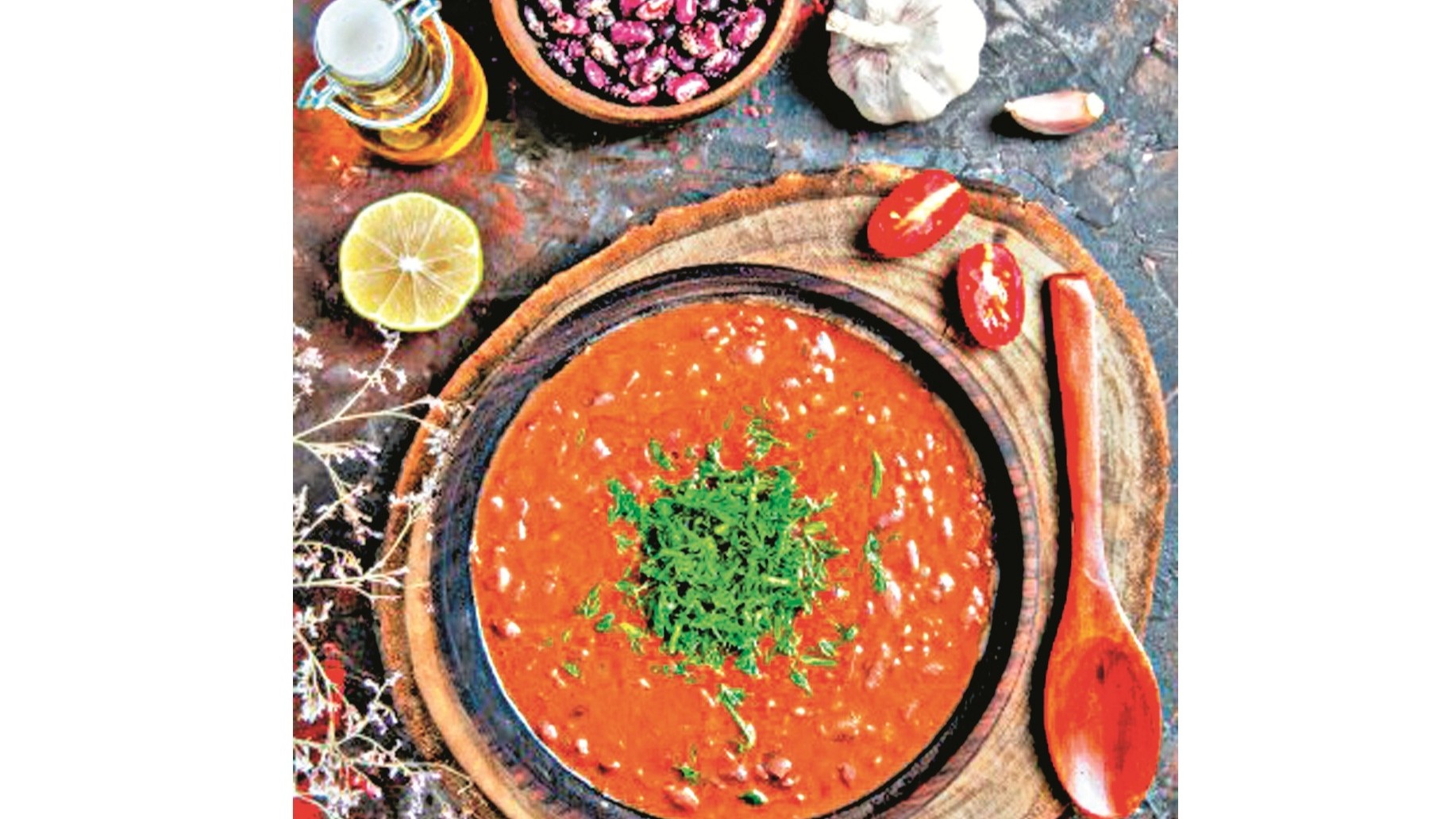
As plant-based diets gain momentum globally, beans are transitioning from kitchen staples to culinary stars. Their nutritional value and versatility are making them increasingly popular among health-conscious consumers and innovative chefs. With a diverse array of varieties available, beans are being embraced in both home cooking and fine dining establishments.
Embracing Beans: A Nutritional Powerhouse
Beans, whether fresh or dried, offer a wealth of health benefits. According to V Malathi, Consultant in Nutrition and Dietetics at Rainbow Children’s Hospital in Marathahalli, beans are an excellent source of plant-based protein. They are particularly valuable for vegetarians and vegans, contributing to muscle growth and tissue repair. Beans contain dietary fibre, which supports digestion and helps maintain a healthy colon.
The low glycaemic index of beans makes them a suitable choice for individuals with diabetes. They are also rich in vital vitamins and minerals, including iron, folate, magnesium, and potassium. These nutrients assist in red blood cell formation, nerve functioning, and metabolism. Malathi emphasizes the importance of soaking dried beans for four to six hours before cooking to reduce anti-nutrients and the risk of bloating. Complementary spices such as cumin, hing, ginger, or fennel can enhance digestion.
Culinary Versatility Across Cultures
In India, beans are deeply embedded in culinary traditions. From rajma in the Himalayan region to chickpeas and black-eyed peas in various states, each region boasts unique preparations that highlight local flavors. Chef Ravinder Kumar, Executive Chef at Karma Lakelands, points out that beans play a crucial role in household nutrition, offering affordability and shelf stability.
Beans can be found in countless recipes, whether cooked with vegetables like bottle gourd or spinach in regional dishes, or incorporated into curries alongside fish in coastal cuisines. Food blogger Mamatha Jayaram from Bangalore notes that beans are adaptable, appearing in both savoury and sweet dishes. She highlights traditional recipes such as dal, sweets like moong dal payasam, and festive desserts, showcasing the ingredient’s versatility.
Globally, chefs are reimagining beans in innovative ways. Chef Ashish Singh, COO and Culinary Director at Café Delhi Heights, explains that fine dining establishments are transforming beans into smooth purées and sauces. They are paired with various proteins and vegetables, allowing beans to become a focal point on the plate rather than a mere accompaniment.
Creative uses for beans extend to Mediterranean and Latin American cuisines, where they are often paired with grilled vegetables or meats. In addition, beans can be used in baked dishes, such as casseroles and dips, with chickpea water (aquafaba) serving as an egg white substitute in vegan recipes.
As bean consumption continues to rise, the culinary landscape is evolving. Chefs are experimenting with bold flavors, incorporating Indian spices, fresh Mediterranean herbs, and umami-rich sauces to elevate the humble bean into gourmet creations.
In summary, beans are not just nutritious; they are also a culinary canvas that invites creativity. From everyday meals to gourmet dishes, their adaptability and health benefits are making them a staple in kitchens worldwide. As more people embrace plant-based eating, the humble bean is set to play an even larger role in global cuisine.

Albert Camus’ Insightful Quote on Human Identity Resurfaces

Drone Strikes and Missile Attacks Disrupt UAE Amid Rising Tensions

Japanese Yen Rises Sharply Against US Dollar Ahead of Key Decisions

Priyanka Chopra and Nick Jonas Avoid Near Miss en Route to Oscars

Gujarat Vaccinates Over 11 Lakh Infants in Major Health Drive

Alexandre Singh Wins Oscar, Celebrates Immigrant Heritage

Lok Sabha Speaker Issues Warning Over Placards in Parliament

Global Electrosurgical Devices Market Expands to $10.2 Billion by 2034

North Zone Dominates Cricket; SJAM-1 Shines in Table Tennis

SBI Announces QIP Floor Price at ₹811.05 Per Share

Cept Unveils ₹3.1 Crore Urban Mobility Plan for Sustainable Growth

New Blood Group Discovered in South Indian Woman at Rotary Centre

Konkani Cultural Organisation to Host Pearl Jubilee in Abu Dhabi

Torrential Rains Cause Flash Flooding in New York and New Jersey

Nothing Headphone 1 Review: A Bold Contender in Audio Design

Indian Stock Market Rebounds: Sensex and Nifty Rise After Four-Day Decline

Air India Crash Investigation Highlights Boeing Fuel Switch Concerns

Broad Advocates for Bowling Change Ahead of Final Test Against India
-
 World12 months ago
SBI Announces QIP Floor Price at ₹811.05 Per Share
-
 Lifestyle12 months ago
Cept Unveils ₹3.1 Crore Urban Mobility Plan for Sustainable Growth
-
 Science11 months ago
New Blood Group Discovered in South Indian Woman at Rotary Centre
-
 Top Stories12 months ago
Konkani Cultural Organisation to Host Pearl Jubilee in Abu Dhabi
-
 World12 months ago
Torrential Rains Cause Flash Flooding in New York and New Jersey
-
 Science12 months ago
Nothing Headphone 1 Review: A Bold Contender in Audio Design
-
 Business12 months ago
Indian Stock Market Rebounds: Sensex and Nifty Rise After Four-Day Decline
-
 Top Stories12 months ago
Air India Crash Investigation Highlights Boeing Fuel Switch Concerns
-
 Sports11 months ago
Broad Advocates for Bowling Change Ahead of Final Test Against India
-

 Sports11 months ago
Cristian Totti Retires at 19: Pressure of Fame Takes Toll
-

 Politics12 months ago
Abandoned Doberman Finds New Home After Journey to Prague
-

 Lifestyle12 months ago
Villagers Unite to Raise ₹45 Lakh for Water Solutions in Vadgam