
Politics
U.S. Launches Naval Strikes as Tensions with Iran Escalate

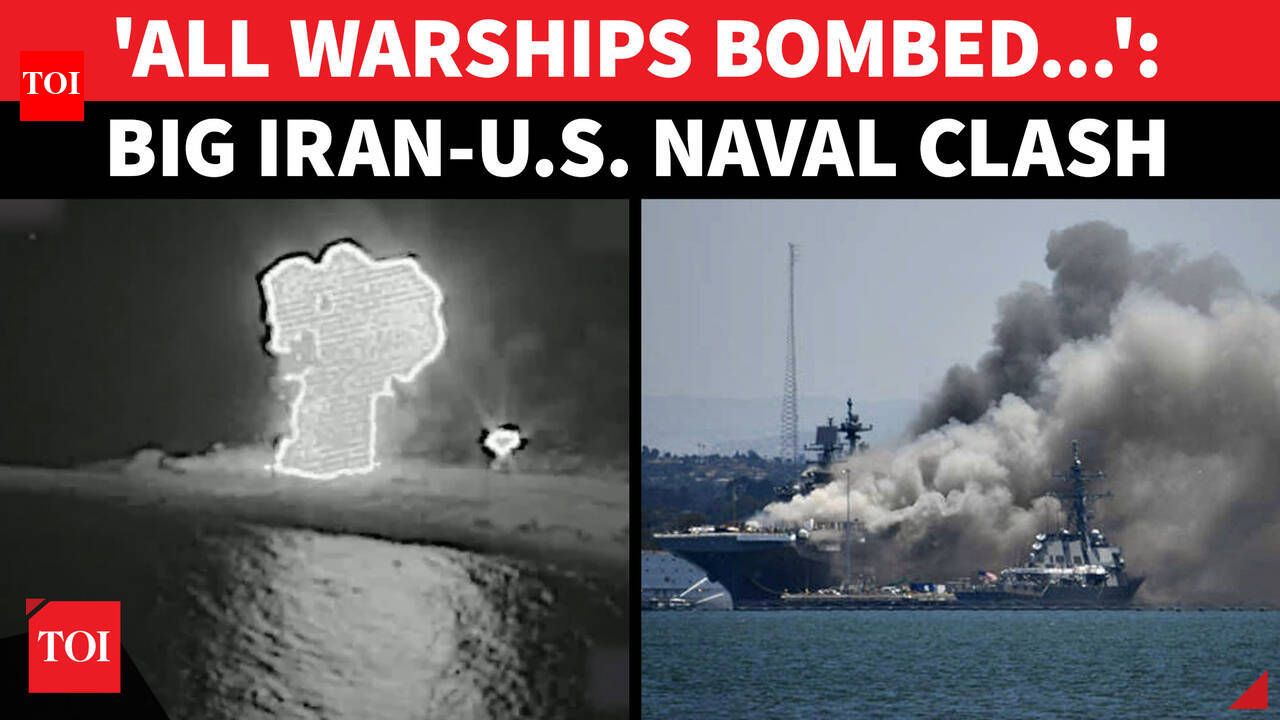
American forces have initiated significant naval strikes against Iranian warships in the Gulf of Oman. This operation represents an escalation in U.S. military actions aimed at countering Tehran’s maritime capabilities. The U.S. Central Command (CENTCOM) has indicated that several Iranian vessels have been sunk or damaged in these recent confrontations, marking one of the most direct naval engagements between the U.S. and Iran in decades.
The situation in the region has intensified, with cross-region strikes and counter-strikes creating a volatile atmosphere. This escalation is further exemplified by an Iran-linked drone strike that targeted an area near U.S. personnel in Manama. The series of military actions highlights the growing tensions between the two nations, which have seen deteriorating relations over various geopolitical issues.
U.S. Response and Regional Implications
In response to the escalating conflict, the U.S. State Department has issued urgent advisories for American citizens in Iran and the surrounding region. These warnings reflect the increasing risks associated with travel and the potential for further military actions. The advisory emphasizes the need for Americans to remain vigilant and reassess their security measures while in the area.
The escalating tensions have not only affected military operations but have also raised concerns about the safety of maritime navigation in the Gulf of Oman. The region is a critical shipping route, and any disruption could have significant implications for global trade and energy supplies. Analysts are closely monitoring developments, as the potential for further confrontations remains high.
The military engagements come amid a backdrop of longstanding animosity between the U.S. and Iran, with both nations having accused each other of provocations. The U.S. has maintained a naval presence in the region to protect its interests and allies, while Iran has sought to assert its influence through various means, including military capabilities.
Future Outlook
As the situation continues to unfold, the international community is watching closely. Diplomatic efforts may be necessary to de-escalate the conflict, but the recent military actions suggest that both sides are prepared to assert their positions more aggressively. The potential for broader regional instability remains a concern, with implications not only for U.S.-Iran relations but also for other stakeholders in the Gulf region.
With the stakes rising, it is clear that the U.S. and Iran are entering a critical phase in their ongoing confrontation. The outcome of these military engagements could shape the future dynamics of power and influence in the area, impacting not just the immediate actors but the broader geopolitical landscape as well.

Albert Camus’ Insightful Quote on Human Identity Resurfaces

Drone Strikes and Missile Attacks Disrupt UAE Amid Rising Tensions

Japanese Yen Rises Sharply Against US Dollar Ahead of Key Decisions

Priyanka Chopra and Nick Jonas Avoid Near Miss en Route to Oscars

Gujarat Vaccinates Over 11 Lakh Infants in Major Health Drive

Alexandre Singh Wins Oscar, Celebrates Immigrant Heritage

Lok Sabha Speaker Issues Warning Over Placards in Parliament

Global Electrosurgical Devices Market Expands to $10.2 Billion by 2034

North Zone Dominates Cricket; SJAM-1 Shines in Table Tennis

SBI Announces QIP Floor Price at ₹811.05 Per Share

Cept Unveils ₹3.1 Crore Urban Mobility Plan for Sustainable Growth

New Blood Group Discovered in South Indian Woman at Rotary Centre

Konkani Cultural Organisation to Host Pearl Jubilee in Abu Dhabi

Torrential Rains Cause Flash Flooding in New York and New Jersey

Nothing Headphone 1 Review: A Bold Contender in Audio Design

Air India Crash Investigation Highlights Boeing Fuel Switch Concerns

Indian Stock Market Rebounds: Sensex and Nifty Rise After Four-Day Decline

Broad Advocates for Bowling Change Ahead of Final Test Against India
-
 World1 year ago
SBI Announces QIP Floor Price at ₹811.05 Per Share
-
 Lifestyle1 year ago
Cept Unveils ₹3.1 Crore Urban Mobility Plan for Sustainable Growth
-
 Science12 months ago
New Blood Group Discovered in South Indian Woman at Rotary Centre
-
 Top Stories1 year ago
Konkani Cultural Organisation to Host Pearl Jubilee in Abu Dhabi
-
 World1 year ago
Torrential Rains Cause Flash Flooding in New York and New Jersey
-
 Science1 year ago
Nothing Headphone 1 Review: A Bold Contender in Audio Design
-
 Top Stories1 year ago
Air India Crash Investigation Highlights Boeing Fuel Switch Concerns
-
 Business1 year ago
Indian Stock Market Rebounds: Sensex and Nifty Rise After Four-Day Decline
-
 Sports12 months ago
Broad Advocates for Bowling Change Ahead of Final Test Against India
-

 Sports12 months ago
Cristian Totti Retires at 19: Pressure of Fame Takes Toll
-

 Politics12 months ago
Abandoned Doberman Finds New Home After Journey to Prague
-
 Lifestyle1 year ago
Villagers Unite to Raise ₹45 Lakh for Water Solutions in Vadgam