
Health
India Faces H3N2 Influenza Surge Amid Toxic Air Crisis

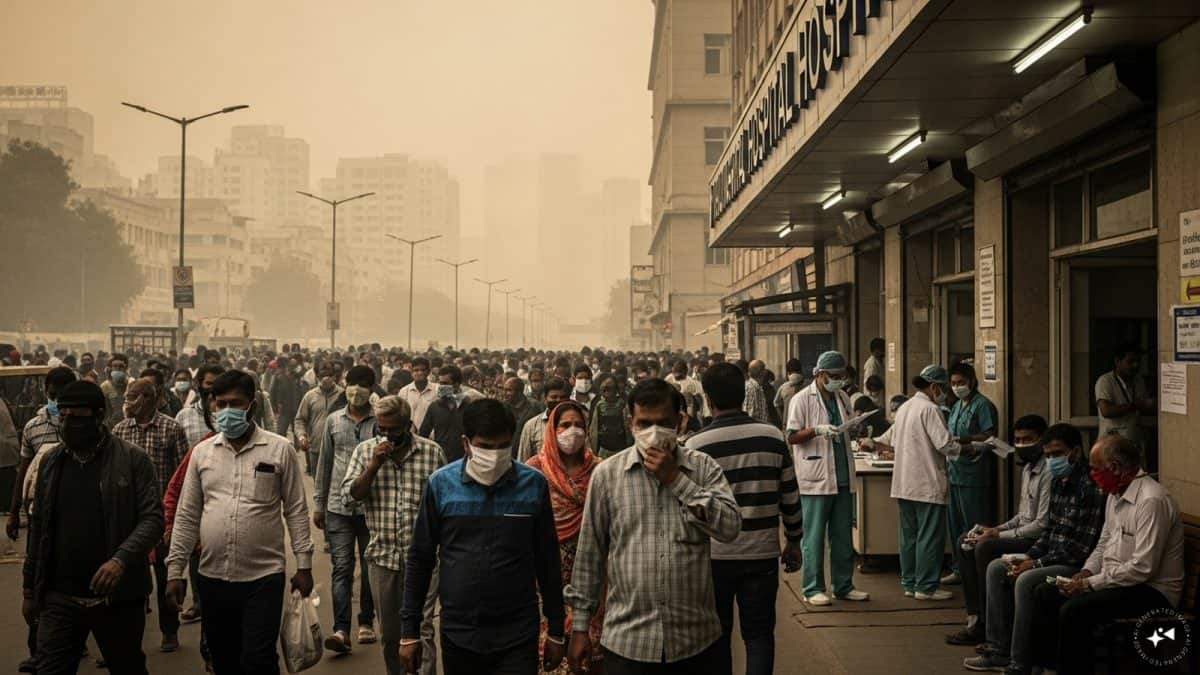
India is experiencing a significant surge in H3N2 influenza cases this winter, placing unprecedented pressure on its healthcare system. The increase coincides with high levels of air pollution in major states, particularly in urban areas. According to data from the Indian Council of Medical Research (ICMR), positivity rates for influenza have climbed sharply since late September, reaching between 12% to 13% by November. This rate is considerably higher than typical for the seasonal flu cycle.
The current wave of H3N2 influenza is attributed not only to colder weather but also to a combination of environmental factors, gaps in immunity following the Covid-19 pandemic, low vaccination rates for influenza, and ongoing exposure to hazardous air pollutants. The World Health Organisation (WHO) has consistently warned that long-term exposure to fine particulate matter, such as PM2.5, can compromise respiratory defenses, increasing susceptibility to viral infections and resulting in more severe outcomes.
Impact of Pollution on Health Outcomes
In densely populated areas like the Delhi-NCR region, healthcare providers are witnessing an influx of patients with symptoms including prolonged cough, breathlessness, and chest congestion. These symptoms often complicate the diagnosis, as they may stem from either air pollution or viral infections.
Public health experts, including Dr Neetu Jain, a Senior Consultant in Pulmonology at PSRI Hospital, emphasize that this year’s influenza outbreak is particularly severe due to several factors. “Beyond the usual seasonal temperature drops, we are seeing an increase in influenza cases driven by poor air quality, increased indoor socialisation, reduced immune response from prior Covid exposure, and lower-than-normal flu vaccination rates,” Dr Jain explained.
The combination of these elements leads to heightened susceptibility and accelerates virus transmission. “Severe pollution can irritate the respiratory tract, making the lungs more vulnerable during H3N2 infections,” she added. Consequently, patients often experience intensified symptoms, with complications such as bronchitis and pneumonia requiring hospitalization more frequently.
Symptoms and Recommendations for High-Risk Individuals
The current H3N2 wave is characterized by symptoms lasting beyond the typical duration, with many individuals reporting severe fatigue and respiratory distress. Dr Jain noted that, “In polluted areas, we observe prolonged recovery times, persistent coughs, and increased rates of secondary infections.” Patients in these regions often remain symptomatic for weeks, with pneumonia and severe bronchitis occurring more frequently than in areas with better air quality.
Vaccination against influenza is deemed critical at this juncture. Dr Jain recommends that high-risk individuals avoid polluted environments, wear N95 masks outdoors, maintain good indoor air quality, stay hydrated, and seek immediate medical attention if symptoms worsen.
States such as Kerala, Delhi, Maharashtra, Tamil Nadu, Gujarat, and Puducherry are currently reporting some of the highest case numbers. The combination of high population density, mobility, varying levels of pollution, and relatively low influenza vaccination coverage in these regions facilitates rapid community spread.
Dr Jain urges individuals with sudden high fever, persistent cough, or increasing breathlessness to seek care promptly. For high-risk patients, early consultation with a healthcare provider for antiviral treatment is essential, especially in cases of rapid deterioration, dehydration, or difficulty breathing.
As hospitals work to manage the situation, the need for expanded flu screening, improved triage systems, adequate antiviral supplies, and enhanced diagnostic capabilities has never been more urgent. Dr Jain highlights the importance of strong referral pathways and stricter infection control measures to mitigate the impact of this health crisis.

Albert Camus’ Insightful Quote on Human Identity Resurfaces

Drone Strikes and Missile Attacks Disrupt UAE Amid Rising Tensions

Japanese Yen Rises Sharply Against US Dollar Ahead of Key Decisions

Priyanka Chopra and Nick Jonas Avoid Near Miss en Route to Oscars

Gujarat Vaccinates Over 11 Lakh Infants in Major Health Drive

Alexandre Singh Wins Oscar, Celebrates Immigrant Heritage

Lok Sabha Speaker Issues Warning Over Placards in Parliament

Global Electrosurgical Devices Market Expands to $10.2 Billion by 2034

North Zone Dominates Cricket; SJAM-1 Shines in Table Tennis

SBI Announces QIP Floor Price at ₹811.05 Per Share

Cept Unveils ₹3.1 Crore Urban Mobility Plan for Sustainable Growth

New Blood Group Discovered in South Indian Woman at Rotary Centre

Konkani Cultural Organisation to Host Pearl Jubilee in Abu Dhabi

Torrential Rains Cause Flash Flooding in New York and New Jersey

Nothing Headphone 1 Review: A Bold Contender in Audio Design

Indian Stock Market Rebounds: Sensex and Nifty Rise After Four-Day Decline

Air India Crash Investigation Highlights Boeing Fuel Switch Concerns

Broad Advocates for Bowling Change Ahead of Final Test Against India
-
 World12 months ago
SBI Announces QIP Floor Price at ₹811.05 Per Share
-
 Lifestyle12 months ago
Cept Unveils ₹3.1 Crore Urban Mobility Plan for Sustainable Growth
-
 Science12 months ago
New Blood Group Discovered in South Indian Woman at Rotary Centre
-
 Top Stories12 months ago
Konkani Cultural Organisation to Host Pearl Jubilee in Abu Dhabi
-
 World12 months ago
Torrential Rains Cause Flash Flooding in New York and New Jersey
-
 Science12 months ago
Nothing Headphone 1 Review: A Bold Contender in Audio Design
-
 Business12 months ago
Indian Stock Market Rebounds: Sensex and Nifty Rise After Four-Day Decline
-
 Top Stories12 months ago
Air India Crash Investigation Highlights Boeing Fuel Switch Concerns
-
 Sports12 months ago
Broad Advocates for Bowling Change Ahead of Final Test Against India
-

 Sports12 months ago
Cristian Totti Retires at 19: Pressure of Fame Takes Toll
-

 Politics12 months ago
Abandoned Doberman Finds New Home After Journey to Prague
-
 Lifestyle12 months ago
Villagers Unite to Raise ₹45 Lakh for Water Solutions in Vadgam