
World
US-Iran Relations: From Cold War Allies to Military Confrontation

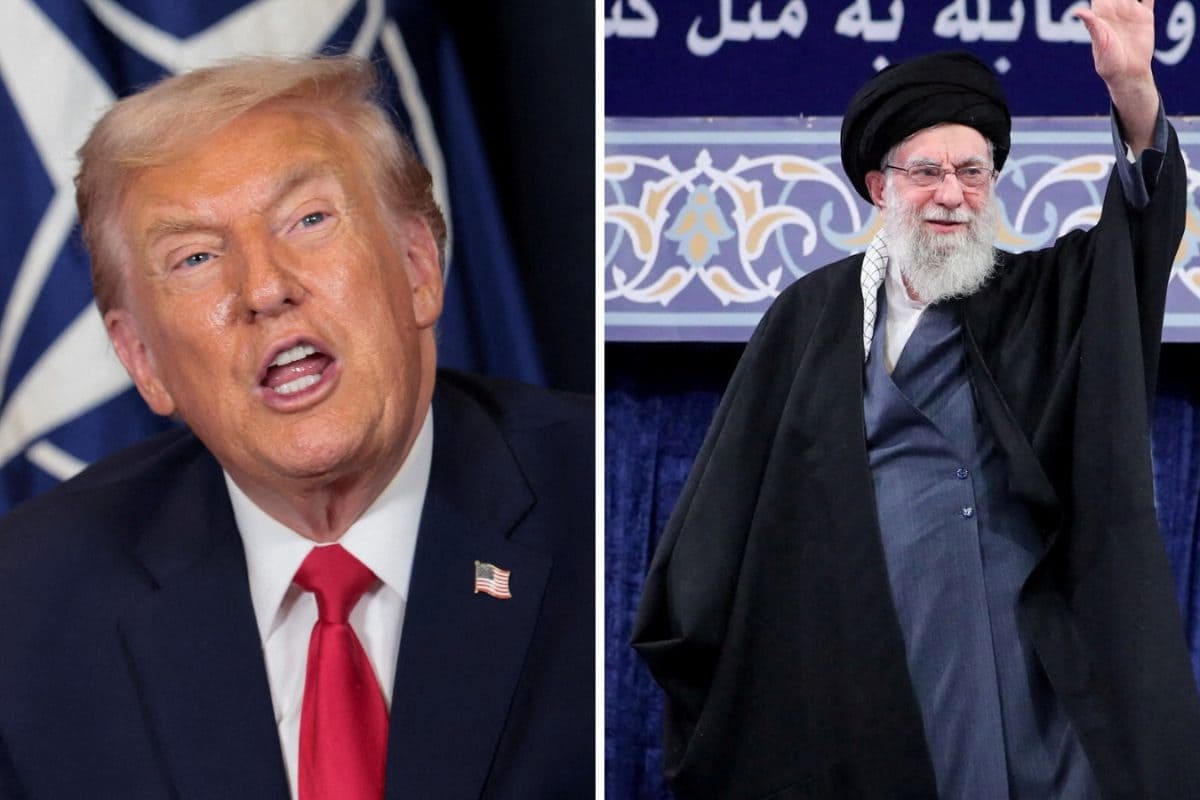
Tensions between the United States and Iran have escalated dramatically, culminating in the recent military operation known as Operation Midnight Hammer. Launched in June 2025, this operation targeted Iran’s nuclear facilities, specifically the Fordow and Natanz sites. The current standoff stems from a complex historical relationship that has shifted from a period of alliance to one characterized by deep-seated animosity.
The origins of this fraught relationship can be traced back to the 1953 CIA-backed coup that reinstated the Shah of Iran, Mohammad Reza Pahlavi, as an absolute monarch. This event marked the beginning of a strategic partnership between Iran and the US, which included the establishment of the Atoms for Peace program aimed at promoting nuclear energy for peaceful purposes. However, this partnership crumbled following the 1979 Islamic Revolution, which ousted the Shah and established an Islamic Republic. The subsequent hostage crisis at the US Embassy in Tehran, where 52 Americans were held for 444 days, severed diplomatic ties between the two countries.
The 1980s saw the emergence of direct military confrontations, including the 1988 Operation Praying Mantis, during which the US Navy destroyed nearly half of Iran’s operational naval fleet in retaliation for a naval mine incident. This conflict marked a turning point, setting a precedent for future military engagements. In a tragic incident that year, the US Navy also mistakenly shot down Iran Air Flight 655, resulting in the deaths of 290 people.
Fast forward to the 21st century, and the situation has only become more complicated. In 2015, the US and other world powers signed the Joint Comprehensive Plan of Action (JCPOA), a landmark agreement aimed at curbing Iran’s nuclear ambitions. Nonetheless, this agreement unraveled when the US withdrew from it in 2018, initiating a “maximum pressure” campaign against Iran.
The assassination of General Qasem Soleimani in January 2020 marked another significant escalation. The head of Iran’s Quds Force was killed by a US drone strike, prompting Iran to retaliate with missile attacks on US bases in Iraq.
The latest military action, Operation Midnight Hammer, follows a series of military operations, including extensive airstrikes in February 2024 on over 85 targets across Iraq and Syria. Following a brief but intense period of conflict between Israeli and Iranian forces in June 2025, the US launched its strikes on Iranian nuclear facilities, intensifying an already volatile situation in the region.
Diplomatic efforts have been sporadic, with attempts at negotiations taking place in Geneva and Oman. However, the situation remains precarious, particularly with significant internal unrest within Iran and an increased US naval presence in the Gulf. President Donald Trump has indicated a 10-day critical window for potential negotiations, adding pressure to an already tense atmosphere.
As the world watches, the evolution of US-Iran relations serves as a stark reminder of how alliances can deteriorate into hostilities, shaped by a mix of historical grievances, military actions, and the ever-looming threat of nuclear escalation. The future of this relationship hangs in the balance as both nations navigate a complex web of military, political, and social challenges.

Albert Camus’ Insightful Quote on Human Identity Resurfaces

Drone Strikes and Missile Attacks Disrupt UAE Amid Rising Tensions

Japanese Yen Rises Sharply Against US Dollar Ahead of Key Decisions

Priyanka Chopra and Nick Jonas Avoid Near Miss en Route to Oscars

Gujarat Vaccinates Over 11 Lakh Infants in Major Health Drive

Alexandre Singh Wins Oscar, Celebrates Immigrant Heritage

Lok Sabha Speaker Issues Warning Over Placards in Parliament

Global Electrosurgical Devices Market Expands to $10.2 Billion by 2034

North Zone Dominates Cricket; SJAM-1 Shines in Table Tennis

SBI Announces QIP Floor Price at ₹811.05 Per Share

Cept Unveils ₹3.1 Crore Urban Mobility Plan for Sustainable Growth

New Blood Group Discovered in South Indian Woman at Rotary Centre

Konkani Cultural Organisation to Host Pearl Jubilee in Abu Dhabi

Torrential Rains Cause Flash Flooding in New York and New Jersey

Nothing Headphone 1 Review: A Bold Contender in Audio Design

Indian Stock Market Rebounds: Sensex and Nifty Rise After Four-Day Decline

Air India Crash Investigation Highlights Boeing Fuel Switch Concerns

Broad Advocates for Bowling Change Ahead of Final Test Against India
-
 World12 months ago
SBI Announces QIP Floor Price at ₹811.05 Per Share
-
 Lifestyle12 months ago
Cept Unveils ₹3.1 Crore Urban Mobility Plan for Sustainable Growth
-
 Science12 months ago
New Blood Group Discovered in South Indian Woman at Rotary Centre
-
 Top Stories12 months ago
Konkani Cultural Organisation to Host Pearl Jubilee in Abu Dhabi
-
 World12 months ago
Torrential Rains Cause Flash Flooding in New York and New Jersey
-
 Science12 months ago
Nothing Headphone 1 Review: A Bold Contender in Audio Design
-
 Business12 months ago
Indian Stock Market Rebounds: Sensex and Nifty Rise After Four-Day Decline
-
 Top Stories12 months ago
Air India Crash Investigation Highlights Boeing Fuel Switch Concerns
-
 Sports12 months ago
Broad Advocates for Bowling Change Ahead of Final Test Against India
-

 Sports12 months ago
Cristian Totti Retires at 19: Pressure of Fame Takes Toll
-

 Politics12 months ago
Abandoned Doberman Finds New Home After Journey to Prague
-
 Lifestyle12 months ago
Villagers Unite to Raise ₹45 Lakh for Water Solutions in Vadgam