
World
Taliban Enacts Controversial Penal Code Legalising Domestic Violence

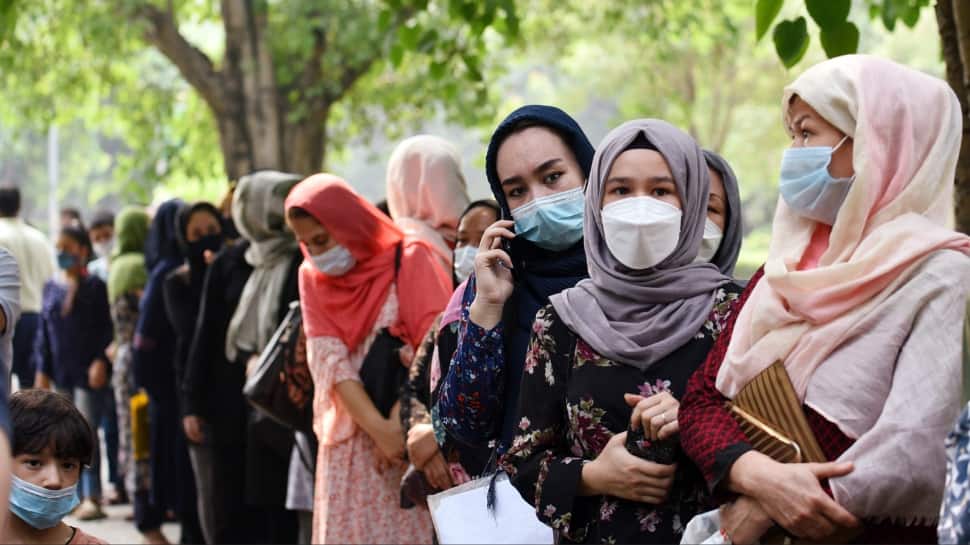
The Taliban has implemented a new penal code in Afghanistan that legalises domestic violence and introduces a strict social caste system. The 119-article document, titled De Mahakumu Jazaai Osulnama, was signed by Supreme Leader Hibatullah Akhundzada in January 2026. This move has drawn widespread condemnation from the international community, with human rights organisations expressing alarm over its implications for women’s rights.
One of the most troubling aspects of the new code permits husbands and “slave masters” to physically punish women and subordinates. According to the text, these punishments are allowable as long as they do not result in “broken bones” or “open wounds.” Even in cases of serious beatings leading to visible injuries, the maximum penalty for a husband is merely a 15-day prison sentence. This raises serious concerns about the state-sanctioned abuse of women and the inadequate legal protections available to them.
Women seeking help are placed in a precarious position, as they must present their injuries to a judge while fully veiled and accompanied by a mahram (male guardian), who is often the same abuser they are trying to report. The code also criminalises women who frequently seek refuge at their father’s home without their husband’s permission, subjecting them to a potential three-month jail sentence.
Social Caste System and Legalised Slavery
The penal code divides Afghan society into a four-tiered caste system, undermining the principle of equality before the law. The punishments for the same crime vary significantly based on an individual’s social standing:
– **Religious Scholars (Ulema)**: These individuals receive near-total immunity, facing only “advice” or a phone call for any misconduct.
– **Elites (Ashraf)**: They may receive formal warnings or court summons for their actions.
– **Middle Class**: Individuals from this group can be imprisoned for various crimes.
– **Lower Class**: They face the harshest penalties, including public flogging and corporal punishment.
Moreover, the code introduces the term “Ghulam,” which refers to slaves, and delineates the rights of “free” people versus “enslaved” individuals. This formal recognition of slavery represents a significant regression in human rights, granting “masters” broad powers to impose punishments on their subordinates.
Human rights organisations, including Rawadari and the Feminist Majority Foundation, have decried the new penal code as a “blueprint for governance through fear.” The implementation of these laws effectively overturns the 2009 Elimination of Violence Against Women (EVAW) law, which had previously offered legal protections against forced marriage and gender-based violence.
A human rights defender highlighted the severe implications of these changes: “By turning families into enforcers and women into legal dependents valued less than animals, the Taliban is not preserving culture—they are erasing it.” The enactment of this penal code signals a troubling trend in Afghanistan’s legal landscape, one that prioritises control over the welfare of its citizens, particularly women.
The international community continues to monitor developments in Afghanistan closely, as the implications of this new legislation extend far beyond national borders. As global outrage grows, the future of human rights in Afghanistan remains uncertain.

Albert Camus’ Insightful Quote on Human Identity Resurfaces

Drone Strikes and Missile Attacks Disrupt UAE Amid Rising Tensions

Japanese Yen Rises Sharply Against US Dollar Ahead of Key Decisions

Priyanka Chopra and Nick Jonas Avoid Near Miss en Route to Oscars

Gujarat Vaccinates Over 11 Lakh Infants in Major Health Drive

Alexandre Singh Wins Oscar, Celebrates Immigrant Heritage

Lok Sabha Speaker Issues Warning Over Placards in Parliament

Global Electrosurgical Devices Market Expands to $10.2 Billion by 2034

North Zone Dominates Cricket; SJAM-1 Shines in Table Tennis

SBI Announces QIP Floor Price at ₹811.05 Per Share

Cept Unveils ₹3.1 Crore Urban Mobility Plan for Sustainable Growth

Comparing Subscription Prices: Spotify, Apple Music, and YouTube Music in India

New Blood Group Discovered in South Indian Woman at Rotary Centre

Konkani Cultural Organisation to Host Pearl Jubilee in Abu Dhabi

Torrential Rains Cause Flash Flooding in New York and New Jersey

Nothing Headphone 1 Review: A Bold Contender in Audio Design

Air India Crash Investigation Highlights Boeing Fuel Switch Concerns

Broad Advocates for Bowling Change Ahead of Final Test Against India
-
 World1 year ago
SBI Announces QIP Floor Price at ₹811.05 Per Share
-
 Lifestyle1 year ago
Cept Unveils ₹3.1 Crore Urban Mobility Plan for Sustainable Growth
-
 Science1 year ago
Comparing Subscription Prices: Spotify, Apple Music, and YouTube Music in India
-
 Science1 year ago
New Blood Group Discovered in South Indian Woman at Rotary Centre
-
 Top Stories1 year ago
Konkani Cultural Organisation to Host Pearl Jubilee in Abu Dhabi
-
 World1 year ago
Torrential Rains Cause Flash Flooding in New York and New Jersey
-
 Science1 year ago
Nothing Headphone 1 Review: A Bold Contender in Audio Design
-
 Top Stories1 year ago
Air India Crash Investigation Highlights Boeing Fuel Switch Concerns
-
 Sports1 year ago
Broad Advocates for Bowling Change Ahead of Final Test Against India
-

 Business1 year ago
Indian Stock Market Rebounds: Sensex and Nifty Rise After Four-Day Decline
-

 Sports1 year ago
Cristian Totti Retires at 19: Pressure of Fame Takes Toll
-

 Politics1 year ago
Abandoned Doberman Finds New Home After Journey to Prague