
World
H-1B Visa Process Overhaul Prioritizes Skilled Workers and Higher Salaries

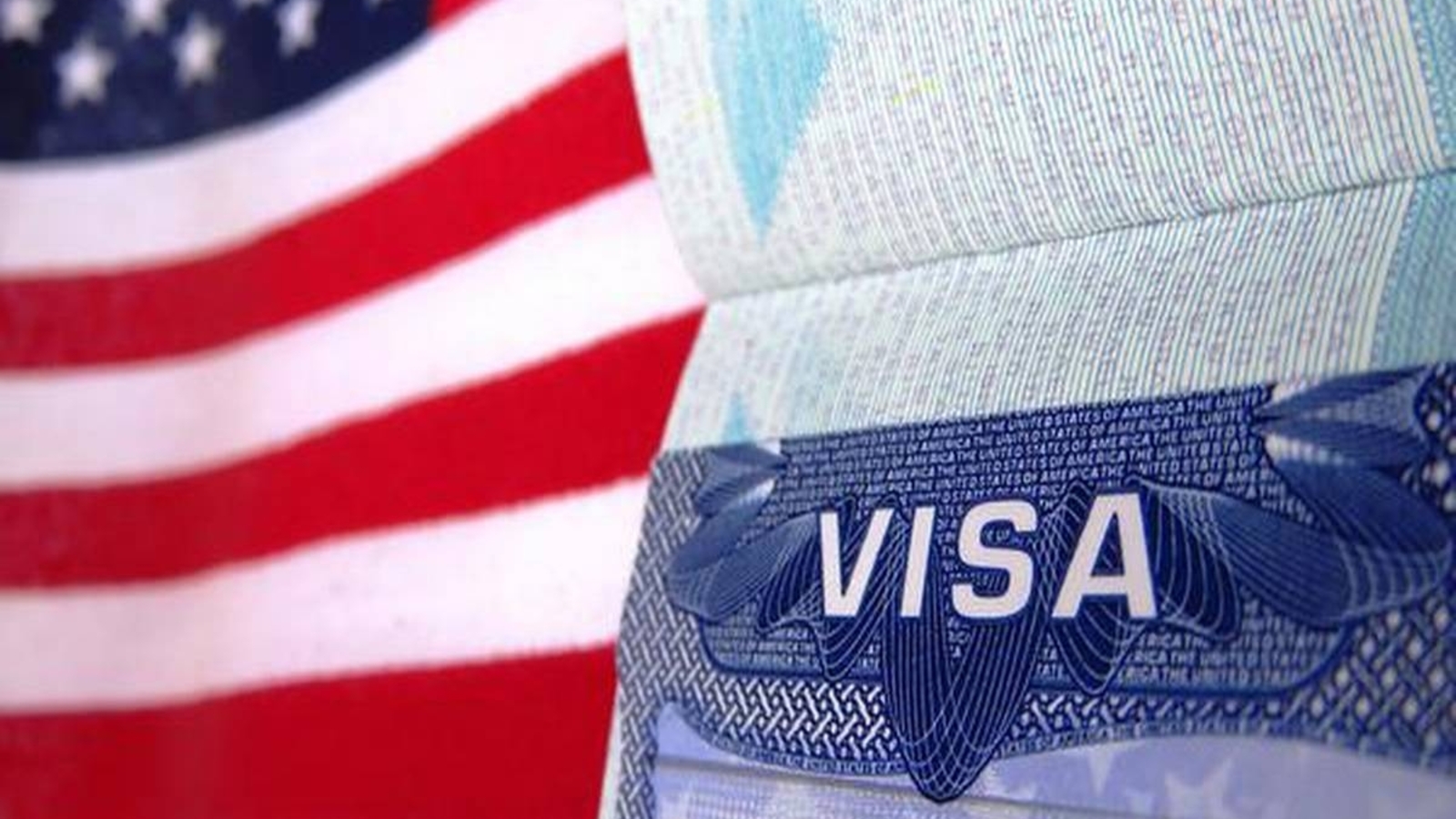
The United States will implement significant changes to the H-1B visa selection process, prioritizing applicants with higher skills and salaries starting on February 27, 2026. This change, announced by the administration of former President Donald Trump, replaces the random lottery system with a more structured approach that aims to allocate visas based on the qualifications and compensation of applicants.
The new regulations are designed to enhance the protection of wages and working conditions for American workers, while ensuring that U.S. corporations can recruit skilled foreign talent. The Department of Homeland Security (DHS) stated that the reform is part of ongoing efforts to tighten immigration regulations, particularly in relation to the H-1B visa program, which is widely used by technology and other sectors.
Details of the New Selection Process
The revised selection system will employ a weighted approach, categorizing jobs into four wage levels, as defined by the Occupational Employment and Wage Statistics survey. Level I represents entry-level positions, while Level IV pertains to senior and fully skilled roles. Under the new system, applications linked to Level IV wages will have four submissions to the selection pool, Level III will have three, Level II two, and Level I only one.
This means that while all individuals can still apply, those in higher-wage positions will have a significantly greater chance of selection. The DHS aims to encourage employers to provide better compensation for specialized skills and reduce the number of low-wage applications that had previously flooded the system.
According to the DHS, “the rule implements a weighted selection process that will favour allocating H-1B visas to higher-skilled and higher-paid aliens while maintaining the opportunity for employers to secure H-1B workers at all wage levels.”
Impact on Applicants and Employers
Currently, the U.S. government grants 65,000 H-1B visas annually, with an additional 20,000 reserved for holders of advanced degrees from U.S. institutions. The upcoming changes signify a shift away from the controversial lottery system, which many criticized as arbitrary and outdated.
While the government asserts that opportunities will still exist for applicants at all wage levels, the balance of power has clearly shifted towards those seeking higher-paying positions. Critics of the previous lottery system argued that it allowed companies to exploit the H-1B program by submitting numerous low-wage applications.
This new regulation takes effect shortly before the annual spring H-1B lottery, a critical hiring period for technology companies and other sectors reliant on skilled labor. Additionally, the Trump administration has proposed a controversial fee of $100,000 for certain H-1B workers recruited from abroad, which is currently facing legal challenges.
As these changes unfold, the landscape of the H-1B visa selection process will likely become more competitive, emphasizing the necessity for skilled applicants to demonstrate both their expertise and their value in terms of compensation. This approach not only aims to protect the interests of American workers but also seeks to align visa allocation with the actual demands of the labor market.

Albert Camus’ Insightful Quote on Human Identity Resurfaces

Drone Strikes and Missile Attacks Disrupt UAE Amid Rising Tensions

Japanese Yen Rises Sharply Against US Dollar Ahead of Key Decisions

Priyanka Chopra and Nick Jonas Avoid Near Miss en Route to Oscars

Gujarat Vaccinates Over 11 Lakh Infants in Major Health Drive

Alexandre Singh Wins Oscar, Celebrates Immigrant Heritage

Lok Sabha Speaker Issues Warning Over Placards in Parliament

Global Electrosurgical Devices Market Expands to $10.2 Billion by 2034

North Zone Dominates Cricket; SJAM-1 Shines in Table Tennis

SBI Announces QIP Floor Price at ₹811.05 Per Share

Cept Unveils ₹3.1 Crore Urban Mobility Plan for Sustainable Growth

Comparing Subscription Prices: Spotify, Apple Music, and YouTube Music in India

New Blood Group Discovered in South Indian Woman at Rotary Centre

Konkani Cultural Organisation to Host Pearl Jubilee in Abu Dhabi

Torrential Rains Cause Flash Flooding in New York and New Jersey

Nothing Headphone 1 Review: A Bold Contender in Audio Design

Broad Advocates for Bowling Change Ahead of Final Test Against India

Air India Crash Investigation Highlights Boeing Fuel Switch Concerns
-
 World1 year ago
SBI Announces QIP Floor Price at ₹811.05 Per Share
-
 Lifestyle1 year ago
Cept Unveils ₹3.1 Crore Urban Mobility Plan for Sustainable Growth
-
 Science12 months ago
Comparing Subscription Prices: Spotify, Apple Music, and YouTube Music in India
-
 Science1 year ago
New Blood Group Discovered in South Indian Woman at Rotary Centre
-
 Top Stories1 year ago
Konkani Cultural Organisation to Host Pearl Jubilee in Abu Dhabi
-
 World1 year ago
Torrential Rains Cause Flash Flooding in New York and New Jersey
-
 Science1 year ago
Nothing Headphone 1 Review: A Bold Contender in Audio Design
-
 Sports1 year ago
Broad Advocates for Bowling Change Ahead of Final Test Against India
-
 Top Stories1 year ago
Air India Crash Investigation Highlights Boeing Fuel Switch Concerns
-

 Business1 year ago
Indian Stock Market Rebounds: Sensex and Nifty Rise After Four-Day Decline
-

 Sports1 year ago
Cristian Totti Retires at 19: Pressure of Fame Takes Toll
-

 Politics1 year ago
Abandoned Doberman Finds New Home After Journey to Prague