
World
Deadly Winter Storm Disrupts US: 25 Dead, 800,000 Without Power

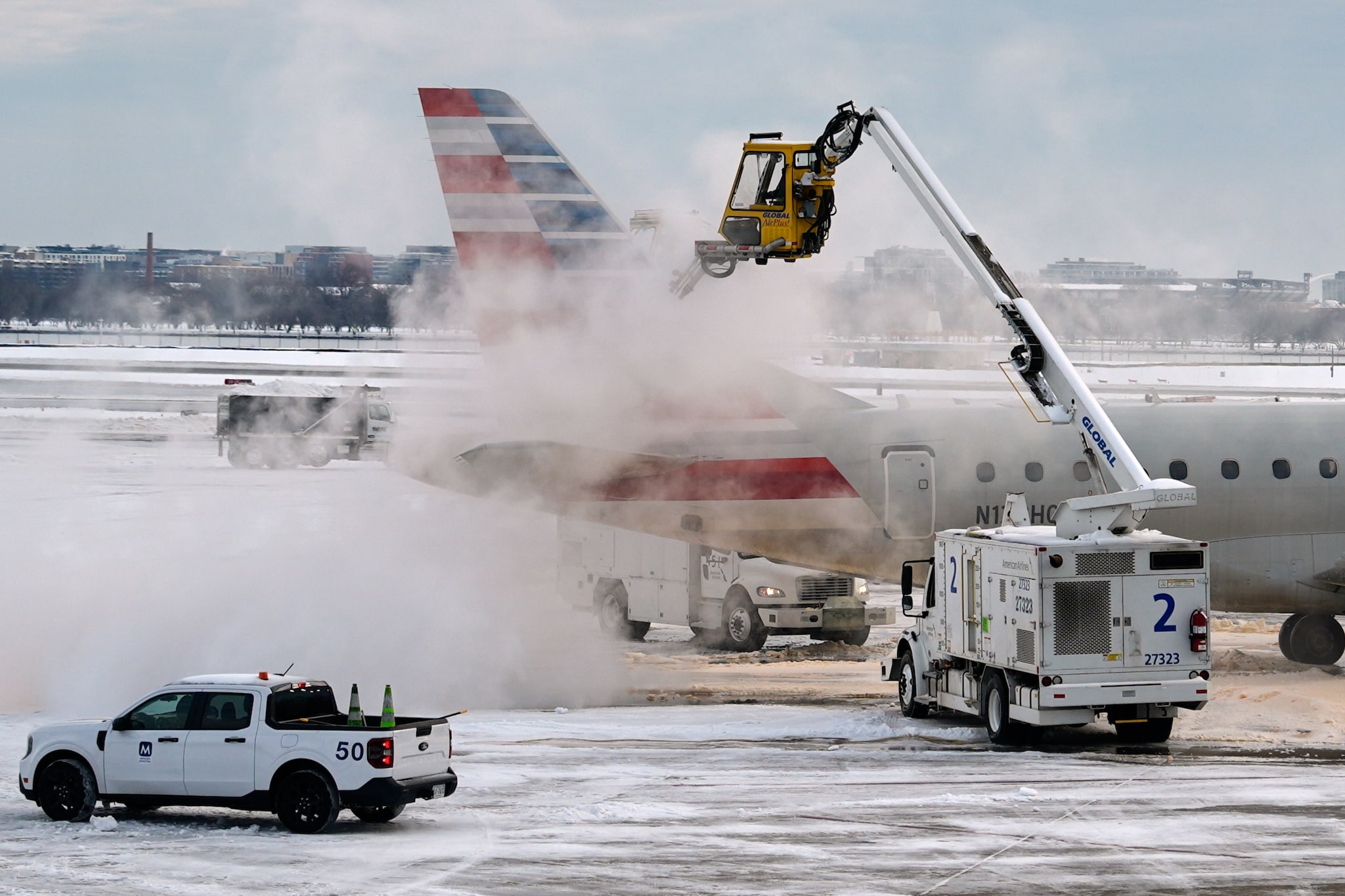
A severe winter storm sweeping across the United States has resulted in at least 25 fatalities, disrupted travel networks, and left over 800,000 residents without power. The storm, which began on January 25, 2026, unleashed heavy snow and ice from Arkansas to New England, causing widespread chaos as temperatures plunged.
The storm’s impact was felt most acutely in the southern states, where significant ice accumulation caused extensive damage. Reports indicate that Mississippi experienced its worst ice storm since 1994, affecting numerous communities. By the morning of January 26, poweroutage.com reported that the hardest-hit areas included Tennessee, Mississippi, and Louisiana, where residents faced freezing conditions and power outages.
Images shared on social media depicted a scene of devastation, with many describing their neighborhoods as resembling a “war zone.” Trees and branches buckled under the weight of ice, creating a hazardous environment. Many residents were left without heat, power, or water, intensifying the emergency situation.
Travel Chaos and Economic Fallout
The storm also wreaked havoc on air travel, leading to mass cancellations and delays across the nation. By late January 26, aviation analytics firm Cirium reported that nearly 19% of scheduled flights were cancelled. This included over 11,000 cancellations on January 25 alone, marking the highest cancellation rate since the onset of the COVID-19 pandemic. Major airports, such as Boston Logan International, experienced a staggering 71% cancellation rate, crippling travel plans for thousands.
The economic ramifications of the storm are becoming a significant concern. Preliminary estimates from AccuWeather suggest that damage and economic losses could range between $105 billion and $115 billion. While some experts have challenged this figure as excessive, the impact on the US economy is undeniable. Research economist Jacob Fooks from Colorado State University highlighted that extreme weather events like this storm can reduce annual US GDP by between 0.5% and 2%.
Continuing Cold and Recovery Efforts
As recovery efforts commenced, the National Weather Service warned that dangerously low temperatures would persist across much of the country. The Lower 48 states are expected to experience their coldest average low temperatures since 2014, prolonging the challenges faced by communities still grappling with the aftermath of the storm.
Conditions are gradually improving in some regions, but many areas remain on high alert as freezing temperatures threaten to exacerbate the situation for those without power or heating. Local authorities continue to assess the extent of the damage, while residents are urged to stay indoors and heed safety warnings.
This winter storm serves as a powerful reminder of the impact of severe weather on daily life, emphasizing the need for preparedness and resilience in the face of natural disasters.

Albert Camus’ Insightful Quote on Human Identity Resurfaces

Drone Strikes and Missile Attacks Disrupt UAE Amid Rising Tensions

Japanese Yen Rises Sharply Against US Dollar Ahead of Key Decisions

Priyanka Chopra and Nick Jonas Avoid Near Miss en Route to Oscars

Gujarat Vaccinates Over 11 Lakh Infants in Major Health Drive

Alexandre Singh Wins Oscar, Celebrates Immigrant Heritage

Lok Sabha Speaker Issues Warning Over Placards in Parliament

Global Electrosurgical Devices Market Expands to $10.2 Billion by 2034

North Zone Dominates Cricket; SJAM-1 Shines in Table Tennis

SBI Announces QIP Floor Price at ₹811.05 Per Share

Cept Unveils ₹3.1 Crore Urban Mobility Plan for Sustainable Growth

New Blood Group Discovered in South Indian Woman at Rotary Centre

Konkani Cultural Organisation to Host Pearl Jubilee in Abu Dhabi

Torrential Rains Cause Flash Flooding in New York and New Jersey

Nothing Headphone 1 Review: A Bold Contender in Audio Design

Indian Stock Market Rebounds: Sensex and Nifty Rise After Four-Day Decline

Air India Crash Investigation Highlights Boeing Fuel Switch Concerns

Broad Advocates for Bowling Change Ahead of Final Test Against India
-
 World12 months ago
SBI Announces QIP Floor Price at ₹811.05 Per Share
-
 Lifestyle12 months ago
Cept Unveils ₹3.1 Crore Urban Mobility Plan for Sustainable Growth
-
 Science12 months ago
New Blood Group Discovered in South Indian Woman at Rotary Centre
-
 Top Stories12 months ago
Konkani Cultural Organisation to Host Pearl Jubilee in Abu Dhabi
-
 World12 months ago
Torrential Rains Cause Flash Flooding in New York and New Jersey
-
 Science12 months ago
Nothing Headphone 1 Review: A Bold Contender in Audio Design
-
 Business12 months ago
Indian Stock Market Rebounds: Sensex and Nifty Rise After Four-Day Decline
-
 Top Stories12 months ago
Air India Crash Investigation Highlights Boeing Fuel Switch Concerns
-
 Sports12 months ago
Broad Advocates for Bowling Change Ahead of Final Test Against India
-

 Sports12 months ago
Cristian Totti Retires at 19: Pressure of Fame Takes Toll
-

 Politics12 months ago
Abandoned Doberman Finds New Home After Journey to Prague
-

 Lifestyle12 months ago
Villagers Unite to Raise ₹45 Lakh for Water Solutions in Vadgam