
Top Stories
Sachin Pilot Critiques US Waiver for Indian Russian Oil Purchases

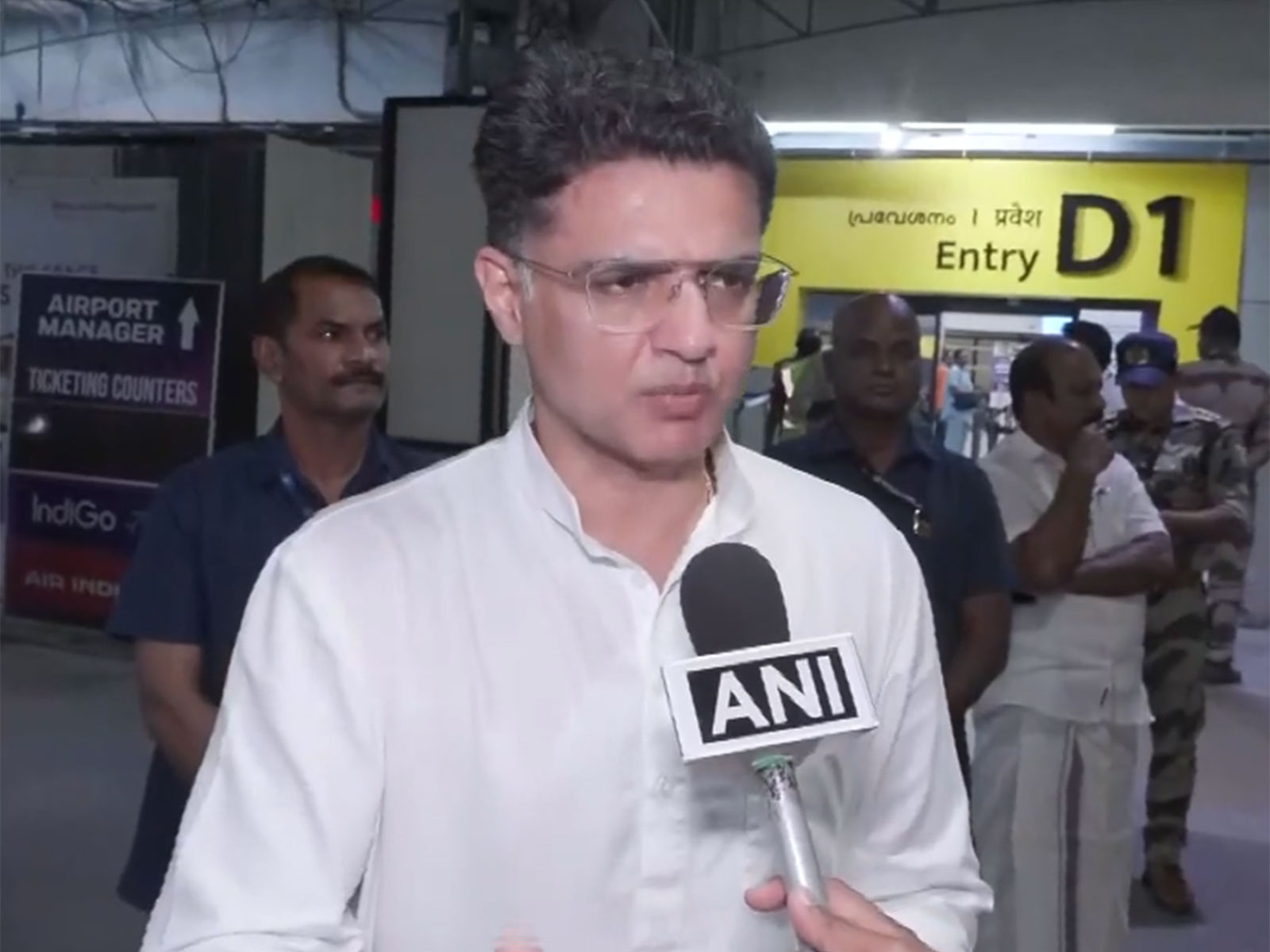
Indian politician Sachin Pilot has expressed strong concerns regarding the recent waiver issued by the United States, which permits India to buy Russian oil for a limited period. This waiver, effective from March 5 to April 4, 2024, allows Indian refiners to acquire stranded Russian crude amidst ongoing disruptions in global oil supply due to the situation in West Asia.
Speaking to ANI in Thiruvanathapuram, Kerala, Pilot emphasized that India’s energy and economic security should remain independent of external influences. He stated, “In the last 75 years, no matter who has been in power in New Delhi, India, as a sovereign state, has always maintained a very clear, non-partisan position in the world. Our energy security and our economic security are sacrosanct.”
Concerns Over External Influence
Pilot criticized the US government’s decision to impose conditions on India’s energy purchases, marking a significant shift in diplomatic relations. He noted, “For the first time, the US government is mandating to India what it can and cannot buy – who to buy oil from and who not to buy oil from.” He described the waiver as a favor, asserting that such agreements should arise from mutual consent rather than external imposition.
He further expressed concern that the interests of local farmers in India, particularly those involved in cotton, soybean, and corn production, might be negatively impacted by this arrangement. The political ramifications of this waiver have sparked a broader debate across India, with diverse perspectives emerging from different political entities.
Political Reactions and Implications
The ruling party, Bharatiya Janata Party (BJP), has characterized the waiver as a diplomatic success that secures India’s energy needs during challenging times. In contrast, the opposition party, Indian National Congress, has criticized the move, arguing that India should maintain autonomy in its energy decisions without needing approval from foreign governments.
As discussions continue, India’s approach to energy security and foreign policy remains a focal point in the political landscape, highlighting the delicate balance between national interests and international relations. The outcome of this waiver and its implications for India’s energy strategy may influence future negotiations and partnerships on the global stage.

Albert Camus’ Insightful Quote on Human Identity Resurfaces

Drone Strikes and Missile Attacks Disrupt UAE Amid Rising Tensions

Japanese Yen Rises Sharply Against US Dollar Ahead of Key Decisions

Priyanka Chopra and Nick Jonas Avoid Near Miss en Route to Oscars

Gujarat Vaccinates Over 11 Lakh Infants in Major Health Drive

Alexandre Singh Wins Oscar, Celebrates Immigrant Heritage

Lok Sabha Speaker Issues Warning Over Placards in Parliament

Global Electrosurgical Devices Market Expands to $10.2 Billion by 2034

North Zone Dominates Cricket; SJAM-1 Shines in Table Tennis

SBI Announces QIP Floor Price at ₹811.05 Per Share

Cept Unveils ₹3.1 Crore Urban Mobility Plan for Sustainable Growth

Comparing Subscription Prices: Spotify, Apple Music, and YouTube Music in India

New Blood Group Discovered in South Indian Woman at Rotary Centre

Konkani Cultural Organisation to Host Pearl Jubilee in Abu Dhabi

Torrential Rains Cause Flash Flooding in New York and New Jersey

Nothing Headphone 1 Review: A Bold Contender in Audio Design

Air India Crash Investigation Highlights Boeing Fuel Switch Concerns

Broad Advocates for Bowling Change Ahead of Final Test Against India
-
 World1 year ago
SBI Announces QIP Floor Price at ₹811.05 Per Share
-
 Lifestyle1 year ago
Cept Unveils ₹3.1 Crore Urban Mobility Plan for Sustainable Growth
-
 Science1 year ago
Comparing Subscription Prices: Spotify, Apple Music, and YouTube Music in India
-
 Science1 year ago
New Blood Group Discovered in South Indian Woman at Rotary Centre
-
 Top Stories1 year ago
Konkani Cultural Organisation to Host Pearl Jubilee in Abu Dhabi
-
 World1 year ago
Torrential Rains Cause Flash Flooding in New York and New Jersey
-
 Science1 year ago
Nothing Headphone 1 Review: A Bold Contender in Audio Design
-
 Top Stories1 year ago
Air India Crash Investigation Highlights Boeing Fuel Switch Concerns
-
 Sports1 year ago
Broad Advocates for Bowling Change Ahead of Final Test Against India
-

 Business1 year ago
Indian Stock Market Rebounds: Sensex and Nifty Rise After Four-Day Decline
-

 Sports1 year ago
Cristian Totti Retires at 19: Pressure of Fame Takes Toll
-

 Politics1 year ago
Abandoned Doberman Finds New Home After Journey to Prague