
Sports
Strengthen Your Core with These Five Reverse Plank Variations

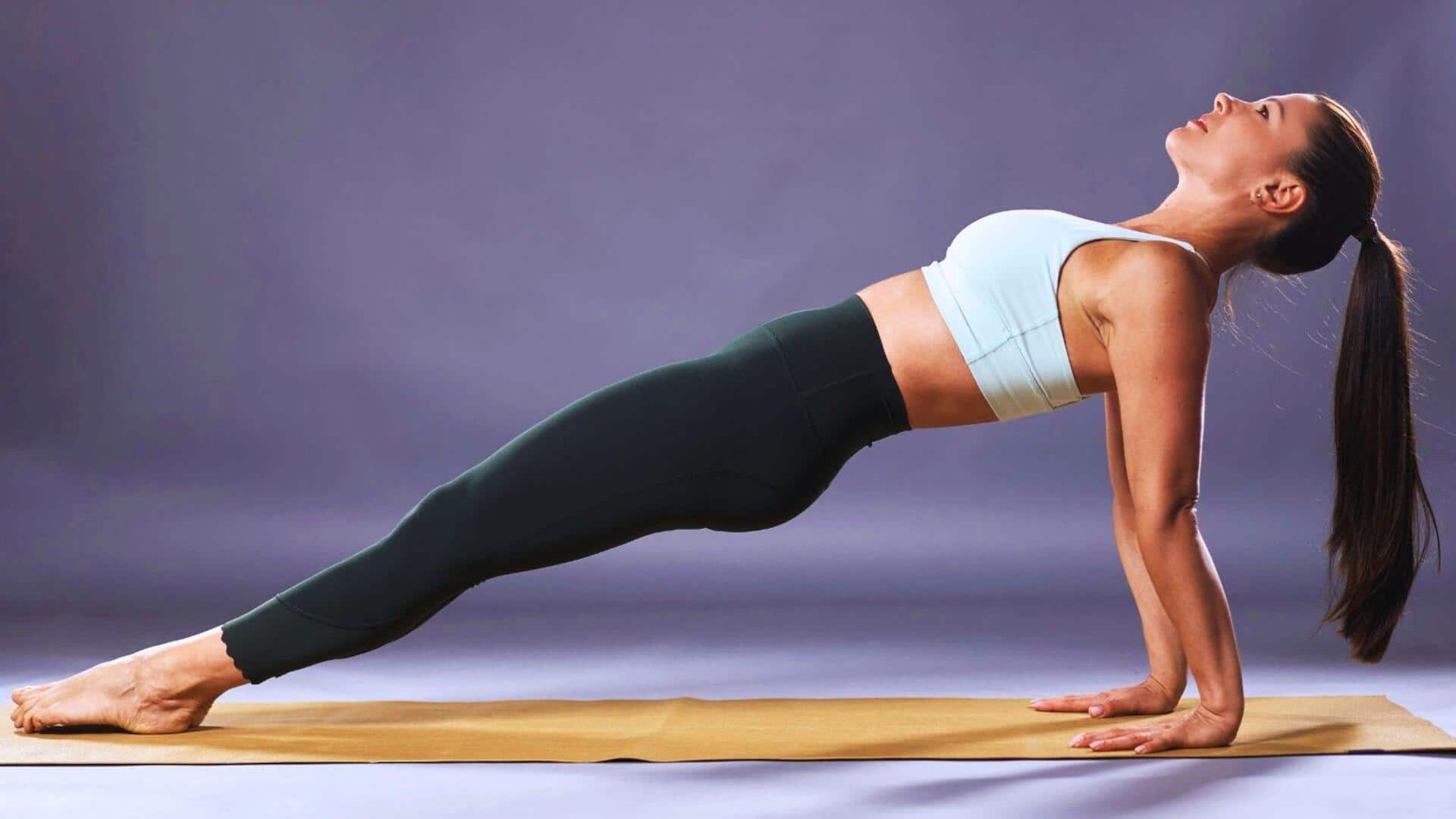
The reverse plank is gaining recognition as an effective exercise for building core strength, particularly beneficial for beginners. This exercise not only targets the core but also engages the back, glutes, and shoulders, enhancing overall posture and stability. By incorporating variations of the reverse plank, individuals can increase workout effectiveness, challenge different muscle groups, and elevate their fitness levels.
Standard Reverse Plank: The Foundation
The standard reverse plank is the simplest form of this exercise. In this position, individuals lie face-up with their hands and feet on the ground, lifting their bodies into a straight line. This basic variation emphasizes maintaining proper form and balance, providing a solid foundation for core strength.
Beginners should aim to hold the standard reverse plank for approximately 20-30 seconds, gradually increasing the duration as they build strength. This exercise significantly strengthens the entire core while also working the arms and legs.
Elevated Reverse Plank: Increasing Intensity
For those looking to intensify their workout, the elevated reverse plank presents an excellent option. By placing the feet on a bench or step while keeping the hands on the ground, this variation introduces an element of elevation. This adjustment not only increases the difficulty but also enhances balance challenges, engaging the hip flexors more than the standard version.
Beginners should start with an initial hold of 15-25 seconds in the elevated reverse plank, focusing on form and stability.
Another dynamic variation involves adding leg lifts to the reverse plank. While maintaining the standard reverse plank position, individuals lift one leg at a time without compromising form. This adjustment engages more muscle groups simultaneously, improving coordination while effectively strengthening both the lower back and glutes.
For those ready to take their practice further, the single-leg reverse plank offers a more advanced challenge. In this variation, only one leg remains on the ground at any time, significantly increasing stability requirements. As a result, practitioners engage more stabilizing muscles throughout the body, aiding in balance and coordination over time.
Lastly, incorporating shoulder taps into the routine provides an upper body challenge to traditional core exercises. While in a reverse plank position, individuals can tap opposite shoulders, focusing on maintaining a stable midsection. This method prevents excessive rocking, ensuring that each repetition enhances the overall effectiveness of the workout.
These variations of the reverse plank not only make workouts more engaging but also promote a stronger core and improved overall fitness. By integrating these exercises into a regular routine, individuals can progressively enhance their strength, stability, and coordination.

Albert Camus’ Insightful Quote on Human Identity Resurfaces

Drone Strikes and Missile Attacks Disrupt UAE Amid Rising Tensions

Japanese Yen Rises Sharply Against US Dollar Ahead of Key Decisions

Priyanka Chopra and Nick Jonas Avoid Near Miss en Route to Oscars

Gujarat Vaccinates Over 11 Lakh Infants in Major Health Drive

Alexandre Singh Wins Oscar, Celebrates Immigrant Heritage

Lok Sabha Speaker Issues Warning Over Placards in Parliament

Global Electrosurgical Devices Market Expands to $10.2 Billion by 2034

North Zone Dominates Cricket; SJAM-1 Shines in Table Tennis

SBI Announces QIP Floor Price at ₹811.05 Per Share

Cept Unveils ₹3.1 Crore Urban Mobility Plan for Sustainable Growth

Comparing Subscription Prices: Spotify, Apple Music, and YouTube Music in India

New Blood Group Discovered in South Indian Woman at Rotary Centre

Konkani Cultural Organisation to Host Pearl Jubilee in Abu Dhabi

Torrential Rains Cause Flash Flooding in New York and New Jersey

Nothing Headphone 1 Review: A Bold Contender in Audio Design

Air India Crash Investigation Highlights Boeing Fuel Switch Concerns

Broad Advocates for Bowling Change Ahead of Final Test Against India
-
 World1 year ago
SBI Announces QIP Floor Price at ₹811.05 Per Share
-
 Lifestyle1 year ago
Cept Unveils ₹3.1 Crore Urban Mobility Plan for Sustainable Growth
-
 Science1 year ago
Comparing Subscription Prices: Spotify, Apple Music, and YouTube Music in India
-
 Science1 year ago
New Blood Group Discovered in South Indian Woman at Rotary Centre
-
 Top Stories1 year ago
Konkani Cultural Organisation to Host Pearl Jubilee in Abu Dhabi
-
 World1 year ago
Torrential Rains Cause Flash Flooding in New York and New Jersey
-
 Science1 year ago
Nothing Headphone 1 Review: A Bold Contender in Audio Design
-
 Top Stories1 year ago
Air India Crash Investigation Highlights Boeing Fuel Switch Concerns
-
 Sports1 year ago
Broad Advocates for Bowling Change Ahead of Final Test Against India
-

 Business1 year ago
Indian Stock Market Rebounds: Sensex and Nifty Rise After Four-Day Decline
-

 Sports1 year ago
Cristian Totti Retires at 19: Pressure of Fame Takes Toll
-

 Politics1 year ago
Abandoned Doberman Finds New Home After Journey to Prague