
Science
Study Reveals One-Third of Delhi’s PM2.5 Pollution is Ammonium Sulfate

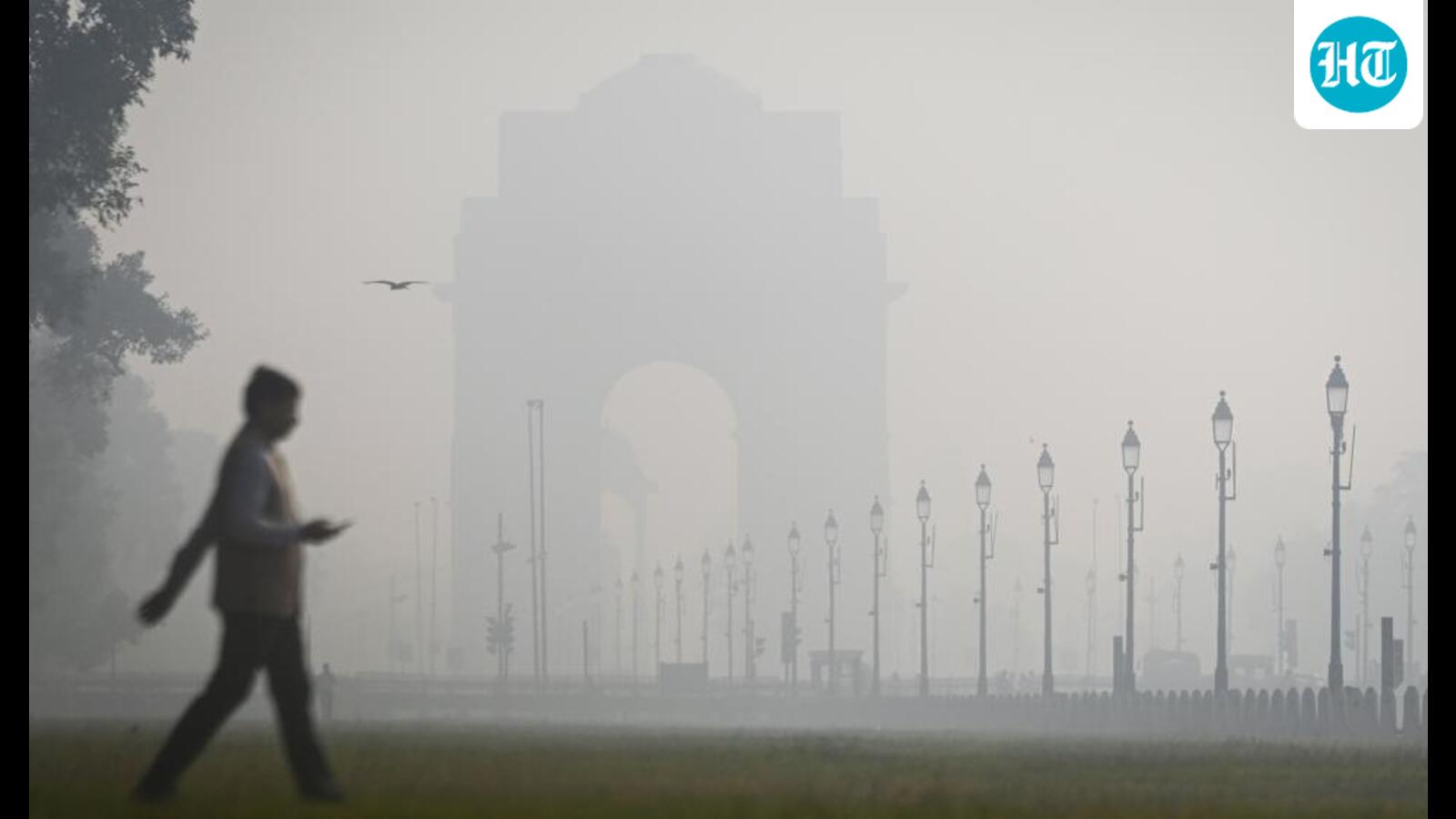
A recent analysis conducted by the Centre for Research on Energy and Clean Air (CREA) reveals that nearly one-third of the annual PM2.5 pollution in New Delhi consists of secondary ammonium sulfate. This finding underscores the urgent need for targeted measures to reduce air pollution, particularly as studies indicate this component may pose greater health risks than general PM2.5 levels.
The research, which is part of a larger 2025 Harvard-led study, highlights that sulfate particles, including ammonium sulfate, significantly contribute to asthma hospitalizations. Specifically, the study found that for every decile increase in sulfate-heavy pollution, there was a corresponding 10.6% increase in asthma hospital admissions among children. Researchers noted that the association between sulfate particles and asthma risk is stronger than for several other components of PM2.5.
Health Risks Linked to Ammonium Sulfate
In addition to respiratory issues, the health implications of ammonium sulfate extend to cardiovascular risks. A separate study published in December 2024 in *Nature Communications* examined the impact of PM2.5 components on acute coronary syndrome (ACS) across various urban areas. It revealed that sulfate particles had a stronger per-unit association with ACS than total PM2.5 mass, suggesting that even minor increases in sulfate pollution could significantly elevate the risk of heart attacks.
Doctors in Delhi are increasingly concerned about these findings. According to Dr. Ashok, an increase in pollution levels over the last decade has led to a rise in patients reporting symptoms such as nasal congestion, runny nose, and decreased lung capacity, even among those without prior health issues.
While individual measures—like wearing masks and using air purifiers—can mitigate exposure, Dr. Ashok emphasized that these solutions are not accessible to many residents. He stated, “Air pollution must be addressed as a national priority like many other issues, as multiple studies and ground reports now show it is directly costing lives. This problem cannot be solved through isolated actions or blame.”
Urgent Need for Emission Reductions
The emergence of ammonium sulfate as a dominant and detrimental component of Delhi’s air pollution highlights the critical need for immediate action to reduce emissions of sulfur dioxide and ammonia. Researchers advocate for comprehensive policy changes that target these pollutants to safeguard public health.
As the city grapples with worsening air quality, these findings serve as a call to action for policymakers and health officials. Addressing air pollution remains a pressing challenge, with implications for the health of millions living in urban areas. The evidence suggests that without significant intervention, the health crises linked to air pollution will only intensify.

Albert Camus’ Insightful Quote on Human Identity Resurfaces

Drone Strikes and Missile Attacks Disrupt UAE Amid Rising Tensions

Japanese Yen Rises Sharply Against US Dollar Ahead of Key Decisions

Priyanka Chopra and Nick Jonas Avoid Near Miss en Route to Oscars

Gujarat Vaccinates Over 11 Lakh Infants in Major Health Drive

Alexandre Singh Wins Oscar, Celebrates Immigrant Heritage

Lok Sabha Speaker Issues Warning Over Placards in Parliament

Global Electrosurgical Devices Market Expands to $10.2 Billion by 2034

North Zone Dominates Cricket; SJAM-1 Shines in Table Tennis

SBI Announces QIP Floor Price at ₹811.05 Per Share

Cept Unveils ₹3.1 Crore Urban Mobility Plan for Sustainable Growth

Comparing Subscription Prices: Spotify, Apple Music, and YouTube Music in India

New Blood Group Discovered in South Indian Woman at Rotary Centre

Konkani Cultural Organisation to Host Pearl Jubilee in Abu Dhabi

Torrential Rains Cause Flash Flooding in New York and New Jersey

Nothing Headphone 1 Review: A Bold Contender in Audio Design

Broad Advocates for Bowling Change Ahead of Final Test Against India

Air India Crash Investigation Highlights Boeing Fuel Switch Concerns
-
 World1 year ago
SBI Announces QIP Floor Price at ₹811.05 Per Share
-
 Lifestyle1 year ago
Cept Unveils ₹3.1 Crore Urban Mobility Plan for Sustainable Growth
-
 Science12 months ago
Comparing Subscription Prices: Spotify, Apple Music, and YouTube Music in India
-
 Science1 year ago
New Blood Group Discovered in South Indian Woman at Rotary Centre
-
 Top Stories1 year ago
Konkani Cultural Organisation to Host Pearl Jubilee in Abu Dhabi
-
 World1 year ago
Torrential Rains Cause Flash Flooding in New York and New Jersey
-
 Science1 year ago
Nothing Headphone 1 Review: A Bold Contender in Audio Design
-
 Sports1 year ago
Broad Advocates for Bowling Change Ahead of Final Test Against India
-
 Top Stories1 year ago
Air India Crash Investigation Highlights Boeing Fuel Switch Concerns
-

 Business1 year ago
Indian Stock Market Rebounds: Sensex and Nifty Rise After Four-Day Decline
-

 Sports1 year ago
Cristian Totti Retires at 19: Pressure of Fame Takes Toll
-

 Politics1 year ago
Abandoned Doberman Finds New Home After Journey to Prague