
Science
Dr. Saini Leads Transformation of Higher Education for AI

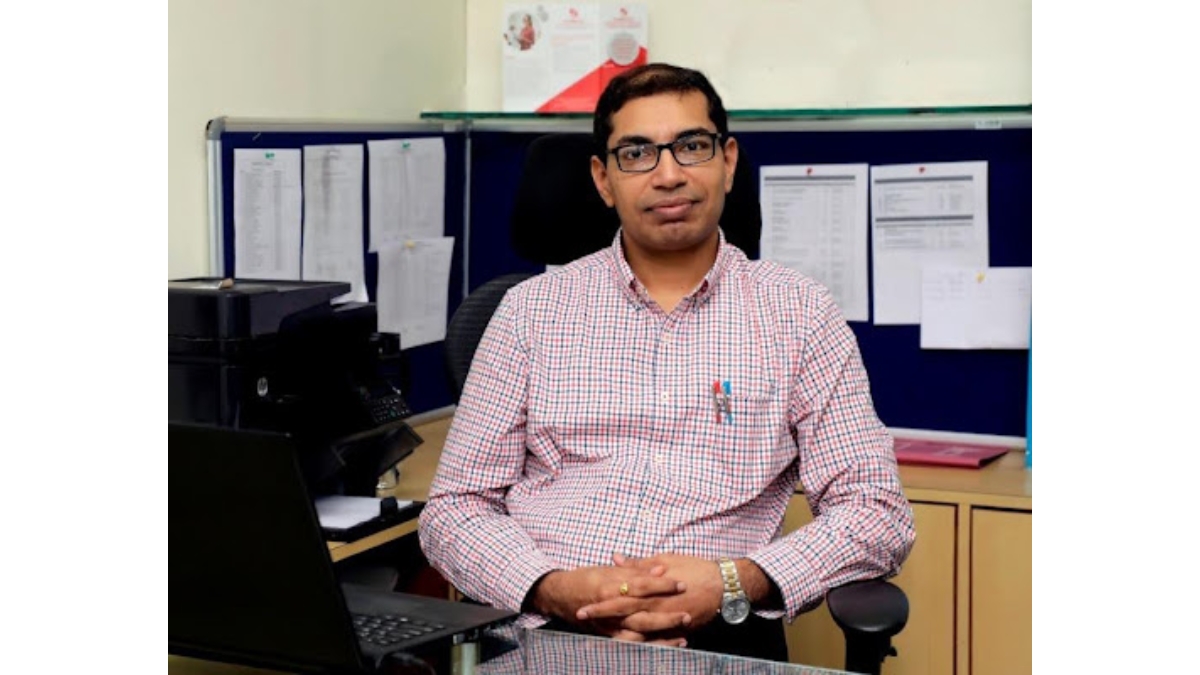
Dr. Jatinderkumar R. Saini, Director of the Symbiosis Institute of Computer Studies and Research in Pune, is spearheading a significant transformation in India’s higher education system. With the rapid advancement of technology, particularly artificial intelligence (AI), educational institutions must adapt to prepare students for evolving job markets. This shift is crucial as industries demand new skills and collaborative learning approaches.
Rethinking Education for the Digital Age
As the world increasingly embraces digital-first strategies, Dr. Saini emphasizes the need for a curriculum that reflects these changes. The traditional methods of teaching are no longer sufficient in a landscape where technology drives innovation. Dr. Saini advocates for an educational model that integrates practical skills with theoretical knowledge, ensuring students are not just consumers of technology but active contributors to its development.
The focus on AI in education is particularly pertinent in India, where a burgeoning tech sector is creating a demand for professionals adept in these skills. By redesigning the curriculum, Dr. Saini aims to equip students with the tools necessary to thrive in a competitive job market. This includes enhancing collaboration among students and fostering an environment where creativity and critical thinking are paramount.
Dr. Saini’s initiatives include partnerships with tech companies to provide students with real-world experience and exposure to current industry practices. These collaborations are designed to create a seamless transition from academia to the workplace, addressing the skills gap that many graduates face upon entering the job market.
Implementing Innovative Learning Strategies
To facilitate this educational evolution, Dr. Saini has introduced various innovative teaching strategies. These include project-based learning, where students tackle real-world problems, and interdisciplinary approaches that combine computer science with disciplines like business and the humanities. This holistic view not only enhances technical skills but also prepares students to navigate complex environments.
Furthermore, the institute is investing in state-of-the-art facilities and resources to support this new learning paradigm. By leveraging technology in the classroom, students can engage in immersive learning experiences that are both practical and impactful. Dr. Saini believes that such investments are essential for fostering a culture of innovation and excellence.
The integration of AI into educational practices also involves training educators to adapt their teaching methods. Dr. Saini emphasizes that faculty development is crucial for the successful implementation of these changes. By equipping educators with new skills and tools, the institute can ensure that students receive the best possible education in a rapidly evolving landscape.
In conclusion, Dr. Jatinderkumar R. Saini is leading a transformative journey for higher education in India, aligning it with the demands of the AI era. By fostering collaboration, integrating technology, and rethinking traditional teaching methods, the Symbiosis Institute of Computer Studies and Research is setting a precedent for educational institutions worldwide. As these changes take shape, the future of education in India looks promising, preparing students for the challenges and opportunities that lie ahead.

Albert Camus’ Insightful Quote on Human Identity Resurfaces

Drone Strikes and Missile Attacks Disrupt UAE Amid Rising Tensions

Japanese Yen Rises Sharply Against US Dollar Ahead of Key Decisions

Priyanka Chopra and Nick Jonas Avoid Near Miss en Route to Oscars

Gujarat Vaccinates Over 11 Lakh Infants in Major Health Drive

Alexandre Singh Wins Oscar, Celebrates Immigrant Heritage

Lok Sabha Speaker Issues Warning Over Placards in Parliament

Global Electrosurgical Devices Market Expands to $10.2 Billion by 2034

North Zone Dominates Cricket; SJAM-1 Shines in Table Tennis

SBI Announces QIP Floor Price at ₹811.05 Per Share

Cept Unveils ₹3.1 Crore Urban Mobility Plan for Sustainable Growth

Comparing Subscription Prices: Spotify, Apple Music, and YouTube Music in India

New Blood Group Discovered in South Indian Woman at Rotary Centre

Konkani Cultural Organisation to Host Pearl Jubilee in Abu Dhabi

Torrential Rains Cause Flash Flooding in New York and New Jersey

Nothing Headphone 1 Review: A Bold Contender in Audio Design

Broad Advocates for Bowling Change Ahead of Final Test Against India

Air India Crash Investigation Highlights Boeing Fuel Switch Concerns
-
 World1 year ago
SBI Announces QIP Floor Price at ₹811.05 Per Share
-
 Lifestyle1 year ago
Cept Unveils ₹3.1 Crore Urban Mobility Plan for Sustainable Growth
-
 Science12 months ago
Comparing Subscription Prices: Spotify, Apple Music, and YouTube Music in India
-
 Science1 year ago
New Blood Group Discovered in South Indian Woman at Rotary Centre
-
 Top Stories1 year ago
Konkani Cultural Organisation to Host Pearl Jubilee in Abu Dhabi
-
 World1 year ago
Torrential Rains Cause Flash Flooding in New York and New Jersey
-
 Science1 year ago
Nothing Headphone 1 Review: A Bold Contender in Audio Design
-
 Sports1 year ago
Broad Advocates for Bowling Change Ahead of Final Test Against India
-
 Top Stories1 year ago
Air India Crash Investigation Highlights Boeing Fuel Switch Concerns
-

 Business1 year ago
Indian Stock Market Rebounds: Sensex and Nifty Rise After Four-Day Decline
-

 Sports1 year ago
Cristian Totti Retires at 19: Pressure of Fame Takes Toll
-

 Politics1 year ago
Abandoned Doberman Finds New Home After Journey to Prague