
Science
Researchers Explore Chemical Fingerprinting of 3D-Printed Ghost Guns

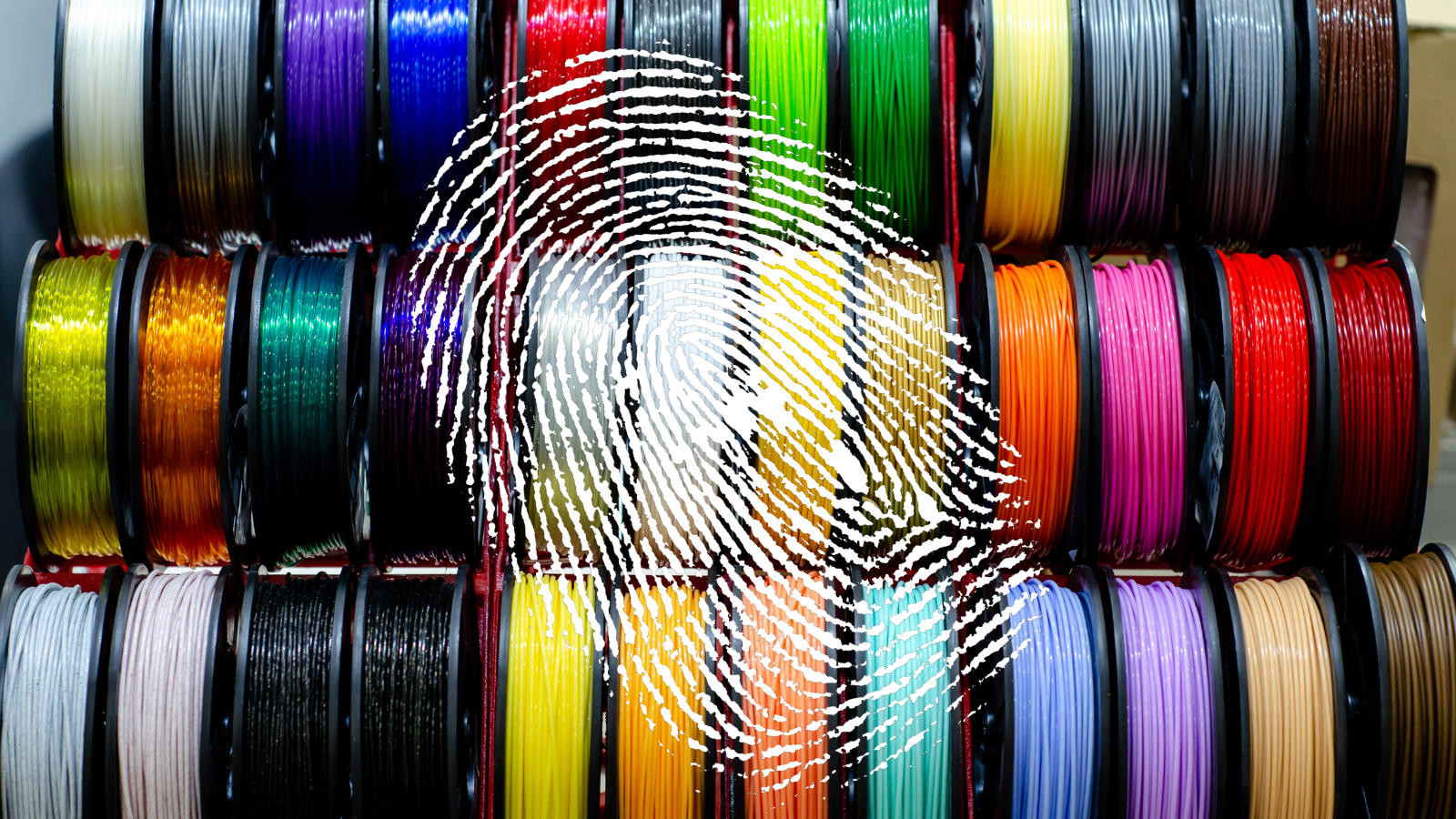
A recent study from researchers at Curtin University in Australia is investigating the potential for tracing 3D-printed “ghost guns” using chemical analysis. In collaboration with ChemCentre, a statutory forensic laboratory located in Western Australia, the scientists aim to develop methods that could help law enforcement connect illegally produced 3D-printed firearm parts to their manufacturers.
The research focuses on identifying the chemical properties of commonly used filaments, particularly polylactic acid (PLA) and acrylonitrile butadiene styrene (ABS). These materials are prevalent in 3D printing and are often used to manufacture illegal firearms. However, challenges arise due to the practice of white labeling among major filament manufacturers, which complicates traceability efforts.
Challenges in Chemical Analysis
The study highlights the complexities involved in linking specific filament brands to individual firearms. Many companies produce similar materials under different brand names, making it difficult to pinpoint the origin of the filament used in a particular 3D-printed gun. Researchers emphasize that while chemical fingerprinting could provide valuable data, the effectiveness of this technique depends on the distinctiveness of the filaments themselves.
According to the study, while chemical properties of PLA and ABS can be analyzed, the overlap between brands may render these efforts less effective. Dr. Sarah Johnson, the lead researcher at Curtin University, stated, “The potential for chemical analysis is significant, but the reality of the market complicates our ability to use this information effectively.”
The implications of this research extend beyond forensic science, touching on broader discussions about gun control and public safety. As 3D printing technology continues to advance, the ability to trace firearms back to their manufacturers becomes increasingly important for law enforcement agencies worldwide.
Future Directions
The collaboration between Curtin University and ChemCentre signals a proactive approach to addressing the challenges posed by 3D-printed firearms. Both organizations are dedicated to finding innovative solutions that enhance forensic capabilities. The study, expected to conclude in early 2024, will provide a comprehensive analysis of the feasibility of chemical fingerprinting in this context.
While researchers remain optimistic, they acknowledge the limitations and potential drawbacks of the current methods. The findings are anticipated to contribute significantly to discussions on enhancing regulations surrounding 3D printing and firearms.
As the study unfolds, stakeholders from law enforcement to policymakers will be closely monitoring its progress. The results may offer new tools in the ongoing battle against illegal firearms and enhance the safety of communities globally.

Albert Camus’ Insightful Quote on Human Identity Resurfaces

Drone Strikes and Missile Attacks Disrupt UAE Amid Rising Tensions

Japanese Yen Rises Sharply Against US Dollar Ahead of Key Decisions

Priyanka Chopra and Nick Jonas Avoid Near Miss en Route to Oscars

Gujarat Vaccinates Over 11 Lakh Infants in Major Health Drive

Alexandre Singh Wins Oscar, Celebrates Immigrant Heritage

Lok Sabha Speaker Issues Warning Over Placards in Parliament

Global Electrosurgical Devices Market Expands to $10.2 Billion by 2034

North Zone Dominates Cricket; SJAM-1 Shines in Table Tennis

SBI Announces QIP Floor Price at ₹811.05 Per Share

Cept Unveils ₹3.1 Crore Urban Mobility Plan for Sustainable Growth

Comparing Subscription Prices: Spotify, Apple Music, and YouTube Music in India

New Blood Group Discovered in South Indian Woman at Rotary Centre

Konkani Cultural Organisation to Host Pearl Jubilee in Abu Dhabi

Torrential Rains Cause Flash Flooding in New York and New Jersey

Nothing Headphone 1 Review: A Bold Contender in Audio Design

Air India Crash Investigation Highlights Boeing Fuel Switch Concerns

Broad Advocates for Bowling Change Ahead of Final Test Against India
-
 World1 year ago
SBI Announces QIP Floor Price at ₹811.05 Per Share
-
 Lifestyle1 year ago
Cept Unveils ₹3.1 Crore Urban Mobility Plan for Sustainable Growth
-
 Science1 year ago
Comparing Subscription Prices: Spotify, Apple Music, and YouTube Music in India
-
 Science1 year ago
New Blood Group Discovered in South Indian Woman at Rotary Centre
-
 Top Stories1 year ago
Konkani Cultural Organisation to Host Pearl Jubilee in Abu Dhabi
-
 World1 year ago
Torrential Rains Cause Flash Flooding in New York and New Jersey
-
 Science1 year ago
Nothing Headphone 1 Review: A Bold Contender in Audio Design
-
 Top Stories1 year ago
Air India Crash Investigation Highlights Boeing Fuel Switch Concerns
-
 Sports1 year ago
Broad Advocates for Bowling Change Ahead of Final Test Against India
-

 Business1 year ago
Indian Stock Market Rebounds: Sensex and Nifty Rise After Four-Day Decline
-

 Sports1 year ago
Cristian Totti Retires at 19: Pressure of Fame Takes Toll
-

 Politics1 year ago
Abandoned Doberman Finds New Home After Journey to Prague