
Science
India and UAE Forge Strategic Civil Nuclear Energy Partnership

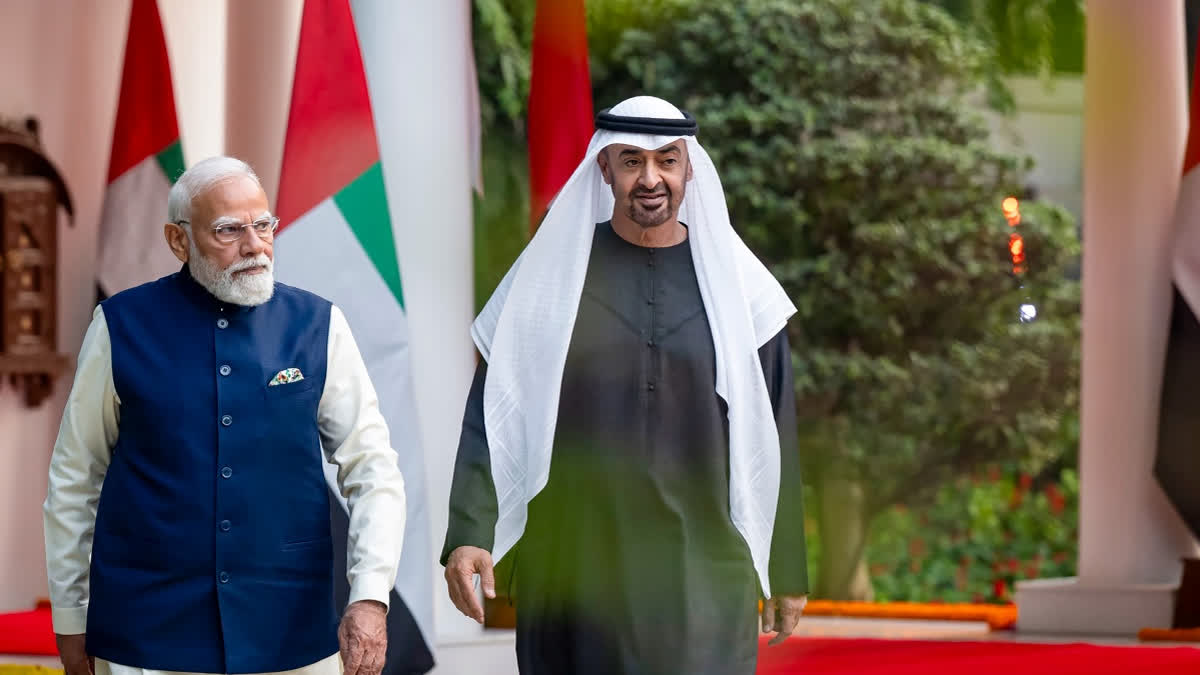
New Delhi has taken a significant step in its international partnerships by initiating a civil nuclear cooperation agreement with the United Arab Emirates (UAE). This agreement expands their strategic partnership into the realm of high technology, reflecting a mutual understanding of the role nuclear power plays in meeting future energy demands and achieving climate commitments.
This collaboration comes at a time when global attention is increasingly focused on clean energy and energy security. The partnership aims to leverage the opportunities created by India’s recently enacted Sustainable Harnessing and Advancement of Nuclear Energy for Transforming India (SHANTI) Act 2025. The act is designed to facilitate the growth of nuclear energy in India, enabling both nations to explore advanced technologies, including large nuclear reactors, small modular reactors (SMRs), and nuclear safety protocols.
During a media briefing following talks between Prime Minister Narendra Modi and President Sheikh Mohamed bin Zayed Al Nahyan of the UAE, Foreign Secretary Vikram Misri highlighted the potential for technological collaboration. He stated, “To capitalise on the new opportunities for civil nuclear cooperation… the two sides decided to explore partnership in advanced nuclear technologies.”
The SHANTI Act, passed in December 2025, represents a pivotal moment for India’s clean energy strategy. It replaces the existing Atomic Energy Act of 1962 and the Civil Liability for Nuclear Damage Act of 2010, allowing for limited private and foreign involvement in nuclear power generation. This reform aims to strengthen state control while clarifying liability arrangements, which are crucial for attracting investment in clean energy.
The UAE, already operating the Barakah Nuclear Energy Plant, views this partnership as a chance to enhance its technological capabilities and establish itself as a leader in clean energy solutions for emerging economies. The Barakah facility, built under a $20 billion agreement with Korea Electric Power Corporation (KEPCO), consists of four reactors that provide approximately 25 percent of the UAE’s electricity needs.
According to Robinder Sachdev, president of the Imagindia think tank, the UAE is proactively seeking alternatives to fossil fuels, investing in both civil nuclear energy and green hydrogen. “Nuclear energy is one source that the UAE has narrowed down on as the energy source of the future,” Sachdev stated, emphasizing the importance of diversifying energy sources.
The strategic alignment between India and the UAE extends beyond immediate energy needs. As the UAE aims to modernise its economy, there is a clear focus on green technology. Harsh V Pant, a professor at King’s College London, notes that while India has a long-standing civil nuclear program, its expansion will benefit from the technological transfer associated with these international agreements.
India’s engagement in civil nuclear energy is not isolated; it has established similar partnerships with countries like Russia, Canada, and Australia. These agreements not only facilitate technology transfer but also reinforce India’s position as an active player in global nuclear energy discussions.
In summary, the initiative to enhance civil nuclear cooperation between India and the UAE is a forward-looking strategy that promises to solidify their partnership in clean energy. By leveraging the SHANTI Act 2025 and focusing on advanced nuclear capabilities, both countries are not only seeking to meet their energy needs but are also building a foundation for sustainable development and strategic trust.

Albert Camus’ Insightful Quote on Human Identity Resurfaces

Drone Strikes and Missile Attacks Disrupt UAE Amid Rising Tensions

Japanese Yen Rises Sharply Against US Dollar Ahead of Key Decisions

Priyanka Chopra and Nick Jonas Avoid Near Miss en Route to Oscars

Gujarat Vaccinates Over 11 Lakh Infants in Major Health Drive

Alexandre Singh Wins Oscar, Celebrates Immigrant Heritage

Lok Sabha Speaker Issues Warning Over Placards in Parliament

Global Electrosurgical Devices Market Expands to $10.2 Billion by 2034

North Zone Dominates Cricket; SJAM-1 Shines in Table Tennis

SBI Announces QIP Floor Price at ₹811.05 Per Share

Cept Unveils ₹3.1 Crore Urban Mobility Plan for Sustainable Growth

Comparing Subscription Prices: Spotify, Apple Music, and YouTube Music in India

New Blood Group Discovered in South Indian Woman at Rotary Centre

Konkani Cultural Organisation to Host Pearl Jubilee in Abu Dhabi

Torrential Rains Cause Flash Flooding in New York and New Jersey

Nothing Headphone 1 Review: A Bold Contender in Audio Design

Air India Crash Investigation Highlights Boeing Fuel Switch Concerns

Indian Stock Market Rebounds: Sensex and Nifty Rise After Four-Day Decline
-
 World1 year ago
SBI Announces QIP Floor Price at ₹811.05 Per Share
-
 Lifestyle1 year ago
Cept Unveils ₹3.1 Crore Urban Mobility Plan for Sustainable Growth
-
 Science12 months ago
Comparing Subscription Prices: Spotify, Apple Music, and YouTube Music in India
-
 Science1 year ago
New Blood Group Discovered in South Indian Woman at Rotary Centre
-
 Top Stories1 year ago
Konkani Cultural Organisation to Host Pearl Jubilee in Abu Dhabi
-
 World1 year ago
Torrential Rains Cause Flash Flooding in New York and New Jersey
-
 Science1 year ago
Nothing Headphone 1 Review: A Bold Contender in Audio Design
-
 Top Stories1 year ago
Air India Crash Investigation Highlights Boeing Fuel Switch Concerns
-
 Business1 year ago
Indian Stock Market Rebounds: Sensex and Nifty Rise After Four-Day Decline
-

 Sports1 year ago
Broad Advocates for Bowling Change Ahead of Final Test Against India
-

 Sports1 year ago
Cristian Totti Retires at 19: Pressure of Fame Takes Toll
-

 Politics1 year ago
Abandoned Doberman Finds New Home After Journey to Prague