
Science
Discover Today’s Waxing Gibbous Moon Phase on March 1, 2024

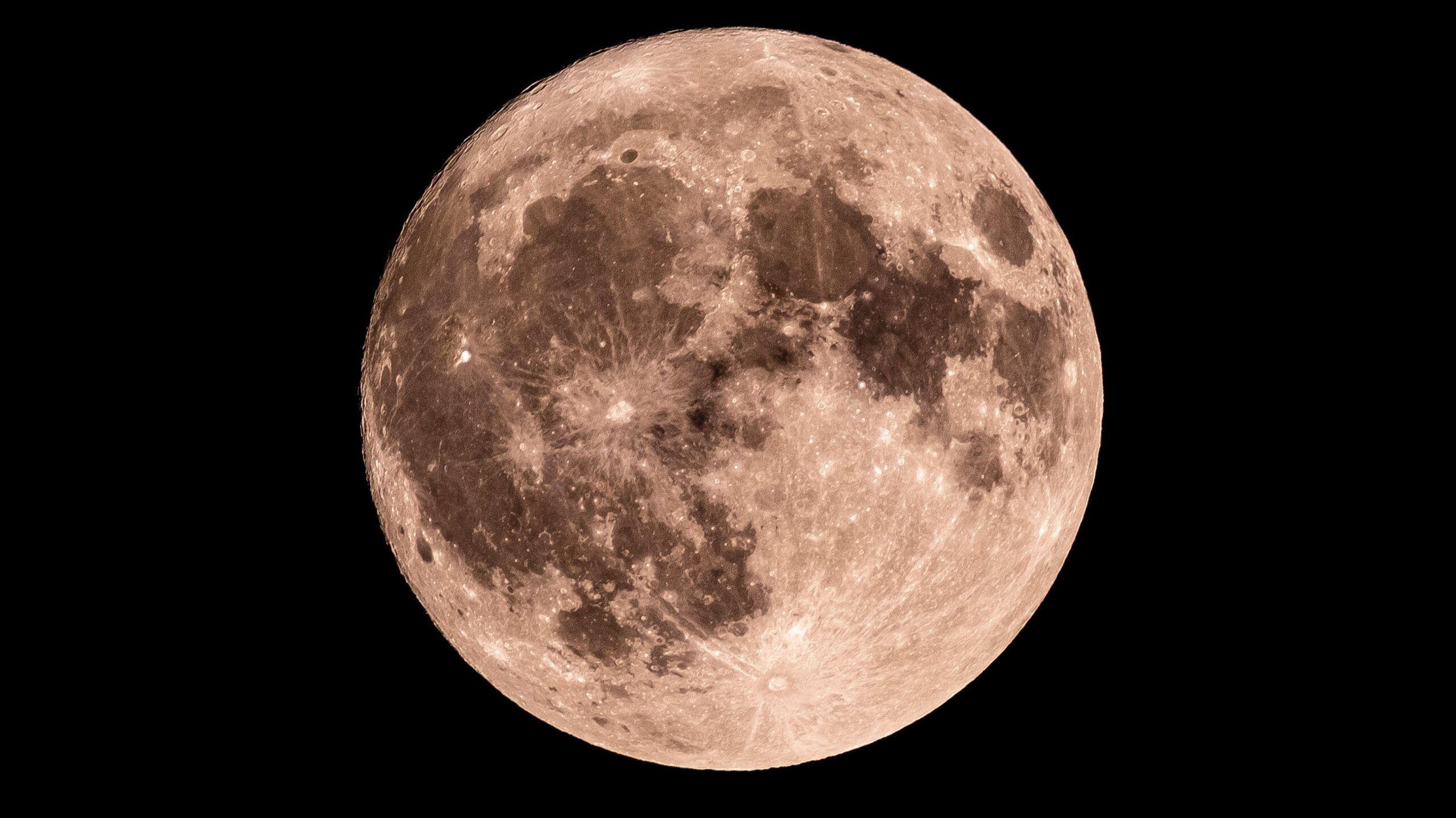
As of March 1, 2024, the Moon is in the Waxing Gibbous phase, with approximately 94% of its surface illuminated. This phase indicates that the Moon is nearing its full illumination, expected to occur on March 3. Stargazers can look forward to a captivating view, as numerous features are visible with the naked eye.
The Waxing Gibbous phase offers an excellent opportunity to observe prominent lunar features. On clear nights, observers can catch sight of notable areas such as the Mares Imbrium and Crisium along with the striking Tycho Crater. For those equipped with binoculars, additional features like the Mares Nectaris and Frigoris, as well as the Endymion Crater, present a fascinating view.
Exploring the Lunar Landscape
Telescope owners will likely find tonight particularly rewarding. With enhanced magnification, they can explore more intricate details, including the landing sites of the Apollo 15 and 17 missions, along with the impressive Schiller Crater. The excitement of viewing these historic locations adds a layer of significance to the experience.
Understanding the various phases of the Moon can enhance this viewing experience. The Moon takes approximately 29.5 days to complete its orbit around the Earth, transitioning through eight distinct phases known as the lunar cycle. This cycle begins with the New Moon, where the Moon is positioned between the Earth and the Sun, making it invisible to observers on Earth.
Progressing through the phases, the Waxing Crescent appears, followed by the First Quarter, where half of the Moon’s surface is illuminated. The Waxing Gibbous phase, currently observed, indicates that more than half is lit but not yet fully illuminated. The cycle culminates with the Full Moon, where the entire face is visible.
Understanding Moon Phases
As the Moon continues its orbit, the amount of sunlight reflected on its surface changes, leading to the various forms seen from Earth. Following the Full Moon, the Moon enters the Waning Gibbous phase, where it begins to lose light on the right side. This is followed by the Third Quarter, or Last Quarter, where the left side is illuminated, and finally, the Waning Crescent, which leaves a thin sliver of light before returning to darkness.
The current Waxing Gibbous phase is a perfect reminder of the dynamic nature of our closest celestial neighbor. Whether utilizing the naked eye, binoculars, or a telescope, March 1 offers an engaging opportunity to appreciate the beauty and complexity of the Moon.

Albert Camus’ Insightful Quote on Human Identity Resurfaces

Drone Strikes and Missile Attacks Disrupt UAE Amid Rising Tensions

Japanese Yen Rises Sharply Against US Dollar Ahead of Key Decisions

Priyanka Chopra and Nick Jonas Avoid Near Miss en Route to Oscars

Gujarat Vaccinates Over 11 Lakh Infants in Major Health Drive

Alexandre Singh Wins Oscar, Celebrates Immigrant Heritage

Lok Sabha Speaker Issues Warning Over Placards in Parliament

Global Electrosurgical Devices Market Expands to $10.2 Billion by 2034

North Zone Dominates Cricket; SJAM-1 Shines in Table Tennis

SBI Announces QIP Floor Price at ₹811.05 Per Share

Cept Unveils ₹3.1 Crore Urban Mobility Plan for Sustainable Growth

Comparing Subscription Prices: Spotify, Apple Music, and YouTube Music in India

New Blood Group Discovered in South Indian Woman at Rotary Centre

Konkani Cultural Organisation to Host Pearl Jubilee in Abu Dhabi

Torrential Rains Cause Flash Flooding in New York and New Jersey

Nothing Headphone 1 Review: A Bold Contender in Audio Design

Air India Crash Investigation Highlights Boeing Fuel Switch Concerns

Broad Advocates for Bowling Change Ahead of Final Test Against India
-
 World1 year ago
SBI Announces QIP Floor Price at ₹811.05 Per Share
-
 Lifestyle1 year ago
Cept Unveils ₹3.1 Crore Urban Mobility Plan for Sustainable Growth
-
 Science1 year ago
Comparing Subscription Prices: Spotify, Apple Music, and YouTube Music in India
-
 Science1 year ago
New Blood Group Discovered in South Indian Woman at Rotary Centre
-
 Top Stories1 year ago
Konkani Cultural Organisation to Host Pearl Jubilee in Abu Dhabi
-
 World1 year ago
Torrential Rains Cause Flash Flooding in New York and New Jersey
-
 Science1 year ago
Nothing Headphone 1 Review: A Bold Contender in Audio Design
-
 Top Stories1 year ago
Air India Crash Investigation Highlights Boeing Fuel Switch Concerns
-
 Sports1 year ago
Broad Advocates for Bowling Change Ahead of Final Test Against India
-

 Business1 year ago
Indian Stock Market Rebounds: Sensex and Nifty Rise After Four-Day Decline
-

 Sports1 year ago
Cristian Totti Retires at 19: Pressure of Fame Takes Toll
-

 Politics1 year ago
Abandoned Doberman Finds New Home After Journey to Prague