
Politics
Unveiling Republic Day 2026: Key Facts About January 26

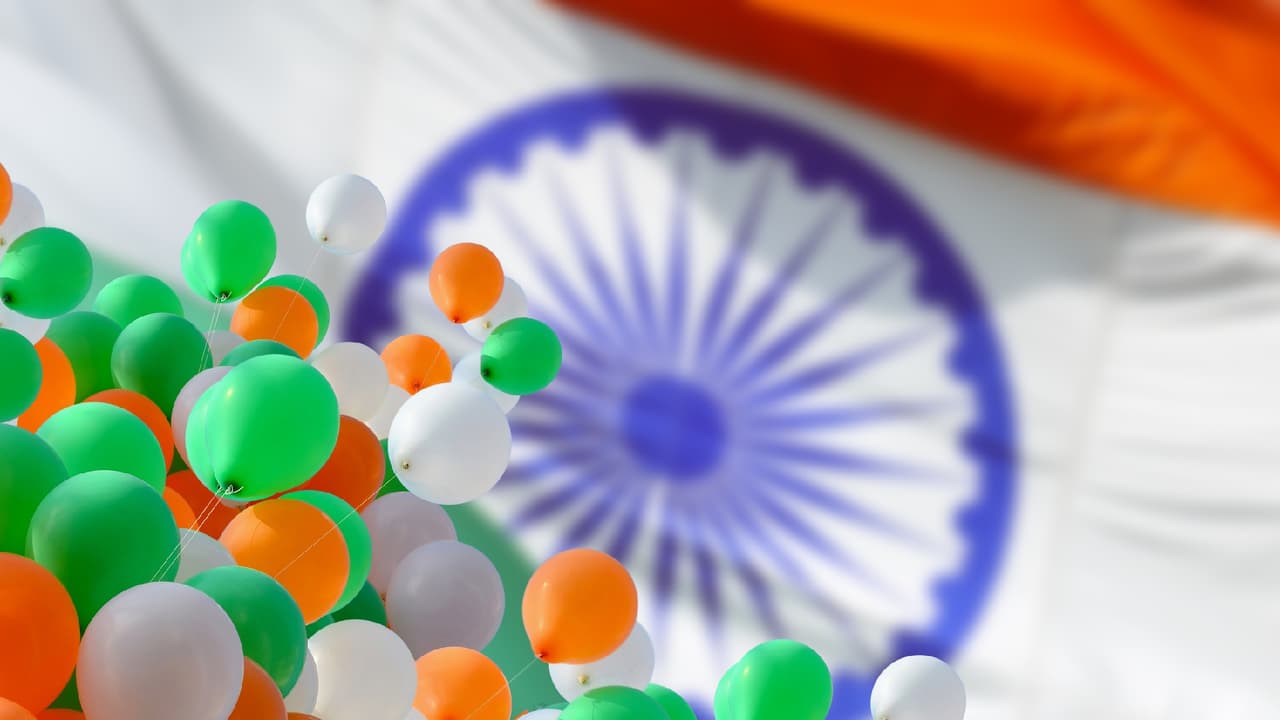
India is preparing to celebrate Republic Day on January 26, 2026, marking a significant moment in the nation’s history. This day, filled with parades and cultural displays, also carries profound historical significance and lesser-known facts about the country’s journey to becoming a republic. Understanding these elements enhances the appreciation of this important occasion.
The Transition to a Republic
Despite gaining independence from British rule on August 15, 1947, India did not immediately adopt the status of a republic. For over two years, the nation functioned as a constitutional monarchy, with the Governor-General acting on behalf of the British monarch. It was not until the constitution came into effect on January 26, 1950, that India officially became a republic.
The Significance of January 26
The choice of January 26 as Republic Day is rooted in its historical context. On this date in 1930, the Indian National Congress proclaimed ‘Purna Swaraj’ (complete independence) from British rule. For nearly 17 years, this day was commemorated as Independence Day. To honor this pivotal moment in India’s freedom struggle, the same date was selected for the adoption of the constitution in 1950.
The drafting of India’s constitution was an extensive process, taking nearly three years to complete. It involved 2 years, 11 months, and 18 days of debates and discussions, encompassing 165 days of meetings across 11 sessions. This meticulous process ensured that the diverse values and aspirations of the Indian populace were thoroughly represented.
Unique Aspects of the Constitution
In a departure from many countries that produce printed constitutions, the original Constitution of India was handwritten by Prem Behari Narain Raizada. His elegant calligraphy, presented in both English and Hindi, is complemented by intricate decorations. These original manuscripts are preserved in the library of the Parliament, highlighting their cultural significance.
Under the leadership of Dr. B.R. Ambedkar, over 300 expert members contributed to the constitution’s development. This collaborative effort was vital in laying the groundwork for the ideals of equality, justice, and individual rights in India.
Historical Parades and Celebrations
The first Republic Day parade took place at the Irwin Stadium, now known as the National Stadium, in Delhi in 1950. It was only later, in 1955, that the parade found its permanent home at Rajpath, now referred to as Kartavya Path.
The inauguration of Dr. Rajendra Prasad as India’s first President on Republic Day 1950 marked the definitive end of British colonial rule. This event underscored India’s transition to a sovereign democracy, symbolizing a new chapter in its governance.
The Republic Day celebrations conclude with the ‘Beating Retreat’ ceremony on January 29. This event features military bands playing patriotic music as flags are lowered in a ceremonial display of respect and discipline, reflecting the rich traditions of India’s armed forces.
In summary, Republic Day is not only a celebration of India’s constitution but also a commemoration of its historical milestones and the collective efforts of its leaders. As the nation gears up for the festivities on January 26, 2026, the stories behind the day offer a deeper understanding of its significance.

Albert Camus’ Insightful Quote on Human Identity Resurfaces

Drone Strikes and Missile Attacks Disrupt UAE Amid Rising Tensions

Japanese Yen Rises Sharply Against US Dollar Ahead of Key Decisions

Priyanka Chopra and Nick Jonas Avoid Near Miss en Route to Oscars

Gujarat Vaccinates Over 11 Lakh Infants in Major Health Drive

Alexandre Singh Wins Oscar, Celebrates Immigrant Heritage

Lok Sabha Speaker Issues Warning Over Placards in Parliament

Global Electrosurgical Devices Market Expands to $10.2 Billion by 2034

North Zone Dominates Cricket; SJAM-1 Shines in Table Tennis

SBI Announces QIP Floor Price at ₹811.05 Per Share

Cept Unveils ₹3.1 Crore Urban Mobility Plan for Sustainable Growth

Comparing Subscription Prices: Spotify, Apple Music, and YouTube Music in India

New Blood Group Discovered in South Indian Woman at Rotary Centre

Konkani Cultural Organisation to Host Pearl Jubilee in Abu Dhabi

Torrential Rains Cause Flash Flooding in New York and New Jersey

Nothing Headphone 1 Review: A Bold Contender in Audio Design

Air India Crash Investigation Highlights Boeing Fuel Switch Concerns

Indian Stock Market Rebounds: Sensex and Nifty Rise After Four-Day Decline
-
 World1 year ago
SBI Announces QIP Floor Price at ₹811.05 Per Share
-
 Lifestyle1 year ago
Cept Unveils ₹3.1 Crore Urban Mobility Plan for Sustainable Growth
-
 Science12 months ago
Comparing Subscription Prices: Spotify, Apple Music, and YouTube Music in India
-
 Science12 months ago
New Blood Group Discovered in South Indian Woman at Rotary Centre
-
 Top Stories1 year ago
Konkani Cultural Organisation to Host Pearl Jubilee in Abu Dhabi
-
 World1 year ago
Torrential Rains Cause Flash Flooding in New York and New Jersey
-
 Science1 year ago
Nothing Headphone 1 Review: A Bold Contender in Audio Design
-
 Top Stories1 year ago
Air India Crash Investigation Highlights Boeing Fuel Switch Concerns
-
 Business1 year ago
Indian Stock Market Rebounds: Sensex and Nifty Rise After Four-Day Decline
-

 Sports12 months ago
Broad Advocates for Bowling Change Ahead of Final Test Against India
-

 Sports12 months ago
Cristian Totti Retires at 19: Pressure of Fame Takes Toll
-

 Politics1 year ago
Abandoned Doberman Finds New Home After Journey to Prague