
Politics
Trump Restructures US Work Visa System, Ending H-1B Lottery

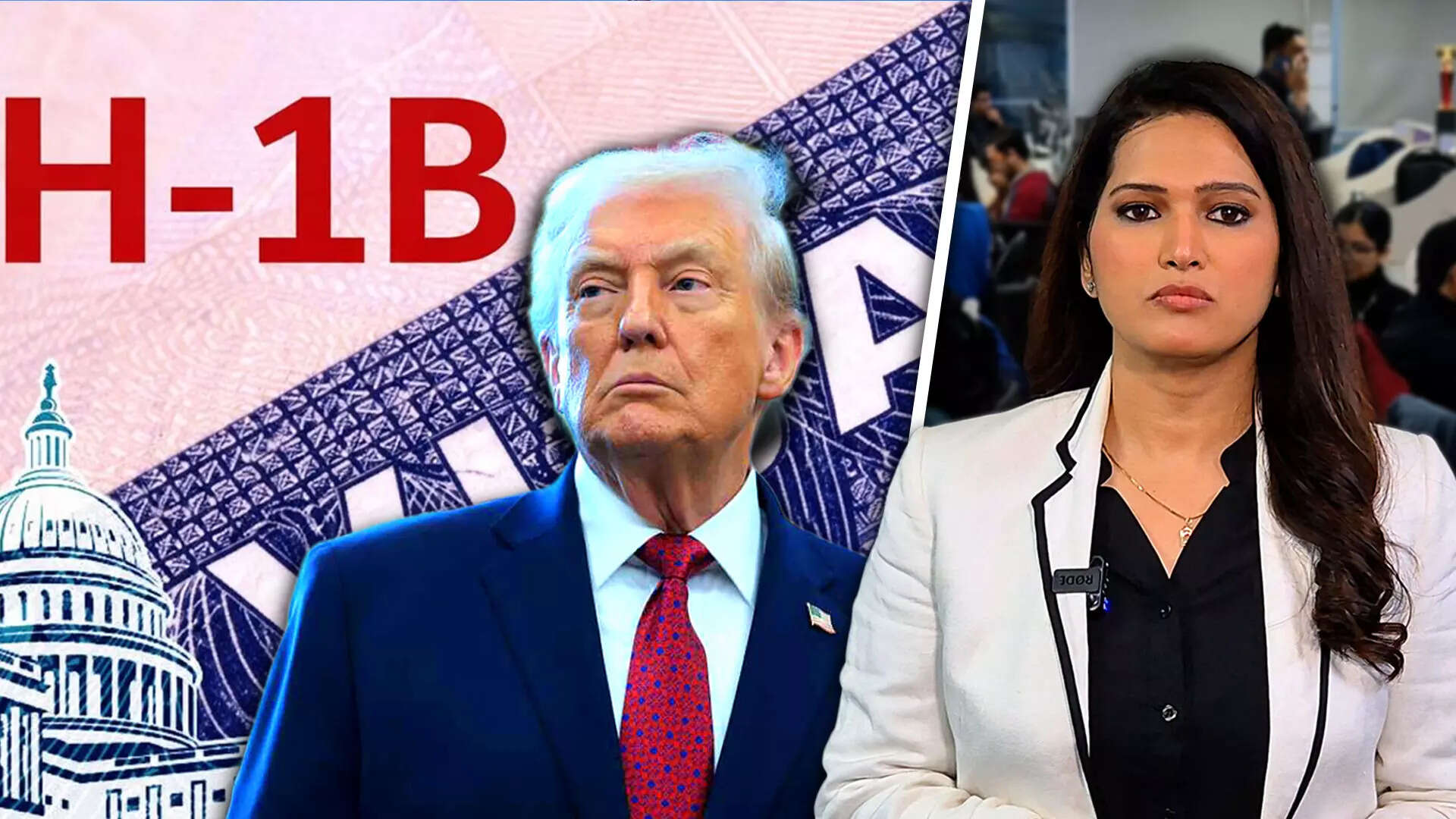
US President Donald Trump has announced a significant overhaul of the US work visa system, effectively ending the H-1B visa lottery. This change, which prioritizes salary and skill-based rankings, is expected to have profound implications, particularly for skilled professionals from India.
The new policy marks a departure from the previous lottery system, which randomly allocated visas to applicants. Under the revised approach, visas will be granted based on the applicant’s potential salary and qualifications. The Trump administration argues that the old system was exploited to import less expensive labor, undermining American workers and job opportunities.
Critics of the new system raise concerns that it transforms immigration into a pay-to-enter model, effectively limiting access to high-paying roles for many prospective immigrants. With a proposed visa fee of $100,000 and a strong preference for higher earners, the US job market may become increasingly inaccessible for young professionals, particularly those from India, who traditionally seek opportunities in fields such as technology and engineering.
Impact on Skilled Migrants
The implications of this policy shift are particularly significant for Indian software engineers, IT professionals, and other skilled workers. India has been one of the largest beneficiaries of the H-1B visa program, with many aspiring professionals relying on this pathway to secure employment in the United States. With the new system in place, these individuals may find it more challenging to navigate the US job market.
Many young professionals are already voicing their concerns about the potential barriers created by the new requirements. The increased focus on salary means that only those with lucrative job offers will have a viable chance of obtaining a work visa. This shift could dissuade many skilled workers from applying, leading to a potential talent drain in critical sectors.
Reactions from the Business Community
Business leaders and industry representatives have expressed mixed reactions to the overhaul. Some argue that prioritizing higher salaries will ensure that only the most skilled and experienced workers are brought into the country, thus benefiting the US economy in the long run. Others worry that this change could hinder innovation and growth in sectors that rely heavily on skilled immigrants.
The US Chamber of Commerce and other industry groups have called for a balanced approach that considers the needs of businesses while ensuring fair labor practices. They emphasize the need for a visa system that supports economic growth without sacrificing opportunities for American workers.
The decision to eliminate the H-1B lottery and implement a salary-based system is part of a broader push by the Trump administration to reform immigration policies. As the details unfold, the long-term effects on both the US economy and the global talent landscape remain to be seen.
In the meantime, potential applicants from India and elsewhere will need to reassess their strategies for securing employment in the United States, navigating a new and potentially more challenging environment.

Albert Camus’ Insightful Quote on Human Identity Resurfaces

Drone Strikes and Missile Attacks Disrupt UAE Amid Rising Tensions

Japanese Yen Rises Sharply Against US Dollar Ahead of Key Decisions

Priyanka Chopra and Nick Jonas Avoid Near Miss en Route to Oscars

Gujarat Vaccinates Over 11 Lakh Infants in Major Health Drive

Alexandre Singh Wins Oscar, Celebrates Immigrant Heritage

Lok Sabha Speaker Issues Warning Over Placards in Parliament

Global Electrosurgical Devices Market Expands to $10.2 Billion by 2034

North Zone Dominates Cricket; SJAM-1 Shines in Table Tennis

SBI Announces QIP Floor Price at ₹811.05 Per Share

Cept Unveils ₹3.1 Crore Urban Mobility Plan for Sustainable Growth

Comparing Subscription Prices: Spotify, Apple Music, and YouTube Music in India

New Blood Group Discovered in South Indian Woman at Rotary Centre

Konkani Cultural Organisation to Host Pearl Jubilee in Abu Dhabi

Torrential Rains Cause Flash Flooding in New York and New Jersey

Nothing Headphone 1 Review: A Bold Contender in Audio Design

Broad Advocates for Bowling Change Ahead of Final Test Against India

Air India Crash Investigation Highlights Boeing Fuel Switch Concerns
-
 World1 year ago
SBI Announces QIP Floor Price at ₹811.05 Per Share
-
 Lifestyle1 year ago
Cept Unveils ₹3.1 Crore Urban Mobility Plan for Sustainable Growth
-
 Science12 months ago
Comparing Subscription Prices: Spotify, Apple Music, and YouTube Music in India
-
 Science1 year ago
New Blood Group Discovered in South Indian Woman at Rotary Centre
-
 Top Stories1 year ago
Konkani Cultural Organisation to Host Pearl Jubilee in Abu Dhabi
-
 World1 year ago
Torrential Rains Cause Flash Flooding in New York and New Jersey
-
 Science1 year ago
Nothing Headphone 1 Review: A Bold Contender in Audio Design
-
 Sports1 year ago
Broad Advocates for Bowling Change Ahead of Final Test Against India
-
 Top Stories1 year ago
Air India Crash Investigation Highlights Boeing Fuel Switch Concerns
-

 Business1 year ago
Indian Stock Market Rebounds: Sensex and Nifty Rise After Four-Day Decline
-

 Sports1 year ago
Cristian Totti Retires at 19: Pressure of Fame Takes Toll
-

 Politics1 year ago
Abandoned Doberman Finds New Home After Journey to Prague