
Politics
Owaisi Challenges Government After Supreme Court Stays UGC Regulations

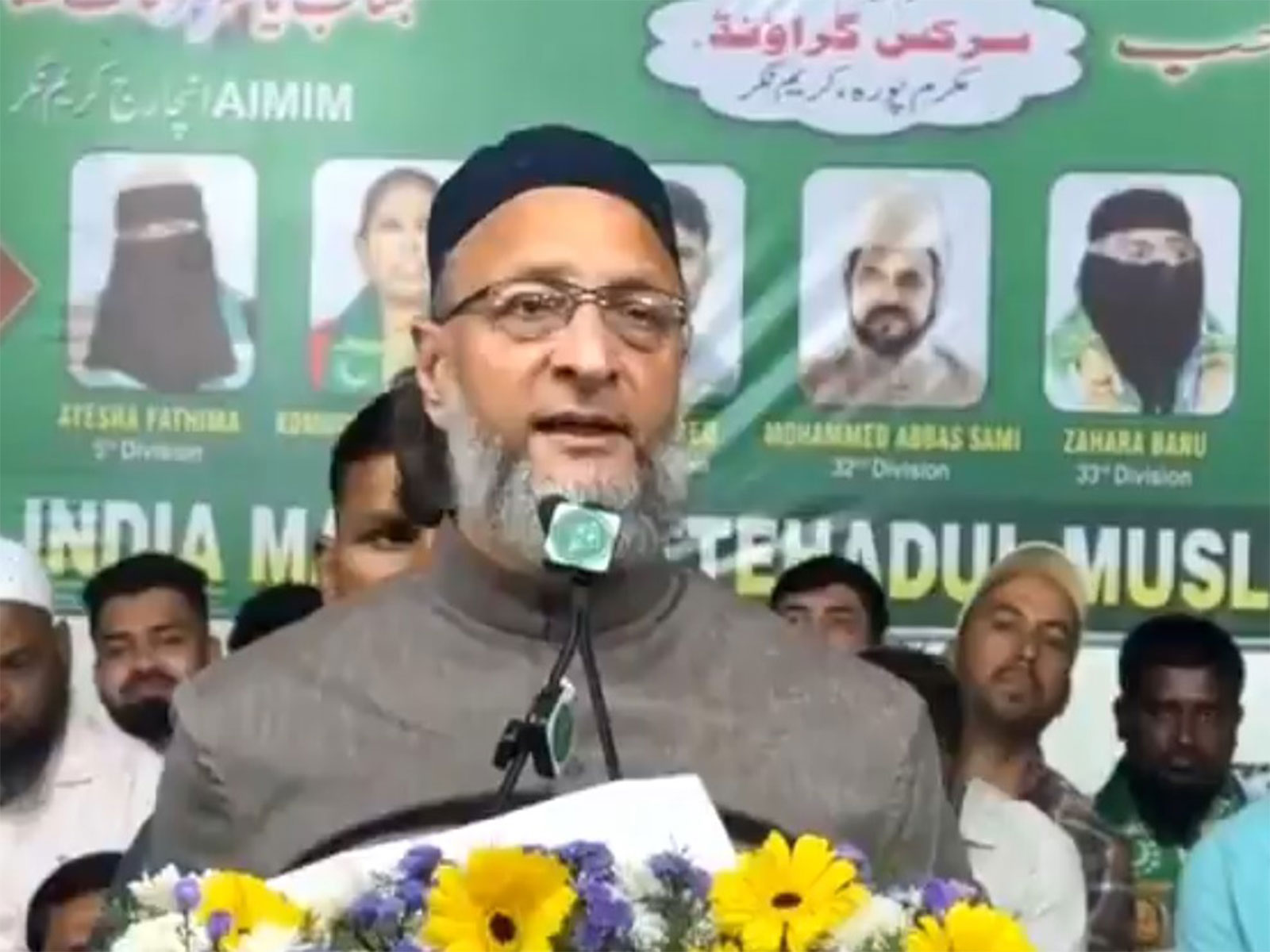
The Supreme Court of India has issued a stay on the University Grants Commission (UGC) regulations aimed at promoting equity in higher education, prompting criticism from AIMIM chief Asaduddin Owaisi. During a public rally in Karimnagar, Telangana, on February 8, 2026, Owaisi questioned the government’s commitment to defending these regulations, which were put in place to protect students from backward classes, Dalits, tribals, and minorities from harassment.
Owaisi highlighted remarks made by Prime Minister Modi in Parliament, where he proclaimed himself the leading figure for backward classes. He stated that the UGC regulations included provisions for serious actions against institutions that discriminate against these groups. “If you love the backward classes so much, then the stay should not have been put on your regulation. What is your answer to that?” Owaisi asked, emphasizing the government’s lack of support during the Supreme Court proceedings.
On January 29, 2026, the Supreme Court stayed the UGC (Promotion of Equity in Higher Education Institutions) Regulations, which had been notified just days earlier on January 23, 2026. Various petitioners challenged the regulations, describing them as arbitrary and discriminatory, in violation of the Constitution and the University Grants Commission Act of 1956. The bench, comprising Chief Justice of India Surya Kant and Justice Joymalya Bagchi, noted that the language defining “caste-based discrimination” was “vague.” Consequently, the 2012 UGC regulations will remain in effect while the court reviews the validity of the 2026 regulations, with the next hearing scheduled for March 19, 2026.
Owaisi also addressed student protests against the regulations, particularly from those in the general category. Protesters argued that the regulations fostered rather than alleviated inequality on campuses and failed to include measures to address fraudulent complaints against general category students.
As the upcoming municipal elections in Telangana approach, Owaisi urged voters to reject candidates from the Bharat Rashtra Samithi (BRS), arguing that votes for the BRS would indirectly benefit the Bharatiya Janata Party (BJP). “If any vote is cast for BRS in Karimnagar, it is only to benefit the BJP. I appeal to you not to vote for such candidates,” he stated. He stressed the importance of strengthening political leadership to address municipal issues, including roads and drainage.
The backdrop of Owaisi’s critique underscores broader tensions surrounding policies intended to support underrepresented groups in education. As the political landscape shifts in Telangana, the implications of these regulatory challenges will be closely watched by both supporters and critics of the current government.

Albert Camus’ Insightful Quote on Human Identity Resurfaces

Drone Strikes and Missile Attacks Disrupt UAE Amid Rising Tensions

Japanese Yen Rises Sharply Against US Dollar Ahead of Key Decisions

Priyanka Chopra and Nick Jonas Avoid Near Miss en Route to Oscars

Gujarat Vaccinates Over 11 Lakh Infants in Major Health Drive

Alexandre Singh Wins Oscar, Celebrates Immigrant Heritage

Lok Sabha Speaker Issues Warning Over Placards in Parliament

Global Electrosurgical Devices Market Expands to $10.2 Billion by 2034

North Zone Dominates Cricket; SJAM-1 Shines in Table Tennis

SBI Announces QIP Floor Price at ₹811.05 Per Share

Cept Unveils ₹3.1 Crore Urban Mobility Plan for Sustainable Growth

Comparing Subscription Prices: Spotify, Apple Music, and YouTube Music in India

New Blood Group Discovered in South Indian Woman at Rotary Centre

Konkani Cultural Organisation to Host Pearl Jubilee in Abu Dhabi

Torrential Rains Cause Flash Flooding in New York and New Jersey

Nothing Headphone 1 Review: A Bold Contender in Audio Design

Air India Crash Investigation Highlights Boeing Fuel Switch Concerns

Indian Stock Market Rebounds: Sensex and Nifty Rise After Four-Day Decline
-
 World1 year ago
SBI Announces QIP Floor Price at ₹811.05 Per Share
-
 Lifestyle1 year ago
Cept Unveils ₹3.1 Crore Urban Mobility Plan for Sustainable Growth
-
 Science12 months ago
Comparing Subscription Prices: Spotify, Apple Music, and YouTube Music in India
-
 Science12 months ago
New Blood Group Discovered in South Indian Woman at Rotary Centre
-
 Top Stories1 year ago
Konkani Cultural Organisation to Host Pearl Jubilee in Abu Dhabi
-
 World1 year ago
Torrential Rains Cause Flash Flooding in New York and New Jersey
-
 Science1 year ago
Nothing Headphone 1 Review: A Bold Contender in Audio Design
-
 Top Stories1 year ago
Air India Crash Investigation Highlights Boeing Fuel Switch Concerns
-
 Business1 year ago
Indian Stock Market Rebounds: Sensex and Nifty Rise After Four-Day Decline
-

 Sports12 months ago
Broad Advocates for Bowling Change Ahead of Final Test Against India
-

 Sports12 months ago
Cristian Totti Retires at 19: Pressure of Fame Takes Toll
-

 Politics1 year ago
Abandoned Doberman Finds New Home After Journey to Prague