
Politics
Iran Blocks Strait of Hormuz, Strains Trade with India

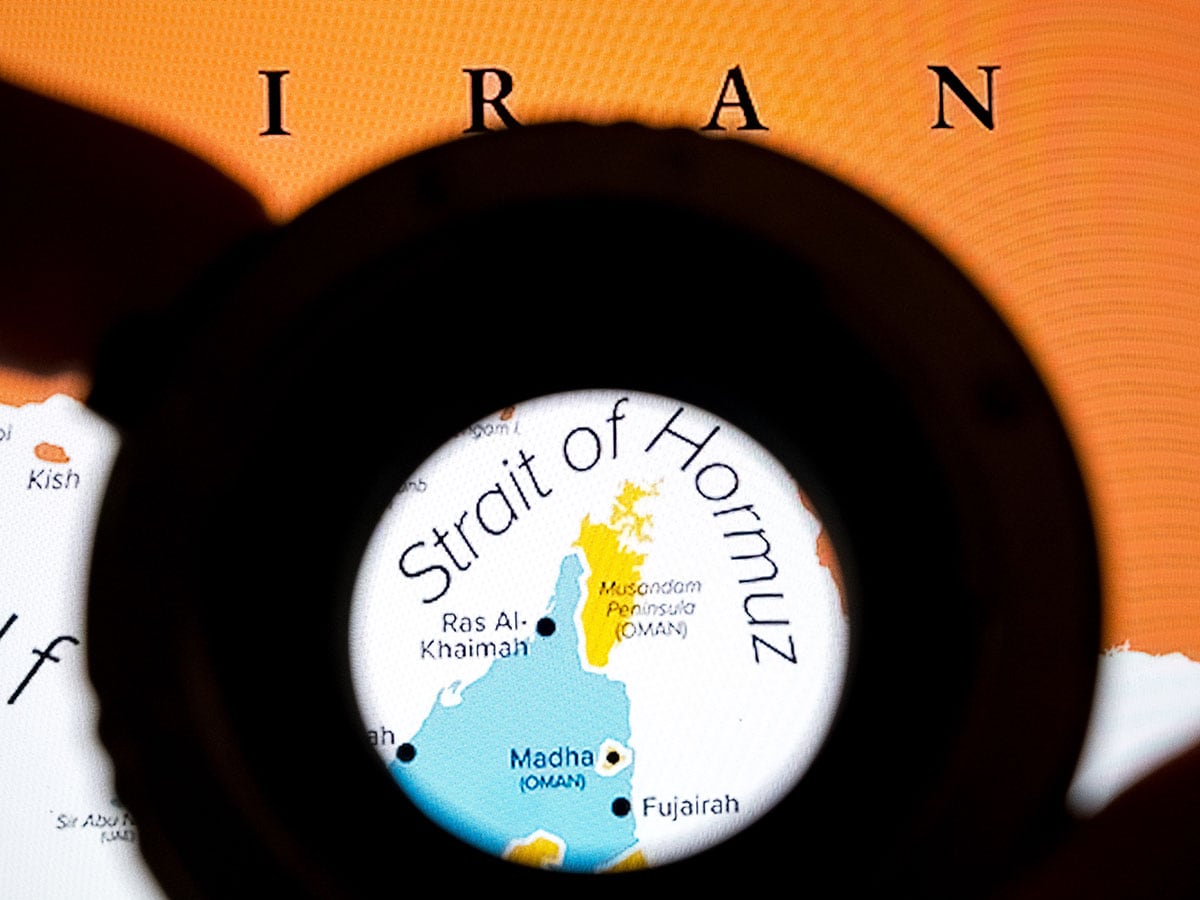
Tensions in West Asia have escalated sharply as Iran has blocked the crucial Strait of Hormuz, a significant passage for global oil shipments. This closure threatens the flow of approximately 20.1 million barrels of oil that transit daily through this vital chokepoint, a decrease from a peak of 21.4 million barrels per day recorded in 2022–23. Should this blockage persist, it could disrupt global oil markets and trigger price shocks.
The impact of these geopolitical developments has been profound on trade relations between India and Iran. The volume of trade has plummeted from a high of $13.5 billion in fiscal year 2019 to less than $1 billion today. This decline is largely attributed to the imposition of stringent US sanctions, which have systematically undermined one of India’s key energy partnerships.
As oil imports from Iran have dwindled, India’s import basket from the country now consists mainly of niche products. The top import remains petroleum bitumen, valued at $113 million, followed by pistachios and dry dates. In contrast, Indian exports to Iran are led by basmati rice, which alone accounts for more than $533 million, overshadowing other goods and underscoring the importance of food and agricultural products in the remaining trade.
Changing Dynamics of Educational Exchange
Despite the economic downturn, there are signs of strengthening people-to-people ties between India and Iran. Indian enrolment in Iranian universities has nearly tripled, rising from 1,020 students in January 2024 to 2,930 in January 2025. This surge indicates a growing interest in educational exchange and cultural connections, suggesting that the bilateral relationship may still have potential beyond trade.
While cross-border travel remains significantly below pre-pandemic levels, the numbers are slowly improving. Both Indian visitors to Iran and Iranian arrivals in India are approximately one-third lower than the figures from 2019, highlighting the ongoing challenges in restoring normal travel dynamics.
The blockage of the Strait of Hormuz and the accompanying sanctions have undoubtedly strained economic ties between India and Iran. Nevertheless, the increase in educational exchanges signals a potential pathway for fostering closer ties in other areas, even as the two nations navigate a complex geopolitical landscape.

Albert Camus’ Insightful Quote on Human Identity Resurfaces

Drone Strikes and Missile Attacks Disrupt UAE Amid Rising Tensions

Japanese Yen Rises Sharply Against US Dollar Ahead of Key Decisions

Priyanka Chopra and Nick Jonas Avoid Near Miss en Route to Oscars

Gujarat Vaccinates Over 11 Lakh Infants in Major Health Drive

Alexandre Singh Wins Oscar, Celebrates Immigrant Heritage

Lok Sabha Speaker Issues Warning Over Placards in Parliament

Global Electrosurgical Devices Market Expands to $10.2 Billion by 2034

North Zone Dominates Cricket; SJAM-1 Shines in Table Tennis

SBI Announces QIP Floor Price at ₹811.05 Per Share

Cept Unveils ₹3.1 Crore Urban Mobility Plan for Sustainable Growth

Comparing Subscription Prices: Spotify, Apple Music, and YouTube Music in India

New Blood Group Discovered in South Indian Woman at Rotary Centre

Konkani Cultural Organisation to Host Pearl Jubilee in Abu Dhabi

Torrential Rains Cause Flash Flooding in New York and New Jersey

Nothing Headphone 1 Review: A Bold Contender in Audio Design

Air India Crash Investigation Highlights Boeing Fuel Switch Concerns

Broad Advocates for Bowling Change Ahead of Final Test Against India
-
 World1 year ago
SBI Announces QIP Floor Price at ₹811.05 Per Share
-
 Lifestyle1 year ago
Cept Unveils ₹3.1 Crore Urban Mobility Plan for Sustainable Growth
-
 Science1 year ago
Comparing Subscription Prices: Spotify, Apple Music, and YouTube Music in India
-
 Science1 year ago
New Blood Group Discovered in South Indian Woman at Rotary Centre
-
 Top Stories1 year ago
Konkani Cultural Organisation to Host Pearl Jubilee in Abu Dhabi
-
 World1 year ago
Torrential Rains Cause Flash Flooding in New York and New Jersey
-
 Science1 year ago
Nothing Headphone 1 Review: A Bold Contender in Audio Design
-
 Top Stories1 year ago
Air India Crash Investigation Highlights Boeing Fuel Switch Concerns
-
 Sports1 year ago
Broad Advocates for Bowling Change Ahead of Final Test Against India
-

 Business1 year ago
Indian Stock Market Rebounds: Sensex and Nifty Rise After Four-Day Decline
-

 Sports1 year ago
Cristian Totti Retires at 19: Pressure of Fame Takes Toll
-

 Politics1 year ago
Abandoned Doberman Finds New Home After Journey to Prague