
Health
Why Belly Fat Increases After 30: Expert Insights Explained

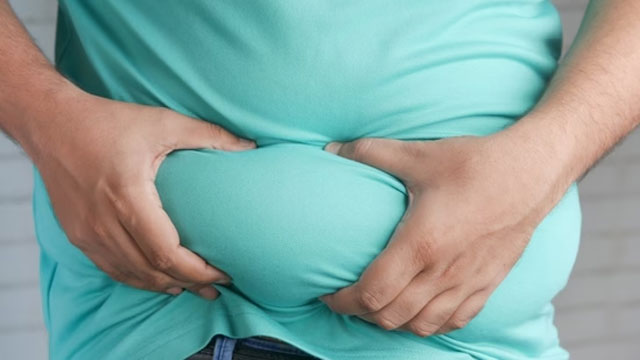
As individuals approach their thirties, they may find it increasingly difficult to manage belly fat, even without any significant changes to their diet or lifestyle. According to Dr Saurabh Sethi, a gastroenterologist based in California and trained at AIIMS, Harvard, and Stanford Universities, physiological changes that occur after the age of 30 can lead to a greater propensity for abdominal fat accumulation.
In an Instagram post dated December 21, 2023, Dr Sethi highlighted that many people experience challenges in shedding stubborn belly fat as they age. He emphasized that biological changes, rather than lifestyle choices alone, contribute to this trend. “The same foods lead to more belly fat. The same workouts give fewer results. Even small cheat days have a much bigger impact,” he noted.
Factors Contributing to Increased Belly Fat
Dr Sethi outlined several key factors that contribute to the increase in belly fat after the age of 30:
**Loss of muscle mass:** After reaching 30, individuals typically lose approximately 3-8 percent of muscle mass every decade. This decline in muscle leads to a reduced resting metabolic rate, meaning fewer calories are burned at rest. Dr Sethi explained that muscles are responsible for nearly 70-80 percent of glucose disposal in the body. As muscle mass decreases, glucose remains in the bloodstream longer and is more likely to be stored as abdominal fat.
**Declining insulin sensitivity:** Insulin sensitivity decreases by about 4-5 percent each decade. This reduction means that consuming the same amount of carbohydrates can lead to more significant sugar spikes, which in turn accelerates fat storage, particularly around the waistline.
**Hormonal changes:** As people age past 30, their levels of human growth hormone, testosterone, and oestrogen tend to decline, while cortisol levels often rise. Dr Sethi pointed out that this hormonal shift creates an environment that favors the storage of visceral fat, which surrounds internal organs. This type of fat is particularly concerning as it exacerbates insulin resistance and inflammation, posing health risks for individuals with conditions such as fatty liver, prediabetes, diabetes, or elevated triglycerides.
Signs of a Slowing Metabolism
Individuals experiencing these changes may notice several signs indicative of a slowing metabolism. Common signs include:
– An increase in belly size despite stable body weight
– Afternoon energy crashes
– Strong cravings for sugar
– Bloating after consuming carbohydrates
– Fat gain in the upper abdomen
Strategies for Reducing Belly Fat
To combat the accumulation of belly fat, Dr Sethi suggests several actionable tips:
– **Ensure adequate protein intake:** Aim for 1.2-1.6 grams of protein per kilogram of body weight daily.
– **Incorporate strength training:** Engage in strength training exercises at least three times a week.
– **Walk daily:** Regular walking can significantly improve insulin sensitivity.
– **Prioritize quality sleep:** Aim for 7-8 hours of quality sleep each night.
As the new year approaches, many individuals may find these insights helpful as they set their health-related resolutions. Understanding the biological factors at play can empower individuals in their pursuit of a healthier lifestyle.

Albert Camus’ Insightful Quote on Human Identity Resurfaces

Drone Strikes and Missile Attacks Disrupt UAE Amid Rising Tensions

Japanese Yen Rises Sharply Against US Dollar Ahead of Key Decisions

Priyanka Chopra and Nick Jonas Avoid Near Miss en Route to Oscars

Gujarat Vaccinates Over 11 Lakh Infants in Major Health Drive

Alexandre Singh Wins Oscar, Celebrates Immigrant Heritage

Lok Sabha Speaker Issues Warning Over Placards in Parliament

Global Electrosurgical Devices Market Expands to $10.2 Billion by 2034

North Zone Dominates Cricket; SJAM-1 Shines in Table Tennis

SBI Announces QIP Floor Price at ₹811.05 Per Share

Cept Unveils ₹3.1 Crore Urban Mobility Plan for Sustainable Growth

New Blood Group Discovered in South Indian Woman at Rotary Centre

Konkani Cultural Organisation to Host Pearl Jubilee in Abu Dhabi

Torrential Rains Cause Flash Flooding in New York and New Jersey

Nothing Headphone 1 Review: A Bold Contender in Audio Design

Indian Stock Market Rebounds: Sensex and Nifty Rise After Four-Day Decline

Air India Crash Investigation Highlights Boeing Fuel Switch Concerns

Broad Advocates for Bowling Change Ahead of Final Test Against India
-
 World12 months ago
SBI Announces QIP Floor Price at ₹811.05 Per Share
-
 Lifestyle12 months ago
Cept Unveils ₹3.1 Crore Urban Mobility Plan for Sustainable Growth
-
 Science12 months ago
New Blood Group Discovered in South Indian Woman at Rotary Centre
-
 Top Stories12 months ago
Konkani Cultural Organisation to Host Pearl Jubilee in Abu Dhabi
-
 World12 months ago
Torrential Rains Cause Flash Flooding in New York and New Jersey
-
 Science12 months ago
Nothing Headphone 1 Review: A Bold Contender in Audio Design
-
 Business12 months ago
Indian Stock Market Rebounds: Sensex and Nifty Rise After Four-Day Decline
-
 Top Stories12 months ago
Air India Crash Investigation Highlights Boeing Fuel Switch Concerns
-
 Sports12 months ago
Broad Advocates for Bowling Change Ahead of Final Test Against India
-

 Sports12 months ago
Cristian Totti Retires at 19: Pressure of Fame Takes Toll
-

 Politics12 months ago
Abandoned Doberman Finds New Home After Journey to Prague
-

 Lifestyle12 months ago
Villagers Unite to Raise ₹45 Lakh for Water Solutions in Vadgam