
Health
Transform Your Mindset: Elevate Self-Care with Origami

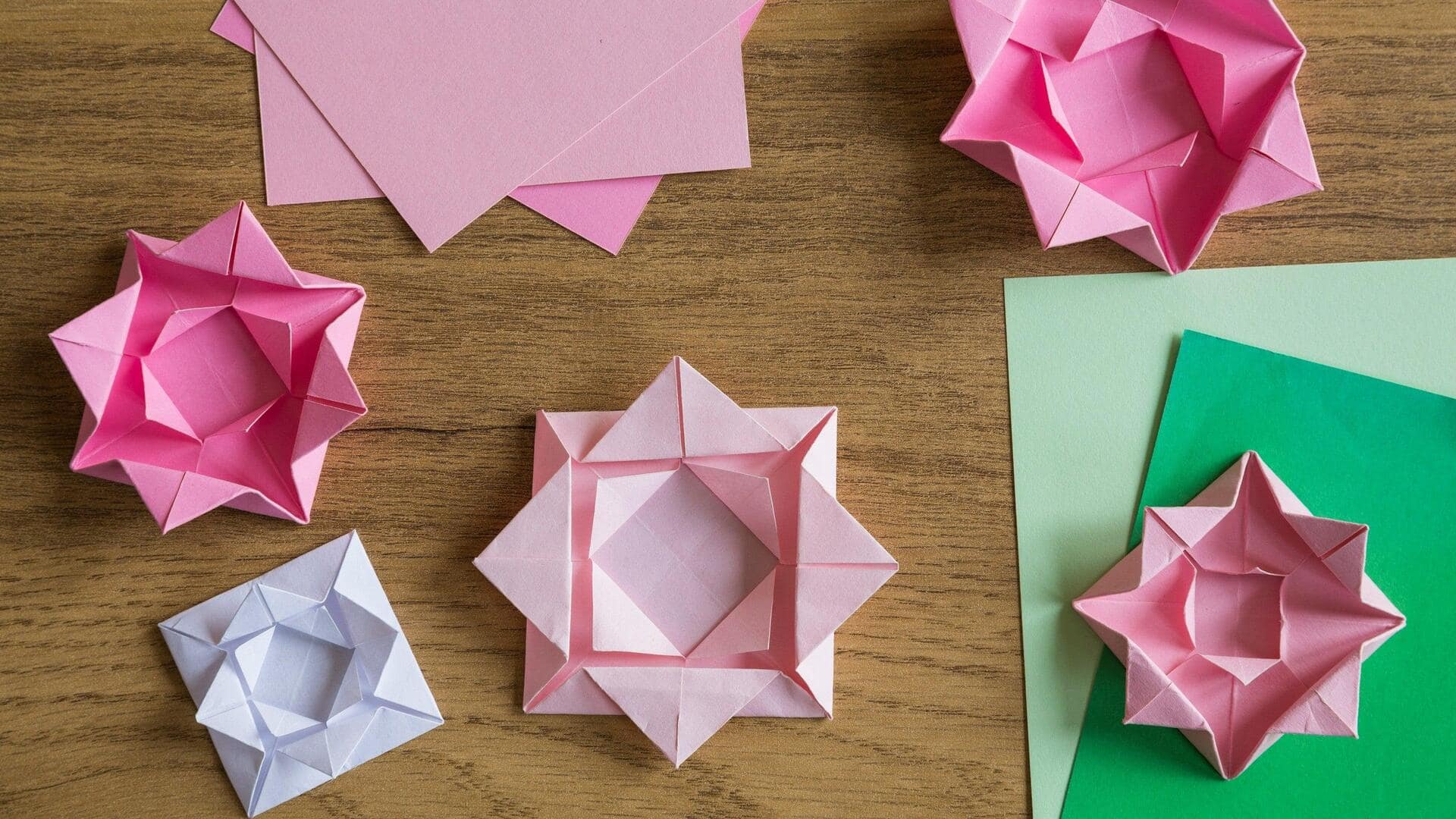
Origami, the traditional Japanese art of paper folding, is gaining recognition as a valuable tool for self-care and mindfulness practice. By focusing on the meticulous folds and shapes, individuals can cultivate a sense of presence and tranquility. This accessible activity can be practiced virtually anywhere, serving as a means to reduce stress while engaging both the mind and hands in creativity.
Starting Your Origami Journey
Beginners can ease into origami by starting with simple designs, such as cranes or boats. These fundamental models typically involve fewer steps, which allows newcomers to concentrate on perfecting each fold. As individuals gain confidence through mastering basic shapes, they can gradually tackle more complex designs. This progressive approach fosters mindfulness, as it encourages focus on the task without the pressure of feeling overwhelmed.
Creating a dedicated space for origami practice can significantly enhance the mindfulness experience. Selecting a quiet corner free from distractions signals to the brain that it is time to unwind and engage with this art form. Additionally, maintaining a clutter-free environment minimizes interruptions, enabling a deeper immersion in the activity.
Choosing Materials and Techniques
The quality of paper used for origami plays a crucial role in the overall experience. It is advisable to select paper that is easy to fold yet robust enough to withstand manipulation without tearing. High-quality paper not only enhances the tactile pleasure of folding but also ensures that the finished models maintain their intended shapes. Experimenting with various textures and colors can introduce additional joy to the process, further contributing to mindfulness.
Incorporating breathing techniques into origami sessions can deepen the mindfulness practice. Before beginning, it is beneficial to take several deep breaths to center oneself and clear the mind of distractions. Maintaining slow and steady breathing while folding each piece of paper can enhance focus and promote relaxation by calming the nervous system.
Establishing a regular schedule for origami sessions is essential for building a consistent mindfulness practice. Whether dedicating ten minutes each morning or an hour on weekends, creating a routine reinforces habits over time. Consistency is pivotal for reaping the benefits of reduced stress levels and improved concentration from regular engagement with origami.
As more individuals discover the therapeutic potential of origami, this ancient art form continues to evolve into a modern self-care ritual. Engaging in origami not only provides a creative outlet but also encourages mindfulness, promoting a balanced approach to mental well-being.

Albert Camus’ Insightful Quote on Human Identity Resurfaces

Drone Strikes and Missile Attacks Disrupt UAE Amid Rising Tensions

Japanese Yen Rises Sharply Against US Dollar Ahead of Key Decisions

Priyanka Chopra and Nick Jonas Avoid Near Miss en Route to Oscars

Gujarat Vaccinates Over 11 Lakh Infants in Major Health Drive

Alexandre Singh Wins Oscar, Celebrates Immigrant Heritage

Lok Sabha Speaker Issues Warning Over Placards in Parliament

Global Electrosurgical Devices Market Expands to $10.2 Billion by 2034

North Zone Dominates Cricket; SJAM-1 Shines in Table Tennis

SBI Announces QIP Floor Price at ₹811.05 Per Share

Cept Unveils ₹3.1 Crore Urban Mobility Plan for Sustainable Growth

New Blood Group Discovered in South Indian Woman at Rotary Centre

Konkani Cultural Organisation to Host Pearl Jubilee in Abu Dhabi

Torrential Rains Cause Flash Flooding in New York and New Jersey

Nothing Headphone 1 Review: A Bold Contender in Audio Design

Indian Stock Market Rebounds: Sensex and Nifty Rise After Four-Day Decline

Air India Crash Investigation Highlights Boeing Fuel Switch Concerns

Broad Advocates for Bowling Change Ahead of Final Test Against India
-
 World12 months ago
SBI Announces QIP Floor Price at ₹811.05 Per Share
-
 Lifestyle12 months ago
Cept Unveils ₹3.1 Crore Urban Mobility Plan for Sustainable Growth
-
 Science12 months ago
New Blood Group Discovered in South Indian Woman at Rotary Centre
-
 Top Stories12 months ago
Konkani Cultural Organisation to Host Pearl Jubilee in Abu Dhabi
-
 World12 months ago
Torrential Rains Cause Flash Flooding in New York and New Jersey
-
 Science12 months ago
Nothing Headphone 1 Review: A Bold Contender in Audio Design
-
 Business12 months ago
Indian Stock Market Rebounds: Sensex and Nifty Rise After Four-Day Decline
-
 Top Stories12 months ago
Air India Crash Investigation Highlights Boeing Fuel Switch Concerns
-
 Sports12 months ago
Broad Advocates for Bowling Change Ahead of Final Test Against India
-

 Sports12 months ago
Cristian Totti Retires at 19: Pressure of Fame Takes Toll
-

 Politics12 months ago
Abandoned Doberman Finds New Home After Journey to Prague
-

 Lifestyle12 months ago
Villagers Unite to Raise ₹45 Lakh for Water Solutions in Vadgam