
Health
Transform Your Mind with a Personalized Sensory Meditation Space

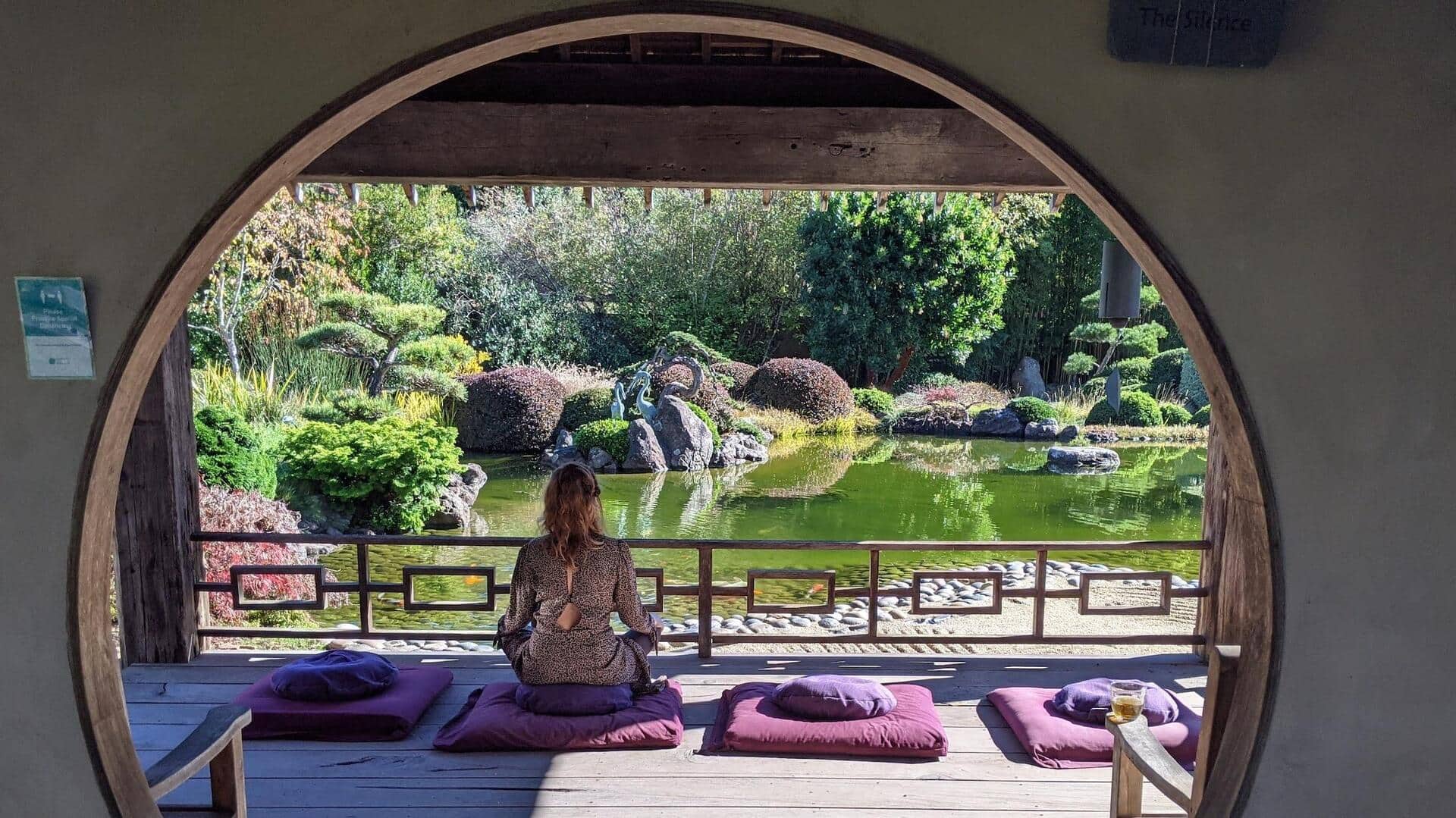
Creating a sensory meditation space has become a popular approach for individuals seeking to enhance relaxation and focus. This environment integrates elements that engage the senses, fostering mindfulness and tranquility. This article outlines practical strategies for establishing a meditation space tailored to visual, auditory, tactile, olfactory, and gustatory experiences.
Designing a Visual Retreat
Selecting calming colors is fundamental to establishing the mood of a meditation area. Shades such as soft blues, greens, and neutral tones contribute to a peaceful atmosphere. According to interior design experts, these colors are particularly effective in reducing stress levels. Painting walls, choosing cushions, or displaying artwork in these hues can significantly enhance the visual appeal of the space, making it more conducive to relaxation.
Enhancing Auditory and Tactile Experiences
Incorporating soothing sounds can profoundly impact the meditation experience. Gentle music, nature sounds, or white noise machines can mask disruptive noises, creating a serene auditory backdrop. This approach is especially beneficial for those aiming to immerse themselves in a focused environment.
The tactile elements of a sensory meditation space also play a crucial role. Incorporating soft cushions, textured rugs, and comfortable blankets can make the area inviting and cozy. These items not only enhance comfort but also encourage longer periods of meditation, making it easier to relax and concentrate.
Aromatherapy is another effective way to elevate the meditation experience. Utilizing essential oils such as lavender or eucalyptus in diffusers or candles can fill the space with calming scents, known for their stress-relieving properties. Engaging the sense of smell can help individuals achieve a deeper state of relaxation, essential for effective meditation.
Taste can further enrich the sensory experience. Having calming refreshments, like chamomile or peppermint tea, can enhance the overall practice. These flavors promote tranquility and can be enjoyed before or after meditation sessions, allowing for relaxation without disrupting the focus during practice.
By integrating these sensory elements into your meditation space, you can create a personalized retreat that enhances both relaxation and mindfulness. Whether you have a large room to work with or just a small corner, these insights can help transform any area into a tranquil oasis.

Albert Camus’ Insightful Quote on Human Identity Resurfaces

Drone Strikes and Missile Attacks Disrupt UAE Amid Rising Tensions

Japanese Yen Rises Sharply Against US Dollar Ahead of Key Decisions

Priyanka Chopra and Nick Jonas Avoid Near Miss en Route to Oscars

Gujarat Vaccinates Over 11 Lakh Infants in Major Health Drive

Alexandre Singh Wins Oscar, Celebrates Immigrant Heritage

Lok Sabha Speaker Issues Warning Over Placards in Parliament

Global Electrosurgical Devices Market Expands to $10.2 Billion by 2034

North Zone Dominates Cricket; SJAM-1 Shines in Table Tennis

SBI Announces QIP Floor Price at ₹811.05 Per Share

Cept Unveils ₹3.1 Crore Urban Mobility Plan for Sustainable Growth

Comparing Subscription Prices: Spotify, Apple Music, and YouTube Music in India

New Blood Group Discovered in South Indian Woman at Rotary Centre

Konkani Cultural Organisation to Host Pearl Jubilee in Abu Dhabi

Torrential Rains Cause Flash Flooding in New York and New Jersey

Nothing Headphone 1 Review: A Bold Contender in Audio Design

Air India Crash Investigation Highlights Boeing Fuel Switch Concerns

Broad Advocates for Bowling Change Ahead of Final Test Against India
-
 World1 year ago
SBI Announces QIP Floor Price at ₹811.05 Per Share
-
 Lifestyle1 year ago
Cept Unveils ₹3.1 Crore Urban Mobility Plan for Sustainable Growth
-
 Science1 year ago
Comparing Subscription Prices: Spotify, Apple Music, and YouTube Music in India
-
 Science1 year ago
New Blood Group Discovered in South Indian Woman at Rotary Centre
-
 Top Stories1 year ago
Konkani Cultural Organisation to Host Pearl Jubilee in Abu Dhabi
-
 World1 year ago
Torrential Rains Cause Flash Flooding in New York and New Jersey
-
 Science1 year ago
Nothing Headphone 1 Review: A Bold Contender in Audio Design
-
 Top Stories1 year ago
Air India Crash Investigation Highlights Boeing Fuel Switch Concerns
-
 Sports1 year ago
Broad Advocates for Bowling Change Ahead of Final Test Against India
-

 Business1 year ago
Indian Stock Market Rebounds: Sensex and Nifty Rise After Four-Day Decline
-

 Sports1 year ago
Cristian Totti Retires at 19: Pressure of Fame Takes Toll
-

 Politics1 year ago
Abandoned Doberman Finds New Home After Journey to Prague