
Health
Smoothies and Liquid Diets: A Vital Approach for Throat Cancer Care

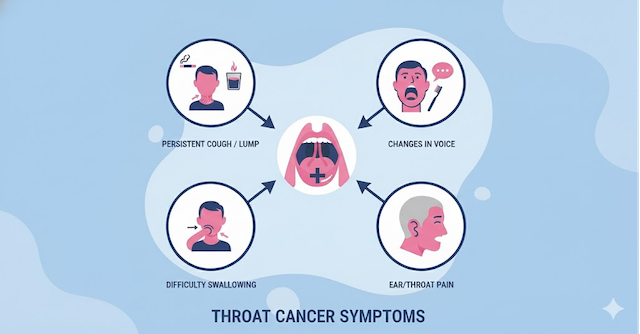
Radiation therapy is a crucial component in treating throat cancer, yet it often presents challenges that hinder patients from maintaining proper nutrition. Common side effects include pain while swallowing, throat soreness, dryness, and fatigue, which can escalate as treatment progresses. For many patients, solid foods become difficult to consume, increasing the risk of malnutrition and weight loss. In these circumstances, focusing on liquid nutrition becomes essential to ensure adequate calorie intake, essential nutrients, and hydration.
Why Liquid Nutrition is Essential During Radiation Therapy
Radiation targeting the throat and neck can inflame sensitive tissues and diminish saliva production. This condition may lead to mucositis, dryness, and pain, making chewing and swallowing exceedingly difficult. As a result, patients often consume less food or avoid it altogether. Liquid and semi-liquid diets can address these issues effectively by:
– Minimizing the need for chewing
– Easing passage through an irritated throat
– Providing concentrated nutrition in an easily digestible form
– Supporting hydration, which is particularly crucial during treatment
Smoothies, blended soups, and other liquid meals can be tailored in consistency, temperature, and flavor to align with a patient’s daily comfort levels.
Nutritional Goals for Throat Cancer Patients
During radiation therapy, nutritional requirements often increase, even if the appetite is diminished. The primary objectives of a liquid diet include:
– Preventing unintended weight loss
– Preserving muscle mass
– Supporting tissue repair and immune function
– Reducing feelings of fatigue
– Maintaining adequate hydration
To achieve these goals, smoothies should comprise a balanced mix of carbohydrates, proteins, healthy fats, and micronutrients, rather than relying solely on fruits or fluids.
Choosing gentle ingredients is vital for patients undergoing radiation therapy. Foods that are soft, non-irritating, and easy to swallow can alleviate throat discomfort.
1. **Fruits That Are Usually Well Tolerated**:
– Banana
– Papaya
– Stewed apple
– Pear
– Blueberries (fully blended and strained if necessary)
Citrus fruits and very sour options should be avoided if they cause irritation.
2. **Vegetables Suitable for Blending**:
– Pumpkin
– Carrot
– Bottle gourd
– Spinach (lightly cooked)
Cooking softens fiber and minimizes throat irritation.
3. **Protein Sources for Healing and Strength**:
– Milk or lactose-free alternatives
– Curd or yogurt
– Well-blended paneer
– Small amounts of nut butters
– Protein supplements, advised by a healthcare professional
4. **Healthy Fats to Increase Calories Without Volume**:
– Peanut or almond butter
– Ground flaxseeds
– Well-soaked chia seeds
– A small amount of olive oil
These fats can enhance caloric intake without increasing meal volume.
5. **Smoothie and Liquid Diet Ideas**:
– **Banana, Oats, and Peanut Butter Smoothie**: A calorie-dense option providing sustained energy.
– **Papaya and Yogurt Soothing Smoothie**: Gentle on the throat and beneficial for digestion.
– **High-Calorie Almond and Date Smoothie**: Ideal for patients facing weight loss.
– **Vegetable and Dal Soup**: A savory alternative for those who prefer non-sweet flavors.
All blends should be smooth, lump-free, and ideally consumed lukewarm.
Hydration and Temperature Considerations
Radiation therapy can lead to dry mouth and thick saliva, making hydration essential for comfort and reducing infection risk. Effective hydration options include:
– Plain water in small sips
– Coconut water
– Clear vegetable broths
– Diluted smoothies
It is advisable to avoid very hot, very cold, or carbonated beverages if they exacerbate throat pain.
Certain foods and textures should also be avoided during treatment, including:
– Acidic juices
– Spicy or heavily seasoned items
– Grainy or coarse textures
– Thick, sticky preparations
Smooth, well-blended, and mildly flavored foods are generally the best tolerated.
Medical and nutritional monitoring is crucial throughout radiation therapy. Patients may experience changes in nutritional needs based on side effects and treatment responses. Coordination between the oncology team and specialists is necessary to ensure that nutrition plans remain safe and supportive.
Managing throat cancer effectively involves more than just tumor control. Attention to comfort, nutrition, hydration, and emotional well-being is crucial during recovery. At specialized facilities such as the Onco-Life Cancer Centre, patients undergoing radiation therapy receive comprehensive supportive care, which addresses treatment side effects while helping them maintain strength, dignity, and quality of life.
In conclusion, while radiation therapy for throat cancer can significantly impact eating habits, nutrition remains a fundamental aspect of care. Smoothies and liquid diets provide a gentle, adaptable approach to meet nutritional needs when swallowing becomes challenging. With careful ingredient selection and consistent intake, patients can better manage symptoms, sustain energy levels, and navigate treatment with greater comfort and resilience.

Albert Camus’ Insightful Quote on Human Identity Resurfaces

Drone Strikes and Missile Attacks Disrupt UAE Amid Rising Tensions

Japanese Yen Rises Sharply Against US Dollar Ahead of Key Decisions

Priyanka Chopra and Nick Jonas Avoid Near Miss en Route to Oscars

Gujarat Vaccinates Over 11 Lakh Infants in Major Health Drive

Alexandre Singh Wins Oscar, Celebrates Immigrant Heritage

Lok Sabha Speaker Issues Warning Over Placards in Parliament

Global Electrosurgical Devices Market Expands to $10.2 Billion by 2034

North Zone Dominates Cricket; SJAM-1 Shines in Table Tennis

SBI Announces QIP Floor Price at ₹811.05 Per Share

Cept Unveils ₹3.1 Crore Urban Mobility Plan for Sustainable Growth

New Blood Group Discovered in South Indian Woman at Rotary Centre

Konkani Cultural Organisation to Host Pearl Jubilee in Abu Dhabi

Torrential Rains Cause Flash Flooding in New York and New Jersey

Nothing Headphone 1 Review: A Bold Contender in Audio Design

Indian Stock Market Rebounds: Sensex and Nifty Rise After Four-Day Decline

Air India Crash Investigation Highlights Boeing Fuel Switch Concerns

Broad Advocates for Bowling Change Ahead of Final Test Against India
-
 World12 months ago
SBI Announces QIP Floor Price at ₹811.05 Per Share
-
 Lifestyle12 months ago
Cept Unveils ₹3.1 Crore Urban Mobility Plan for Sustainable Growth
-
 Science12 months ago
New Blood Group Discovered in South Indian Woman at Rotary Centre
-
 Top Stories12 months ago
Konkani Cultural Organisation to Host Pearl Jubilee in Abu Dhabi
-
 World12 months ago
Torrential Rains Cause Flash Flooding in New York and New Jersey
-
 Science12 months ago
Nothing Headphone 1 Review: A Bold Contender in Audio Design
-
 Business12 months ago
Indian Stock Market Rebounds: Sensex and Nifty Rise After Four-Day Decline
-
 Top Stories12 months ago
Air India Crash Investigation Highlights Boeing Fuel Switch Concerns
-
 Sports12 months ago
Broad Advocates for Bowling Change Ahead of Final Test Against India
-

 Sports12 months ago
Cristian Totti Retires at 19: Pressure of Fame Takes Toll
-

 Politics12 months ago
Abandoned Doberman Finds New Home After Journey to Prague
-

 Lifestyle12 months ago
Villagers Unite to Raise ₹45 Lakh for Water Solutions in Vadgam