
Entertainment
Goalpariya Folk Music Thrives Amid Authenticity Challenges

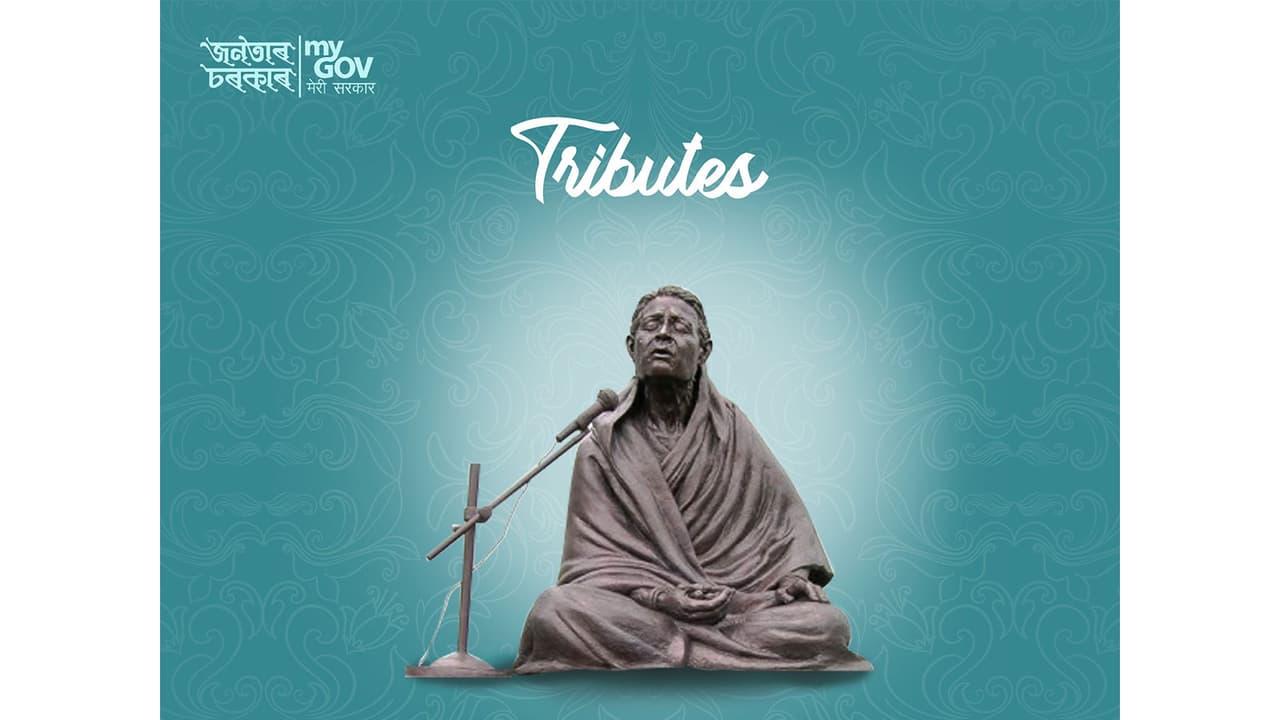
Goalpariya folk music, a vibrant art form originating from the courtyards and riverbanks of undivided Goalpara, is experiencing a resurgence, expanding its reach beyond its traditional roots. While the genre finds new audiences across Assam and beyond, concerns about maintaining its authenticity are becoming increasingly prominent. This delicate balance was discussed by Punam Barua, a member of the Gauripur royal family and relative of the esteemed folk singer Padma Shri Pratima Barua Pandey, whose legacy continues to influence the genre.
During a recent conversation, Barua highlighted the positive developments surrounding the music’s growth. “The fact that Goalpariya folk music has broken boundaries is a very positive development,” she stated. “But the concern is when people deviate from its originality, mostly unknowingly.” Historically, Goalpariya folk music was primarily confined to the regions of present-day Goalpara, Dhubri, and Kokrajhar districts, as well as parts of North Bengal. Over the years, however, the art form has gained traction beyond its original geographical limits.
Barua noted that the interest in Goalpariya folk music from artists outside the region is encouraging. Yet, she expressed concern over potential misinterpretations of the music’s cultural nuances. “People from Dhubri, Gauripur, Kokrajhar, or North Bengal speak the local Kamatapuri language in their day-to-day lives. For them, the pronunciation, tonality, and emotional connection come naturally,” she explained. Those unfamiliar with this cultural context may struggle to capture these subtleties.
Royal Family’s Role in Popularizing Folk Music
The evolution of Goalpariya folk music from rural settings to formal stages can be largely attributed to the Barua family of Gauripur. Punam Barua traced this journey back to her grandfather, Prabhat Barua, a zamindar and classical artist who challenged the notion that folk music was inferior. He began inviting local folk artists to perform in his courtyard, which became the first informal stage for this genre.
This legacy was further enhanced by Pramatesh Barua, Prabhat’s son, who integrated Goalpariya folk songs into Indian cinema in the 1930s, broadening its audience. However, it was Pratima Barua Pandey who significantly amplified the genre’s reach, dedicating her life to promoting this music despite facing societal challenges.
Punam Barua recounted how Pratima Barua Pandey, inspired by the folk songs sung by elephant keepers, pursued her passion with determination. Supported by her father, Prakritish Barua, she introduced Goalpariya folk music to platforms such as All India Radio and various stages across India, overcoming initial resistance even from broadcasting officials who struggled to categorize her work.
Bhupen Hazarika’s Influence and Future Prospects
A pivotal moment in the recognition of Goalpariya folk music came through the intervention of the late Bharat Ratna Bhupen Hazarika, who played a crucial role in defining its identity. “Earlier, it was called ‘Deshigeet’—songs of the soil,” said Punam Barua, adding that Hazarika advocated for a distinct designation, leading to the adoption of the term ‘Goalpariya’ folk music. His support included performing alongside Pratima Barua Pandey and recording songs that preserved their originality.
Pratima Barua Pandey’s contributions were recognized when she received the Sangeet Natak Akademi Award in 1988 and the Padma Shri in 1991. Throughout her career, she focused on maintaining the authenticity of the music, often collaborating with local masters to ensure that folk songs were documented as they were traditionally sung. Despite her royal lineage, she lived a modest life, deeply connected to the local community and their experiences.
Today, the legacy continues with her younger sister, Parbati Barua, who was awarded the Padma Shri in 2024, becoming India’s first female elephant mahout.
As interest in learning Goalpariya folk music grows, Punam Barua emphasizes the importance of proper education. “Performing arts have been introduced as a subject in several colleges,” she noted, highlighting BN College in Dhubri as a key institution. However, she cautioned against the limitations of short-term workshops, asserting that genuine understanding of folk art requires immersion in the culture.
Goalpariya folk music encompasses various life experiences, from lullabies to songs reflecting the hardships faced by mahouts, fishermen, and farmers. Traditional instruments such as the dhol, junuka, and dotara are integral to these performances, lending authenticity and depth to the narratives.
The future of Goalpariya folk music is set to be further secured with the establishment of a heritage museum at the Matiabag Palace in Gauripur. Built between 1904 and 1914, the palace is being transformed into a space that will celebrate the region’s cultural legacy, including the contributions of Pratima Barua Pandey and the Gauripur royal family. The Assam government commenced renovation work on January 2, 2023, with plans to open the museum in 2026.
As the story of Goalpariya folk music continues to unfold, its blend of tradition and modernity will challenge artists and audiences alike to navigate the complexities of cultural preservation while embracing new opportunities for growth.

Albert Camus’ Insightful Quote on Human Identity Resurfaces

Drone Strikes and Missile Attacks Disrupt UAE Amid Rising Tensions

Japanese Yen Rises Sharply Against US Dollar Ahead of Key Decisions

Priyanka Chopra and Nick Jonas Avoid Near Miss en Route to Oscars

Gujarat Vaccinates Over 11 Lakh Infants in Major Health Drive

Alexandre Singh Wins Oscar, Celebrates Immigrant Heritage

Lok Sabha Speaker Issues Warning Over Placards in Parliament

Global Electrosurgical Devices Market Expands to $10.2 Billion by 2034

North Zone Dominates Cricket; SJAM-1 Shines in Table Tennis

SBI Announces QIP Floor Price at ₹811.05 Per Share

Cept Unveils ₹3.1 Crore Urban Mobility Plan for Sustainable Growth

Comparing Subscription Prices: Spotify, Apple Music, and YouTube Music in India

New Blood Group Discovered in South Indian Woman at Rotary Centre

Konkani Cultural Organisation to Host Pearl Jubilee in Abu Dhabi

Torrential Rains Cause Flash Flooding in New York and New Jersey

Nothing Headphone 1 Review: A Bold Contender in Audio Design

Broad Advocates for Bowling Change Ahead of Final Test Against India

Air India Crash Investigation Highlights Boeing Fuel Switch Concerns
-
 World1 year ago
SBI Announces QIP Floor Price at ₹811.05 Per Share
-
 Lifestyle1 year ago
Cept Unveils ₹3.1 Crore Urban Mobility Plan for Sustainable Growth
-
 Science12 months ago
Comparing Subscription Prices: Spotify, Apple Music, and YouTube Music in India
-
 Science1 year ago
New Blood Group Discovered in South Indian Woman at Rotary Centre
-
 Top Stories1 year ago
Konkani Cultural Organisation to Host Pearl Jubilee in Abu Dhabi
-
 World1 year ago
Torrential Rains Cause Flash Flooding in New York and New Jersey
-
 Science1 year ago
Nothing Headphone 1 Review: A Bold Contender in Audio Design
-
 Sports1 year ago
Broad Advocates for Bowling Change Ahead of Final Test Against India
-
 Top Stories1 year ago
Air India Crash Investigation Highlights Boeing Fuel Switch Concerns
-

 Business1 year ago
Indian Stock Market Rebounds: Sensex and Nifty Rise After Four-Day Decline
-

 Sports1 year ago
Cristian Totti Retires at 19: Pressure of Fame Takes Toll
-

 Politics1 year ago
Abandoned Doberman Finds New Home After Journey to Prague