
Business
RBI Urges NBFCs to Enhance Risk Monitoring and Underwriting

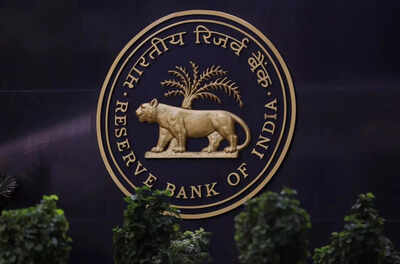
The Reserve Bank of India (RBI) has issued a renewed warning to non-banking financial companies (NBFCs), urging them to tighten their underwriting processes and closely monitor associated risks. This directive, issued during a meeting in Mumbai on Monday, is the third such caution in just eight days, highlighting the RBI’s growing concerns regarding the financial stability of these institutions.
Emphasis on Risk Management and Ethical Practices
The RBI convened with managing directors and CEOs from various NBFCs, including government-owned firms, housing finance companies, and microfinance institutions. During the meeting, RBI Governor Shaktikanta Das emphasized the essential role NBFCs play in credit transmission within the economy. He stressed the necessity for these companies to adhere to sound underwriting standards, closely track their asset quality, and engage in customer-centric, ethical practices.
Governor Das also called for responsible lending and prompt grievance redressal mechanisms to maintain customer confidence and ensure orderly growth in the sector. The concerns raised align with risks previously identified in the RBI’s Trend and Progress of Banking report and the latest Financial Stability Report, released on December 31.
Funding Vulnerabilities and Asset Quality Concerns
The Financial Stability Report highlighted that funding dependence remains a significant vulnerability for NBFCs. According to the report, these institutions are heavily reliant on bank borrowings, which poses contagion risks between the banking sector and NBFCs. It stated, “NBFCs remain heavily dependent on bank borrowings, creating contagion risks between the two sectors.”
Moreover, the report indicated a rising concentration risk, with banks acquiring nearly 80% of securitized assets from a limited number of NBFCs. This scenario creates a “correlated risk,” where financial stress at a few large originators could adversely impact multiple banks.
Current asset quality indicators present mixed signals. Segments like microfinance continue to exhibit signs of stress, while the rapid expansion of fintech-led unsecured lending has drawn increased scrutiny. The report noted, “Fintech firms have seen rapid growth in unsecured personal loans,” particularly highlighting the higher impairment rates observed in small-ticket loans (up to Rs 50,000) and among borrowers with loans from multiple lenders.
In summary, the RBI’s latest meeting with NBFC leaders serves as a critical reminder of the need for rigorous risk management and ethical lending practices. As the financial landscape evolves, the emphasis on maintaining asset quality and mitigating risks will remain paramount for the overall stability of the sector.

Albert Camus’ Insightful Quote on Human Identity Resurfaces

Drone Strikes and Missile Attacks Disrupt UAE Amid Rising Tensions

Japanese Yen Rises Sharply Against US Dollar Ahead of Key Decisions

Priyanka Chopra and Nick Jonas Avoid Near Miss en Route to Oscars

Gujarat Vaccinates Over 11 Lakh Infants in Major Health Drive

Alexandre Singh Wins Oscar, Celebrates Immigrant Heritage

Lok Sabha Speaker Issues Warning Over Placards in Parliament

Global Electrosurgical Devices Market Expands to $10.2 Billion by 2034

North Zone Dominates Cricket; SJAM-1 Shines in Table Tennis

SBI Announces QIP Floor Price at ₹811.05 Per Share

Cept Unveils ₹3.1 Crore Urban Mobility Plan for Sustainable Growth

Comparing Subscription Prices: Spotify, Apple Music, and YouTube Music in India

New Blood Group Discovered in South Indian Woman at Rotary Centre

Konkani Cultural Organisation to Host Pearl Jubilee in Abu Dhabi

Torrential Rains Cause Flash Flooding in New York and New Jersey

Nothing Headphone 1 Review: A Bold Contender in Audio Design

Air India Crash Investigation Highlights Boeing Fuel Switch Concerns

Broad Advocates for Bowling Change Ahead of Final Test Against India
-
 World1 year ago
SBI Announces QIP Floor Price at ₹811.05 Per Share
-
 Lifestyle1 year ago
Cept Unveils ₹3.1 Crore Urban Mobility Plan for Sustainable Growth
-
 Science1 year ago
Comparing Subscription Prices: Spotify, Apple Music, and YouTube Music in India
-
 Science1 year ago
New Blood Group Discovered in South Indian Woman at Rotary Centre
-
 Top Stories1 year ago
Konkani Cultural Organisation to Host Pearl Jubilee in Abu Dhabi
-
 World1 year ago
Torrential Rains Cause Flash Flooding in New York and New Jersey
-
 Science1 year ago
Nothing Headphone 1 Review: A Bold Contender in Audio Design
-
 Top Stories1 year ago
Air India Crash Investigation Highlights Boeing Fuel Switch Concerns
-
 Sports1 year ago
Broad Advocates for Bowling Change Ahead of Final Test Against India
-

 Business1 year ago
Indian Stock Market Rebounds: Sensex and Nifty Rise After Four-Day Decline
-

 Sports1 year ago
Cristian Totti Retires at 19: Pressure of Fame Takes Toll
-

 Politics1 year ago
Abandoned Doberman Finds New Home After Journey to Prague