
Business
India Transforms into a Global Hub for Capability Centres

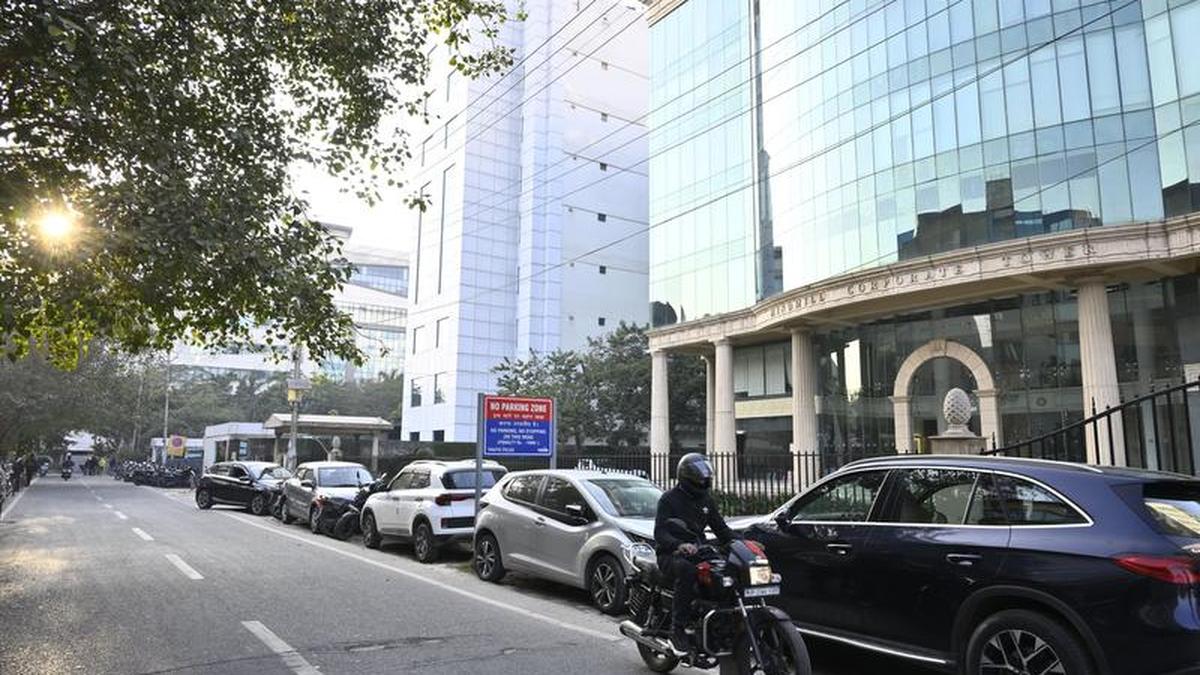
India has solidified its position as a leading destination for Global Capability Centres (GCCs), with over 1,800 centres established nationwide. The trend is accelerating, with estimates suggesting that a new GCC opens in the country every week. This growth is largely driven by the availability of a skilled, English-speaking workforce and the competitive salary structures offered by these centres.
The origins of this shift can be traced back to 1984, when Texas Instruments set up its operation in Bangalore. A photograph from that time shows wooden crates being unloaded from a bullock cart, marking the beginning of India’s transformation into a significant player in the information technology sector. Over the past 40 years, Texas Instruments has been recognized as one of the first GCCs in India, emphasizing the nation’s growing importance in global business operations.
According to Jitin Prasada, Minister of State for Electronics and IT, the revenue generated by GCCs in India surged from $40.4 billion in fiscal year 2019 to $64.6 billion in fiscal year 2024, reflecting a compound annual growth rate of 9.8%. This rapid growth aligns with changing geopolitical realities, as traditional avenues for skilled Indian workers to migrate to countries like the United States have become more restrictive.
Sangeeta Gupta, senior vice-president at Nasscom, highlighted that while mobility issues are a challenge, GCCs now present a viable alternative for talented professionals. Many mid-level and senior-level employees see these centres as attractive options, allowing them to remain in India while contributing to multinational companies.
The appeal of working at a GCC is evident, with competitive salaries and better working conditions compared to traditional domestic jobs. Employees, such as Gayathri Subramonian from Staples, Inc., appreciate the generous leave policies and flat organizational structures that these centres offer. The firm recently established an office in Chennai, focusing on innovation and technology solutions, demonstrating how global brands are leveraging Indian talent despite having no consumer-facing presence in the country.
Prominent companies like Target and Rakuten have also made significant investments in their Indian operations. Target employs over 4,000 people in its Bengaluru GCC, while Rakuten’s office in Domlur houses over 1,700 employees. This influx of international firms has been further accelerated by the COVID-19 pandemic, which prompted a rapid increase in GCC establishment across India.
As companies increasingly seek to tap into India’s talent pool, state governments are keen to attract foreign investment. Tamil Nadu, for example, has initiated taxpayer-funded organizations to facilitate business operations for GCCs, showcasing a shift from the regulatory challenges faced by early entrants like Texas Instruments.
The modern concept of GCCs reflects a departure from traditional “back office” roles. With the term evolving from “captive centres” to “Global In-house Centres,” and now to “GCCs,” there is a growing recognition that these facilities offer much more than cost-effective labor. Sangeeta Gupta notes that GCCs are now focused on building deep capabilities in areas such as finance, accounting, cybersecurity, and artificial intelligence.
Support services for GCCs are also on the rise, with companies like ANSR Global providing essential consulting and operational assistance. According to co-founder Smitha Hemmigae, these firms prioritize value in their setups, often achieving 25-30% better productivity by hiring experienced professionals.
While GCCs offer high-value opportunities for skilled workers, concerns remain regarding their long-term impact on the local economy. Journalist and political advisor Sanjaya Baru warns that while GCCs provide lucrative jobs, they may inadvertently sustain the dominance of U.S. firms. He expresses concern that if these companies reduce their investments in India, the skills acquired may not benefit the local industry as hoped.
Despite these challenges, the GCC landscape remains vibrant. Alouk Kumar, founder of Inductus, estimates that GCC employees earn between ₹1.2 lakh and ₹1.5 lakh monthly, positioning them among the top earners in India. With an average of around 1,100 employees per centre, this trend is set to adapt as smaller firms seek to establish operations with reduced overhead.
As the GCC model continues to evolve, industry leaders are contemplating further rebranding. The term “global innovation hubs” is gaining traction, emphasizing the strategic role these centres play in advancing technology and business processes.
In summary, India is emerging as a pivotal hub for Global Capability Centres, driven by a robust talent pool and evolving industry needs. While challenges remain, the potential for growth and innovation within this sector is significant, marking a new chapter in the country’s economic narrative.

Albert Camus’ Insightful Quote on Human Identity Resurfaces

Drone Strikes and Missile Attacks Disrupt UAE Amid Rising Tensions

Japanese Yen Rises Sharply Against US Dollar Ahead of Key Decisions

Priyanka Chopra and Nick Jonas Avoid Near Miss en Route to Oscars

Gujarat Vaccinates Over 11 Lakh Infants in Major Health Drive

Alexandre Singh Wins Oscar, Celebrates Immigrant Heritage

Lok Sabha Speaker Issues Warning Over Placards in Parliament

Global Electrosurgical Devices Market Expands to $10.2 Billion by 2034

North Zone Dominates Cricket; SJAM-1 Shines in Table Tennis

SBI Announces QIP Floor Price at ₹811.05 Per Share

Cept Unveils ₹3.1 Crore Urban Mobility Plan for Sustainable Growth

Comparing Subscription Prices: Spotify, Apple Music, and YouTube Music in India

New Blood Group Discovered in South Indian Woman at Rotary Centre

Konkani Cultural Organisation to Host Pearl Jubilee in Abu Dhabi

Torrential Rains Cause Flash Flooding in New York and New Jersey

Nothing Headphone 1 Review: A Bold Contender in Audio Design

Air India Crash Investigation Highlights Boeing Fuel Switch Concerns

Broad Advocates for Bowling Change Ahead of Final Test Against India
-
 World1 year ago
SBI Announces QIP Floor Price at ₹811.05 Per Share
-
 Lifestyle1 year ago
Cept Unveils ₹3.1 Crore Urban Mobility Plan for Sustainable Growth
-
 Science1 year ago
Comparing Subscription Prices: Spotify, Apple Music, and YouTube Music in India
-
 Science1 year ago
New Blood Group Discovered in South Indian Woman at Rotary Centre
-
 Top Stories1 year ago
Konkani Cultural Organisation to Host Pearl Jubilee in Abu Dhabi
-
 World1 year ago
Torrential Rains Cause Flash Flooding in New York and New Jersey
-
 Science1 year ago
Nothing Headphone 1 Review: A Bold Contender in Audio Design
-
 Top Stories1 year ago
Air India Crash Investigation Highlights Boeing Fuel Switch Concerns
-
 Sports1 year ago
Broad Advocates for Bowling Change Ahead of Final Test Against India
-

 Business1 year ago
Indian Stock Market Rebounds: Sensex and Nifty Rise After Four-Day Decline
-

 Sports1 year ago
Cristian Totti Retires at 19: Pressure of Fame Takes Toll
-

 Politics1 year ago
Abandoned Doberman Finds New Home After Journey to Prague