
Business
Credit Cards May Inflate Costs for International Travelers

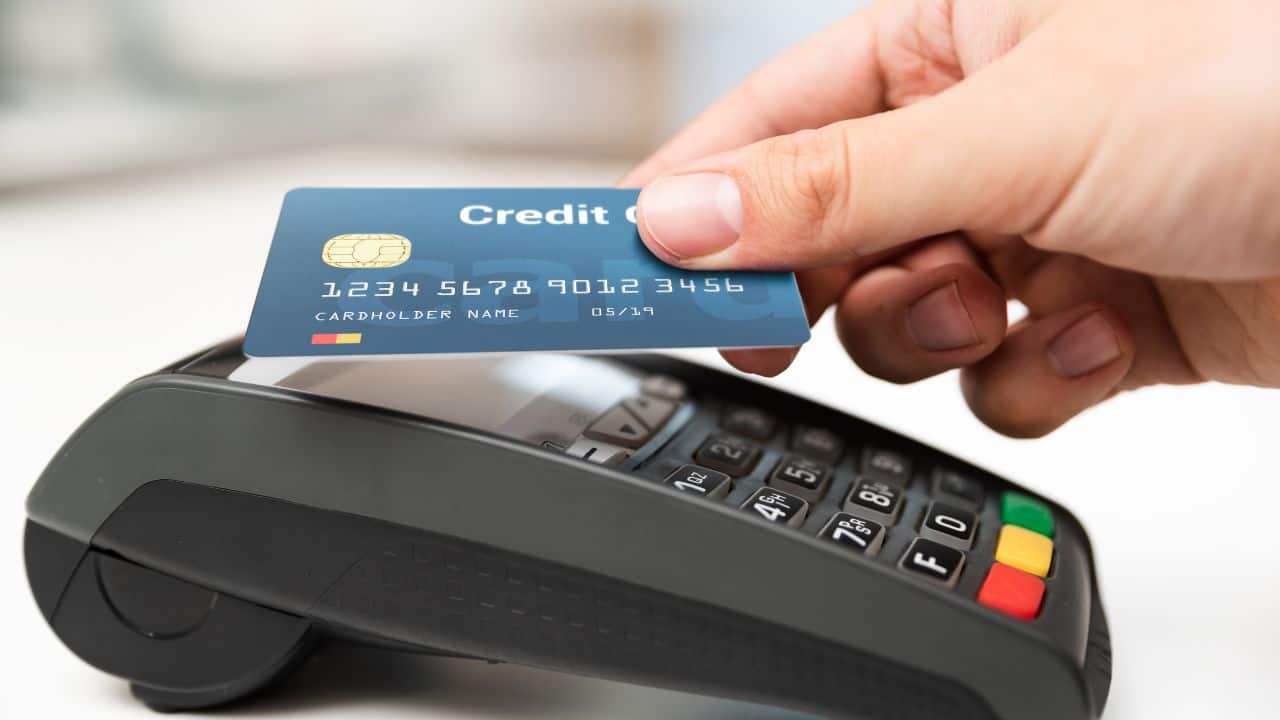
Travelers often find that their expenses increase unexpectedly when using credit cards abroad. While these cards are essential for securing accommodations and handling deposits, they can also introduce additional foreign transaction fees that inflate overall costs. Understanding the best payment methods can significantly impact a traveler’s budget.
Understanding Currency Options
Foreign exchange (forex) cards present a viable alternative. These cards allow users to lock in exchange rates before their trip, minimizing the risk of fluctuating currency values. Financial experts recommend forex cards for their lower fees compared to traditional credit cards. They can help travelers avoid the surprise of additional charges that often accompany international purchases.
According to a recent analysis, credit card companies frequently impose foreign transaction fees ranging from 1% to 3% on purchases made outside the home country. For example, a traveler spending $1,000 on a credit card could incur an extra charge of up to $30 just for using the card abroad. This adds to the already rising costs of travel and can significantly affect a vacation budget.
The Balance Between Convenience and Cost
Despite the potential fees, credit cards remain crucial for many travelers. They are often required for hotel reservations and security deposits, providing a level of convenience that forex cards may not offer. Additionally, they can provide benefits such as travel insurance and fraud protection, making them a necessary tool for international travel.
Many travelers opt for a combination of both cards to strike a balance between convenience and cost efficiency. Utilizing a forex card for day-to-day expenses while maintaining a credit card for reservations can offer a flexible solution. This strategy not only provides cost certainty but also ensures that travelers have access to funds when needed.
The choice of payment method ultimately depends on individual needs and travel plans. By understanding the differences between forex and credit cards, travelers can make more informed decisions that align with their financial goals.
In summary, while credit cards are indispensable for certain aspects of travel, they can also lead to increased expenditures. Exploring options such as forex cards can help mitigate these costs, allowing travelers to focus on enjoying their journeys rather than worrying about rising expenses.

Albert Camus’ Insightful Quote on Human Identity Resurfaces

Drone Strikes and Missile Attacks Disrupt UAE Amid Rising Tensions

Japanese Yen Rises Sharply Against US Dollar Ahead of Key Decisions

Priyanka Chopra and Nick Jonas Avoid Near Miss en Route to Oscars

Gujarat Vaccinates Over 11 Lakh Infants in Major Health Drive

Alexandre Singh Wins Oscar, Celebrates Immigrant Heritage

Lok Sabha Speaker Issues Warning Over Placards in Parliament

Global Electrosurgical Devices Market Expands to $10.2 Billion by 2034

North Zone Dominates Cricket; SJAM-1 Shines in Table Tennis

SBI Announces QIP Floor Price at ₹811.05 Per Share

Cept Unveils ₹3.1 Crore Urban Mobility Plan for Sustainable Growth

New Blood Group Discovered in South Indian Woman at Rotary Centre

Konkani Cultural Organisation to Host Pearl Jubilee in Abu Dhabi

Torrential Rains Cause Flash Flooding in New York and New Jersey

Nothing Headphone 1 Review: A Bold Contender in Audio Design

Indian Stock Market Rebounds: Sensex and Nifty Rise After Four-Day Decline

Air India Crash Investigation Highlights Boeing Fuel Switch Concerns

Broad Advocates for Bowling Change Ahead of Final Test Against India
-
 World12 months ago
SBI Announces QIP Floor Price at ₹811.05 Per Share
-
 Lifestyle12 months ago
Cept Unveils ₹3.1 Crore Urban Mobility Plan for Sustainable Growth
-
 Science12 months ago
New Blood Group Discovered in South Indian Woman at Rotary Centre
-
 Top Stories12 months ago
Konkani Cultural Organisation to Host Pearl Jubilee in Abu Dhabi
-
 World12 months ago
Torrential Rains Cause Flash Flooding in New York and New Jersey
-
 Science12 months ago
Nothing Headphone 1 Review: A Bold Contender in Audio Design
-
 Business12 months ago
Indian Stock Market Rebounds: Sensex and Nifty Rise After Four-Day Decline
-
 Top Stories12 months ago
Air India Crash Investigation Highlights Boeing Fuel Switch Concerns
-
 Sports12 months ago
Broad Advocates for Bowling Change Ahead of Final Test Against India
-

 Sports12 months ago
Cristian Totti Retires at 19: Pressure of Fame Takes Toll
-

 Politics12 months ago
Abandoned Doberman Finds New Home After Journey to Prague
-

 Lifestyle12 months ago
Villagers Unite to Raise ₹45 Lakh for Water Solutions in Vadgam