
Business
Chevron Pursues West Qurna 2 Oilfield, Seeks Better Terms

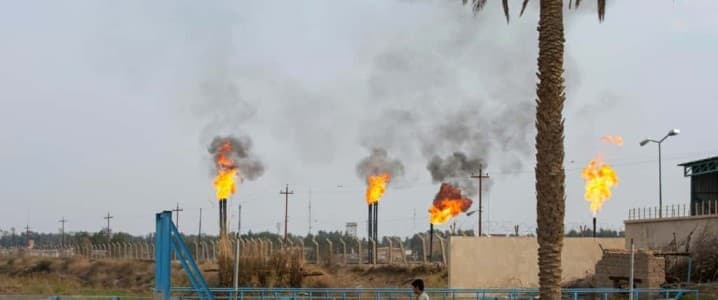
The Iraqi government has temporarily assumed control of the West Qurna 2 oilfield, one of the country’s largest, following U.S. sanctions against Russia’s Lukoil. This field, which produces over 400,000 barrels per day and accounts for 10% of Iraq’s total oil production, is now under the management of the state-run Basra Oil Company. The shift in control comes as Lukoil announced plans to divest all international assets due to its inability to operate the field amid sanctions.
Lukoil, which held a 75% equity stake in West Qurna 2, has found its operations halted as a result of the sanctions implemented following Russia’s actions in Ukraine. In an effort to attract new investors, the Iraqi government is now negotiating with Chevron, a major U.S. oil company, to take over the operatorship of the field. However, Chevron is reportedly seeking improved financial returns before finalizing any agreement.
Negotiations Over West Qurna 2 Continue
The negotiations between Chevron and the Iraqi government have been ongoing for several weeks, with both parties discussing key aspects of the potential deal. According to the Iraqi Oil Ministry, “The negotiations are still ongoing, with many details remaining under discussion.” One of the most critical factors in these talks is the returns Chevron would receive from operating West Qurna 2.
Chevron’s interest in Iraq is evident, as it signed an agreement last year to develop the Nasiriyah Project and other oilfields in the region. Iraq, the second-largest producer in OPEC and the seventh-largest globally, is seen as a significant opportunity for expansion. However, Chevron is cautious about its investments, prioritizing projects that offer strong financial returns.
Iraq has recently revised its contract structures for newly awarded oilfields, shifting from traditional technical service contracts to profit-sharing agreements. This change aims to enhance the appeal of Iraqi oilfields to international firms. Under profit-sharing contracts, foreign companies receive a portion of the revenue after accounting for royalty and cost recovery expenses, contrasting with the previous model that provided a flat rate per barrel produced.
Shifts in Iraq’s Oil Contract Landscape
The previous technical service contracts, which governed West Qurna 2 under Lukoil, were viewed as unappealing by many foreign investors. These contracts typically offered lower returns, particularly in times of rising oil prices when production costs also increased. Industry sources indicated that the returns under Lukoil’s operatorship were among the smallest in Iraq, prompting Chevron to insist on better terms before assuming control.
The Iraqi government’s move to profit-sharing contracts reflects a broader strategy to attract investment from major oil companies. By improving contract terms, Baghdad aims to bolster its oil and gas sector, which is crucial for the country’s economy. As negotiations with Chevron continue, the outcome remains pivotal not only for the future of West Qurna 2 but also for Iraq’s ambitions to enhance its production capacity and financial sustainability in the global oil market.
With ongoing discussions and a changing regulatory landscape, the focus remains on the financial terms that will ultimately define the relationship between Chevron and the Iraqi government in the management of one of the world’s largest conventional oilfields.

Albert Camus’ Insightful Quote on Human Identity Resurfaces

Drone Strikes and Missile Attacks Disrupt UAE Amid Rising Tensions

Japanese Yen Rises Sharply Against US Dollar Ahead of Key Decisions

Priyanka Chopra and Nick Jonas Avoid Near Miss en Route to Oscars

Gujarat Vaccinates Over 11 Lakh Infants in Major Health Drive

Alexandre Singh Wins Oscar, Celebrates Immigrant Heritage

Lok Sabha Speaker Issues Warning Over Placards in Parliament

Global Electrosurgical Devices Market Expands to $10.2 Billion by 2034

North Zone Dominates Cricket; SJAM-1 Shines in Table Tennis

SBI Announces QIP Floor Price at ₹811.05 Per Share

Cept Unveils ₹3.1 Crore Urban Mobility Plan for Sustainable Growth

Comparing Subscription Prices: Spotify, Apple Music, and YouTube Music in India

New Blood Group Discovered in South Indian Woman at Rotary Centre

Konkani Cultural Organisation to Host Pearl Jubilee in Abu Dhabi

Torrential Rains Cause Flash Flooding in New York and New Jersey

Nothing Headphone 1 Review: A Bold Contender in Audio Design

Air India Crash Investigation Highlights Boeing Fuel Switch Concerns

Broad Advocates for Bowling Change Ahead of Final Test Against India
-
 World1 year ago
SBI Announces QIP Floor Price at ₹811.05 Per Share
-
 Lifestyle1 year ago
Cept Unveils ₹3.1 Crore Urban Mobility Plan for Sustainable Growth
-
 Science1 year ago
Comparing Subscription Prices: Spotify, Apple Music, and YouTube Music in India
-
 Science1 year ago
New Blood Group Discovered in South Indian Woman at Rotary Centre
-
 Top Stories1 year ago
Konkani Cultural Organisation to Host Pearl Jubilee in Abu Dhabi
-
 World1 year ago
Torrential Rains Cause Flash Flooding in New York and New Jersey
-
 Science1 year ago
Nothing Headphone 1 Review: A Bold Contender in Audio Design
-
 Top Stories1 year ago
Air India Crash Investigation Highlights Boeing Fuel Switch Concerns
-
 Sports1 year ago
Broad Advocates for Bowling Change Ahead of Final Test Against India
-

 Business1 year ago
Indian Stock Market Rebounds: Sensex and Nifty Rise After Four-Day Decline
-

 Sports1 year ago
Cristian Totti Retires at 19: Pressure of Fame Takes Toll
-

 Politics1 year ago
Abandoned Doberman Finds New Home After Journey to Prague