
Top Stories
Kerala Study Reveals Hidden Dangers in Alternative Medicines


A recent study conducted by researchers in Kerala has raised serious concerns about the safety of alternative and traditional medicine products. Published in the journal Frontiers in Gastroenterology, the research analyzed 386 products used by patients who developed liver injuries after consuming various alternative medicines between 2021 and 2023. The findings indicate contamination with heavy metals, undisclosed pharmaceutical ingredients, and potentially toxic plant compounds.
The study focused on patients treated for liver injuries at a specialized liver center in Kerala. Many of the subjects had consumed remedies from systems such as Ayurveda, Homeopathy, Siddha, and Unani. On average, each patient had taken around four different products, targeting a range of health issues from hair loss to immune support. Alarmingly, approximately 40 percent of these patients experienced acute-on-chronic liver failure (ACLF), with a mortality rate of about 22 percent among all the studied cases.
Lead author Dr. Cyriac Abby Philips, a hepatology specialist known on social media as “LiverDoc,” described this research as the most extensive analytical study investigating the adverse effects of alternative medicine on liver health. “We have published the largest analytical study of Ayurveda, Homeopathy, Siddha, Unani, and folk-traditional medicinal products that have harmed patients presenting with liver damage,” he stated.
Research associate Arif Hussain, who collaborated with Dr. Philips, emphasized that the data collection concluded in 2023, yet they continue to observe patients with liver damage linked to alternative medicine use. The study established a direct correlation between liver injuries and the use of these alternative medicines through a diagnosis of exclusion and temporal association.
Uncovering Contaminants and Hidden Ingredients
The researchers did not rely on the now-obsolete RUCAM scoring system, as many patients used multiple products simultaneously, making the assessment unreliable. Instead, they focused on the contents of the 386 alternative medicine products, identifying harmful elements such as heavy metals and undisclosed pharmaceutical components.
One concerning finding was that around 27.7 percent of the tested products contained hidden drugs, including corticosteroids and painkillers like nimesulide, which has been restricted in several countries due to safety issues. The study revealed that patients who consumed unlabelled products—those lacking ingredient lists, batch numbers, or manufacturer details—had nearly double the mortality rate compared to those who consumed labelled alternatives.
Laboratory analyses showed significant levels of toxic heavy metals in many products, exceeding World Health Organization safety limits. Specifically, mercury was found in 34 percent of products, cadmium in 25 percent, arsenic in 21 percent, and lead in 14 percent. Products from the Siddha system exhibited the highest levels of lead and arsenic contamination.
Cadmium exposure demonstrated a strong association with severe outcomes, with 76 percent of patients exposed to unsafe cadmium levels developing ACLF, compared to 23 percent of those not exposed. Hussain noted that cadmium was an “unexpected finding,” given the typical focus on other heavy metals.
Concerns Over Regulatory Oversight
Experts in traditional medicine advise caution in interpreting the study’s conclusions. Professor Anupam Shrivastava, Head of the Department of Rasa Shastra & Bhaishajya Kalpana at the National Institute of Ayurveda, pointed out that adverse outcomes are more likely due to poorly manufactured or misbranded products rather than the inherent toxicity of well-formulated medicines. He stressed that the study did not specify the forms or quantities of the products consumed, which limits the ability to independently verify the findings.
The government has responded to safety concerns by enhancing monitoring of adverse reactions linked to alternative medicines through a national pharmacovigilance system. Vaidya Rajesh Kotecha, Secretary of the Ministry of Ayush, stated that a three-tier pharmacovigilance network has been established to track adverse drug reactions and misleading advertisements.
Despite these efforts, Hussain highlighted challenges in identifying links between complications and the medicines consumed. Patients often do not return to their practitioners for reporting issues, complicating the tracking of adverse reactions.
The study raises broader regulatory concerns regarding traditional and herbal medicines in India. Paradoxically, regulated Ayurvedic formulations showed a higher contamination rate compared to unlabelled products, which indicates that regulatory classification does not guarantee pharmaceutical purity.
The regulatory framework for Ayush drugs, established under the Drugs & Cosmetics Act of 1940, includes requirements for safety, quality, and proof of efficacy. Yet, Hussain pointed out that many alternative medicines enter the market with less stringent requirements than modern pharmaceuticals, allowing contamination and undisclosed ingredients to remain undetected.
As discussions about the safety and regulation of traditional medicines continue, the study emphasizes the need for stronger quality standards and mandatory traceability in the production of alternative medicines. Dr. Hemant Bhargav from the National Institute of Mental Health and Neuro Sciences stressed that the focus should be on improving regulatory practices rather than abandoning traditional medicine altogether.
This study not only identifies significant problems in the supply chain and regulatory implementation but also advocates for better oversight to protect consumers.

Albert Camus’ Insightful Quote on Human Identity Resurfaces

Drone Strikes and Missile Attacks Disrupt UAE Amid Rising Tensions

Japanese Yen Rises Sharply Against US Dollar Ahead of Key Decisions

Priyanka Chopra and Nick Jonas Avoid Near Miss en Route to Oscars

Gujarat Vaccinates Over 11 Lakh Infants in Major Health Drive

Alexandre Singh Wins Oscar, Celebrates Immigrant Heritage

Lok Sabha Speaker Issues Warning Over Placards in Parliament

Global Electrosurgical Devices Market Expands to $10.2 Billion by 2034

North Zone Dominates Cricket; SJAM-1 Shines in Table Tennis

SBI Announces QIP Floor Price at ₹811.05 Per Share

Cept Unveils ₹3.1 Crore Urban Mobility Plan for Sustainable Growth

New Blood Group Discovered in South Indian Woman at Rotary Centre

Konkani Cultural Organisation to Host Pearl Jubilee in Abu Dhabi

Torrential Rains Cause Flash Flooding in New York and New Jersey

Nothing Headphone 1 Review: A Bold Contender in Audio Design

Indian Stock Market Rebounds: Sensex and Nifty Rise After Four-Day Decline

Air India Crash Investigation Highlights Boeing Fuel Switch Concerns

Broad Advocates for Bowling Change Ahead of Final Test Against India
-
 World12 months ago
SBI Announces QIP Floor Price at ₹811.05 Per Share
-
 Lifestyle12 months ago
Cept Unveils ₹3.1 Crore Urban Mobility Plan for Sustainable Growth
-
 Science12 months ago
New Blood Group Discovered in South Indian Woman at Rotary Centre
-
 Top Stories12 months ago
Konkani Cultural Organisation to Host Pearl Jubilee in Abu Dhabi
-
 World12 months ago
Torrential Rains Cause Flash Flooding in New York and New Jersey
-
 Science12 months ago
Nothing Headphone 1 Review: A Bold Contender in Audio Design
-
 Business12 months ago
Indian Stock Market Rebounds: Sensex and Nifty Rise After Four-Day Decline
-
 Top Stories12 months ago
Air India Crash Investigation Highlights Boeing Fuel Switch Concerns
-
 Sports12 months ago
Broad Advocates for Bowling Change Ahead of Final Test Against India
-

 Sports12 months ago
Cristian Totti Retires at 19: Pressure of Fame Takes Toll
-

 Politics12 months ago
Abandoned Doberman Finds New Home After Journey to Prague
-
 Lifestyle12 months ago
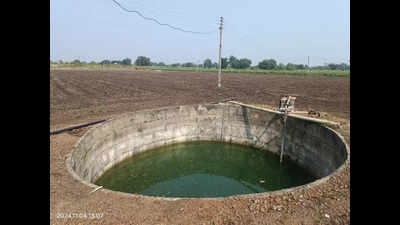
Villagers Unite to Raise ₹45 Lakh for Water Solutions in Vadgam