
Top Stories
US Allies and Rivals in Asia Brace for Middle East Fallout

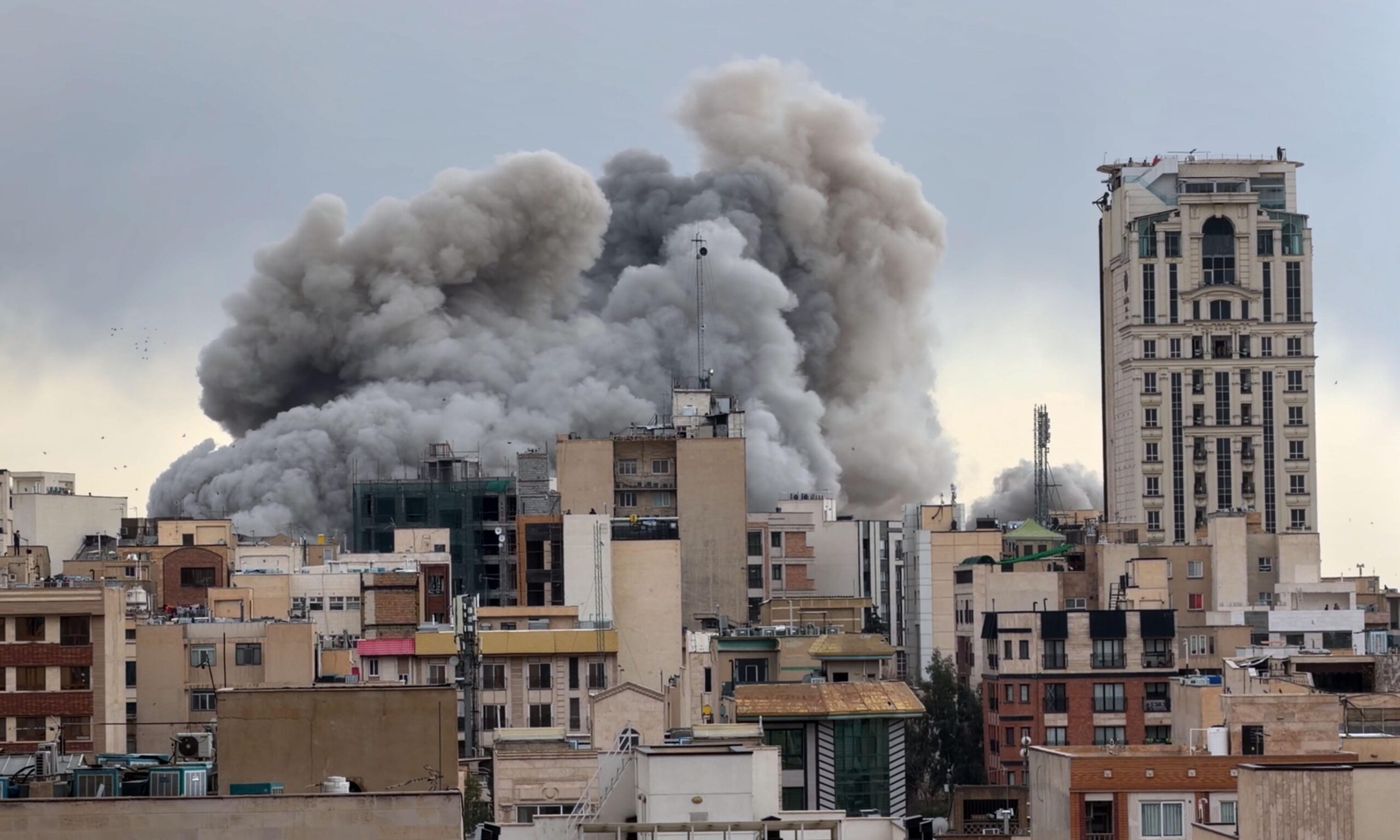
As conflict escalates in the Middle East, nations across Asia are assessing the potential repercussions, including economic instability and long-term security threats. The implications are particularly significant for US allies and rivals in the region, notably North and South Korea, Japan, and China.
North Korea’s Nuclear Ambitions Intensify
North Korean leader Kim Jong Un reaffirmed the nation’s commitment to its nuclear program during a key political conference in February 2023. He characterized this pursuit as the “correct” choice, a sentiment likely reinforced by the recent US-Israeli attacks on Iran. The strikes, which resulted in the death of Iran’s supreme leader, have heightened North Korea’s concerns regarding its own security.
The North Korean Foreign Ministry condemned the US actions, labeling them as illegal and a “most despicable” violation of sovereignty, notably omitting any mention of Ayatollah Ali Khamenei‘s death. According to Hong Min, an analyst at South Korea’s Institute for National Unification, military actions against North Korea would be fraught with challenges, particularly given its established nuclear capabilities.
North Korea’s arsenal includes numerous warheads and a variety of delivery systems, posing a direct threat to US allies in Asia. A preemptive strike on North Korea would likely fail to neutralize its nuclear capabilities and could result in retaliatory attacks on South Korea, Japan, or even targets in the United States. Recently, Kim showcased military advancements by inspecting sea trials of a new warship and testing what state media described as nuclear-capable cruise missiles.
South Korea and Japan Assess Risks
In South Korea, the ongoing conflict in the Middle East has raised significant concerns regarding the stability of energy supplies. The Strait of Hormuz, a vital passage through which approximately one-fifth of global oil trade transits, is now under threat due to Iranian military actions. South Korea’s economy, heavily reliant on trade and imported fuel, faces potential repercussions from these developments.
There is growing unease in Seoul about its alliance with the United States, particularly given the Trump administration’s willingness to act unilaterally. While the US has long guaranteed military support for South Korea, including nuclear protection, the risk of being drawn into broader conflicts is now a pressing concern. Hong emphasized the importance of South Korea clearly defining its potential responses to various scenarios, particularly in light of US actions regarding North Korea and Taiwan.
Japan, another key US ally, shares these sentiments. Prime Minister Sanae Takaichi and senior officials have expressed support for US efforts to negotiate with Iran but have refrained from endorsing military strikes. As Tokyo contemplates the implications of the conflict, there are fears of how it may affect Japan’s security amid rising threats from both North Korea and China.
Some experts argue that the situation could empower Takaichi’s calls for a stronger military and expanded defense capabilities. While debates over Japan acquiring nuclear weapons have resurfaced, domestic support for such measures remains limited due to legal and political challenges.
China’s Strategic Positioning
For China, the ongoing conflict in the Middle East presents both challenges and opportunities. Chinese analysts suggest that Beijing may seek to enhance its role as a power broker in the region, positioning itself as a more reliable alternative to the United States. This strategic positioning may be motivated by perceptions that US military actions in Venezuela and Iran are aimed at countering China’s influence.
China has been actively expanding trade and technology ties with Gulf states, recently brokering a significant agreement between Iran and Saudi Arabia in March 2023. Such diplomatic efforts are part of a broader strategy to increase China’s global influence and challenge existing financial systems reliant on the US dollar. Nevertheless, experts caution that a prolonged conflict could harm China’s trade interests, prompting Beijing to closely observe US military capabilities and potentially accelerate the integration of artificial intelligence into its military operations.
As tensions continue to grow in the Middle East, the responses from Asia’s key players will shape the geopolitical landscape in the region and beyond. The implications of these developments will likely resonate through diplomatic negotiations and military strategies in the months to come.

Albert Camus’ Insightful Quote on Human Identity Resurfaces

Drone Strikes and Missile Attacks Disrupt UAE Amid Rising Tensions

Japanese Yen Rises Sharply Against US Dollar Ahead of Key Decisions

Priyanka Chopra and Nick Jonas Avoid Near Miss en Route to Oscars

Gujarat Vaccinates Over 11 Lakh Infants in Major Health Drive

Alexandre Singh Wins Oscar, Celebrates Immigrant Heritage

Lok Sabha Speaker Issues Warning Over Placards in Parliament

Global Electrosurgical Devices Market Expands to $10.2 Billion by 2034

North Zone Dominates Cricket; SJAM-1 Shines in Table Tennis

SBI Announces QIP Floor Price at ₹811.05 Per Share

Cept Unveils ₹3.1 Crore Urban Mobility Plan for Sustainable Growth

New Blood Group Discovered in South Indian Woman at Rotary Centre

Konkani Cultural Organisation to Host Pearl Jubilee in Abu Dhabi

Torrential Rains Cause Flash Flooding in New York and New Jersey

Nothing Headphone 1 Review: A Bold Contender in Audio Design

Air India Crash Investigation Highlights Boeing Fuel Switch Concerns

Indian Stock Market Rebounds: Sensex and Nifty Rise After Four-Day Decline

Broad Advocates for Bowling Change Ahead of Final Test Against India
-
 World1 year ago
SBI Announces QIP Floor Price at ₹811.05 Per Share
-
 Lifestyle1 year ago
Cept Unveils ₹3.1 Crore Urban Mobility Plan for Sustainable Growth
-
 Science12 months ago
New Blood Group Discovered in South Indian Woman at Rotary Centre
-
 Top Stories1 year ago
Konkani Cultural Organisation to Host Pearl Jubilee in Abu Dhabi
-
 World1 year ago
Torrential Rains Cause Flash Flooding in New York and New Jersey
-
 Science1 year ago
Nothing Headphone 1 Review: A Bold Contender in Audio Design
-
 Top Stories1 year ago
Air India Crash Investigation Highlights Boeing Fuel Switch Concerns
-
 Business1 year ago
Indian Stock Market Rebounds: Sensex and Nifty Rise After Four-Day Decline
-
 Sports12 months ago
Broad Advocates for Bowling Change Ahead of Final Test Against India
-

 Sports12 months ago
Cristian Totti Retires at 19: Pressure of Fame Takes Toll
-

 Politics1 year ago
Abandoned Doberman Finds New Home After Journey to Prague
-
 Lifestyle1 year ago
Villagers Unite to Raise ₹45 Lakh for Water Solutions in Vadgam