
Politics
Russia Warns NATO: Troop Deployment in Ukraine Risks Conflict

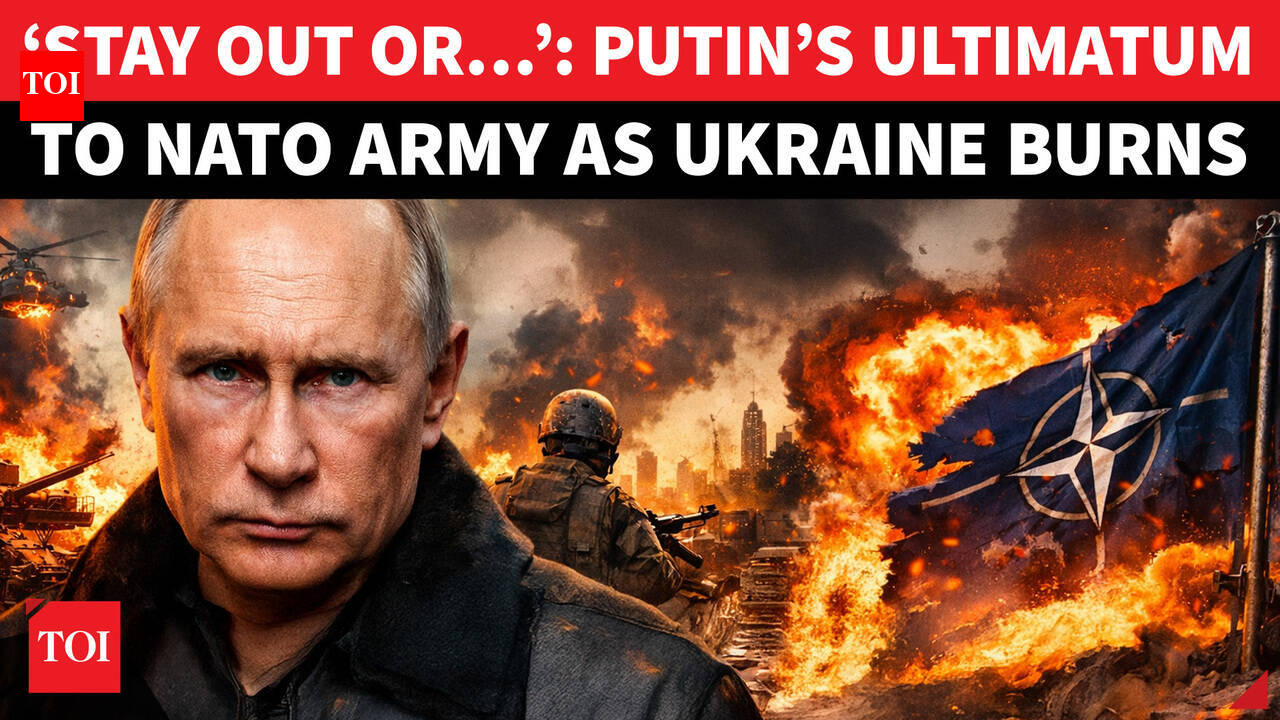
Russia has issued a stark warning to NATO regarding the deployment of coalition forces in Ukraine, a country currently embroiled in conflict. Maria Zakhrova, spokesperson for the Russian Foreign Ministry, stated that any military presence by NATO would be deemed “legitimate military targets.” This statement underscores the heightened tensions surrounding NATO’s involvement in the ongoing crisis.
In a recent address to the Ukrainian parliament, NATO Secretary General Mark Rutte outlined the alliance’s readiness to mobilize troops, aircraft, and naval vessels in the Black Sea region once a ceasefire agreement is finalized. Rutte emphasized that NATO’s commitment to Ukraine remains strong, stating there would be “troops on the ground, jets in the air, ships on the Black Sea,” signaling a robust military posture in support of Ukraine.
Zakhrova’s comments reflect Russia’s deep concerns over NATO’s potential expansion into Eastern Europe. The implication is clear: any deployment could escalate existing tensions and lead to further conflict. This situation is particularly critical as both NATO and Russia navigate a complex geopolitical landscape.
Escalating Tensions and Diplomatic Responses
The ongoing dialogue between Russia and Ukraine, aimed at achieving a peaceful resolution, has been overshadowed by these military threats. As both sides consider their next steps, the international community is closely monitoring the situation. The fear of a broader conflict looms large, particularly if NATO follows through with its military commitments.
Russia’s warning comes at a time when diplomatic efforts are fragile. The conflict in Ukraine has already resulted in significant military and civilian casualties, and any further escalation could have dire consequences for regional stability. The deployment of NATO forces would not only alter the military dynamics on the ground but could also provoke a strong military response from Russia.
In light of these developments, the need for sustained diplomatic engagement is more crucial than ever. The potential for a ceasefire remains a priority, but achieving it requires a delicate balance of power and mutual concessions from both sides.
The Global Implications of NATO’s Military Presence
The ramifications of NATO’s military presence in Ukraine extend beyond the immediate region. European security is at stake, and the alliance’s actions could redefine the strategic landscape of Eastern Europe. For NATO, supporting Ukraine is a matter of principle, emphasizing collective defense and deterrence against perceived threats.
As nations assess the implications of Zakhrova’s statements, the stakes become clearer. The prospect of conflict could not only destabilize Ukraine but also ripple through Europe, affecting alliances and economic ties. The situation demands careful navigation to avoid a miscalculation that could lead to widespread confrontation.
In conclusion, as Russia and NATO engage in this high-stakes dialogue, the world watches closely. The potential for conflict remains a significant concern, and the focus on achieving a lasting peace is paramount. The next steps taken by both NATO and Russia will be critical in shaping the future of European security and the ongoing crisis in Ukraine.

Albert Camus’ Insightful Quote on Human Identity Resurfaces

Drone Strikes and Missile Attacks Disrupt UAE Amid Rising Tensions

Japanese Yen Rises Sharply Against US Dollar Ahead of Key Decisions

Priyanka Chopra and Nick Jonas Avoid Near Miss en Route to Oscars

Gujarat Vaccinates Over 11 Lakh Infants in Major Health Drive

Alexandre Singh Wins Oscar, Celebrates Immigrant Heritage

Lok Sabha Speaker Issues Warning Over Placards in Parliament

Global Electrosurgical Devices Market Expands to $10.2 Billion by 2034

North Zone Dominates Cricket; SJAM-1 Shines in Table Tennis

SBI Announces QIP Floor Price at ₹811.05 Per Share

Cept Unveils ₹3.1 Crore Urban Mobility Plan for Sustainable Growth

New Blood Group Discovered in South Indian Woman at Rotary Centre

Konkani Cultural Organisation to Host Pearl Jubilee in Abu Dhabi

Torrential Rains Cause Flash Flooding in New York and New Jersey

Nothing Headphone 1 Review: A Bold Contender in Audio Design

Indian Stock Market Rebounds: Sensex and Nifty Rise After Four-Day Decline

Air India Crash Investigation Highlights Boeing Fuel Switch Concerns

Broad Advocates for Bowling Change Ahead of Final Test Against India
-
 World12 months ago
SBI Announces QIP Floor Price at ₹811.05 Per Share
-
 Lifestyle12 months ago
Cept Unveils ₹3.1 Crore Urban Mobility Plan for Sustainable Growth
-
 Science12 months ago
New Blood Group Discovered in South Indian Woman at Rotary Centre
-
 Top Stories12 months ago
Konkani Cultural Organisation to Host Pearl Jubilee in Abu Dhabi
-
 World12 months ago
Torrential Rains Cause Flash Flooding in New York and New Jersey
-
 Science12 months ago
Nothing Headphone 1 Review: A Bold Contender in Audio Design
-
 Business12 months ago
Indian Stock Market Rebounds: Sensex and Nifty Rise After Four-Day Decline
-
 Top Stories12 months ago
Air India Crash Investigation Highlights Boeing Fuel Switch Concerns
-
 Sports12 months ago
Broad Advocates for Bowling Change Ahead of Final Test Against India
-

 Sports12 months ago
Cristian Totti Retires at 19: Pressure of Fame Takes Toll
-

 Politics12 months ago
Abandoned Doberman Finds New Home After Journey to Prague
-

 Lifestyle12 months ago
Villagers Unite to Raise ₹45 Lakh for Water Solutions in Vadgam