
Business
India Set to Overtake Japan as Third-Largest Economy by 2026

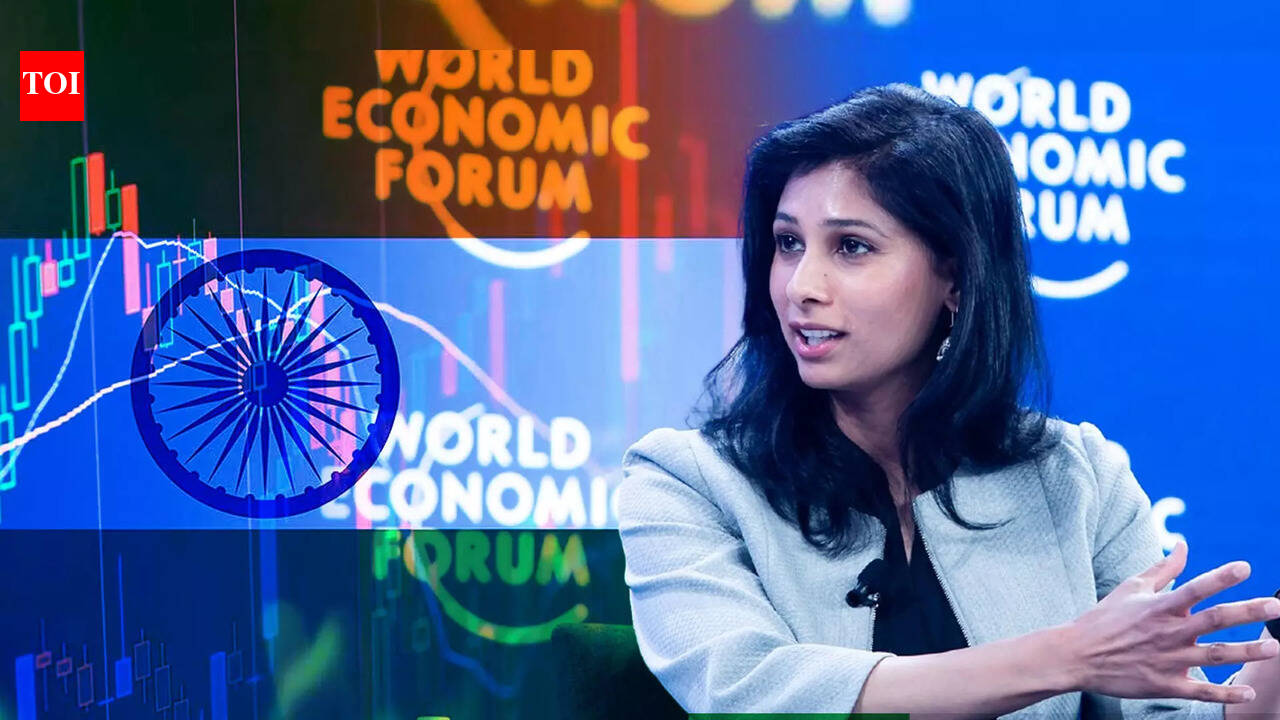
India is on track to surpass Japan and claim the title of the world’s third-largest economy in the near future, according to Gita Gopinath, Chief Economist of the International Monetary Fund (IMF). Speaking at the World Economic Forum 2026, Gopinath highlighted that while achieving this milestone is nearly certain, the greater challenge lies in enhancing per capita income and fulfilling India’s vision of becoming a developed nation by 2047.
In her address, Gopinath commended India for its significant reforms in infrastructure, taxation, and digital initiatives. These efforts have positioned the country for robust economic growth. However, she also identified several obstacles that need to be addressed. Issues such as land acquisition, constraints in the labor market, and delays in the judicial system could hinder progress if not properly managed.
Challenges to Sustaining Economic Growth
Gopinath emphasized the importance of enhancing labor flexibility and investing in human capital. She stressed that these factors are critical for maintaining India’s growth momentum. “To secure sustained long-term economic progress, India must continue implementing steady reforms,” she stated.
The focus on labor market reforms is particularly pertinent as India aims to leverage its demographic dividend. With a young workforce, the country has the potential to drive innovation and productivity, but this requires a commitment to skilling and reskilling workers.
Gopinath’s insights reflect a broader consensus among economists regarding India’s economic trajectory. The IMF has previously projected that India could achieve a GDP growth rate of over 6% annually in the coming years, bolstered by domestic consumption and investment.
India’s Economic Vision for 2047
Looking ahead, Gopinath pointed out that reaching the ambitious goals set for 2047 will not be easy. “While the economic size is one aspect, improving the quality of life for all citizens through higher per capita income is essential,” she remarked.
To realize this vision, India must navigate the complexities of economic reform while fostering an inclusive environment that supports entrepreneurship and innovation. The ongoing shift towards a digital economy offers opportunities, but it also necessitates robust regulatory frameworks to ensure equitable growth.
As India positions itself on the global economic stage, the coming years will be critical. The dialogue at the World Economic Forum 2026 underscores the importance of collaboration between government, industry, and international bodies to enhance India’s economic landscape. The IMF’s optimistic outlook and Gopinath’s call for continued reform serve as a rallying point for stakeholders aiming to achieve sustainable growth and development in the world’s largest democracy.

Albert Camus’ Insightful Quote on Human Identity Resurfaces

Drone Strikes and Missile Attacks Disrupt UAE Amid Rising Tensions

Japanese Yen Rises Sharply Against US Dollar Ahead of Key Decisions

Priyanka Chopra and Nick Jonas Avoid Near Miss en Route to Oscars

Gujarat Vaccinates Over 11 Lakh Infants in Major Health Drive

Alexandre Singh Wins Oscar, Celebrates Immigrant Heritage

Lok Sabha Speaker Issues Warning Over Placards in Parliament

Global Electrosurgical Devices Market Expands to $10.2 Billion by 2034

North Zone Dominates Cricket; SJAM-1 Shines in Table Tennis

SBI Announces QIP Floor Price at ₹811.05 Per Share

Cept Unveils ₹3.1 Crore Urban Mobility Plan for Sustainable Growth

Comparing Subscription Prices: Spotify, Apple Music, and YouTube Music in India

New Blood Group Discovered in South Indian Woman at Rotary Centre

Konkani Cultural Organisation to Host Pearl Jubilee in Abu Dhabi

Torrential Rains Cause Flash Flooding in New York and New Jersey

Nothing Headphone 1 Review: A Bold Contender in Audio Design

Air India Crash Investigation Highlights Boeing Fuel Switch Concerns

Broad Advocates for Bowling Change Ahead of Final Test Against India
-
 World1 year ago
SBI Announces QIP Floor Price at ₹811.05 Per Share
-
 Lifestyle1 year ago
Cept Unveils ₹3.1 Crore Urban Mobility Plan for Sustainable Growth
-
 Science1 year ago
Comparing Subscription Prices: Spotify, Apple Music, and YouTube Music in India
-
 Science1 year ago
New Blood Group Discovered in South Indian Woman at Rotary Centre
-
 Top Stories1 year ago
Konkani Cultural Organisation to Host Pearl Jubilee in Abu Dhabi
-
 World1 year ago
Torrential Rains Cause Flash Flooding in New York and New Jersey
-
 Science1 year ago
Nothing Headphone 1 Review: A Bold Contender in Audio Design
-
 Top Stories1 year ago
Air India Crash Investigation Highlights Boeing Fuel Switch Concerns
-
 Sports1 year ago
Broad Advocates for Bowling Change Ahead of Final Test Against India
-

 Business1 year ago
Indian Stock Market Rebounds: Sensex and Nifty Rise After Four-Day Decline
-

 Sports1 year ago
Cristian Totti Retires at 19: Pressure of Fame Takes Toll
-

 Politics1 year ago
Abandoned Doberman Finds New Home After Journey to Prague