
World
Pakistan Proposes Fighter Jet Deal to Saudi Arabia Amid Debt Crisis

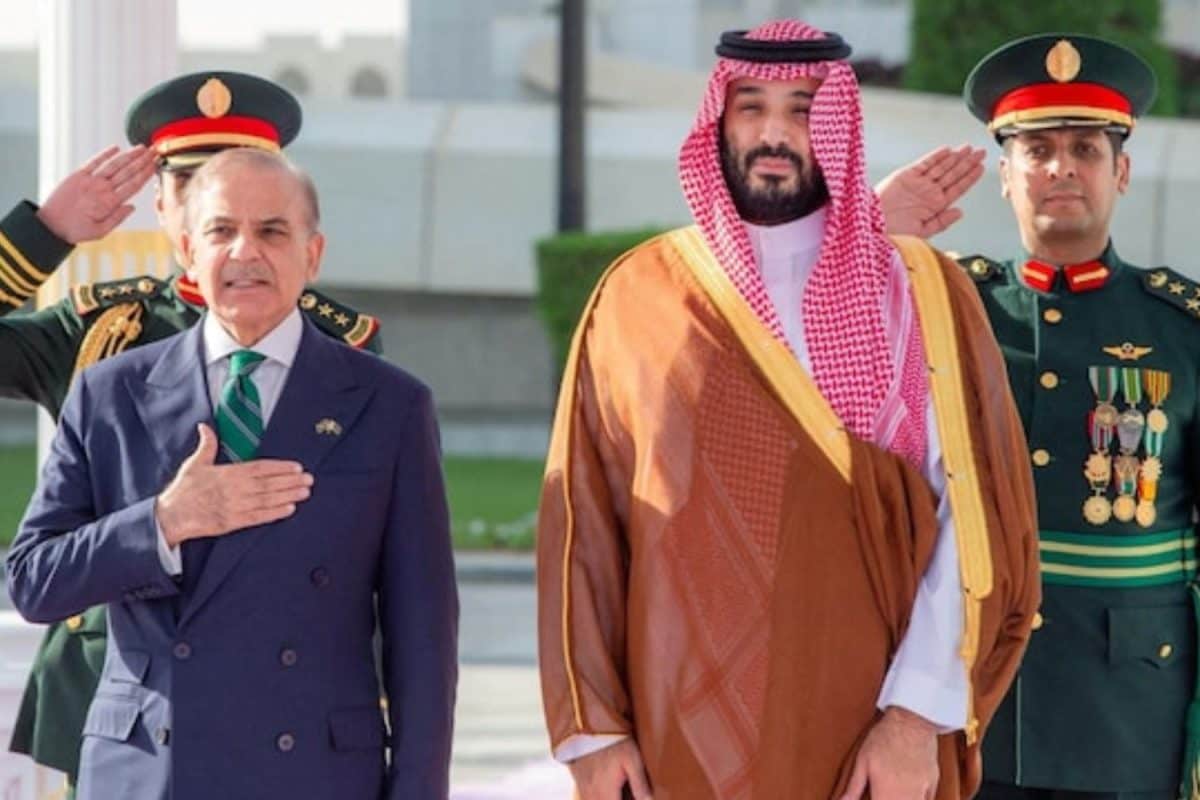
Pakistan is negotiating a significant military deal with Saudi Arabia as it faces a daunting economic crisis and struggles to meet its debt obligations. The proposed arrangement involves converting approximately $2 billion of Saudi loans into a deal for the JF-17 Thunder fighter jet, a multi-role aircraft developed in collaboration with China. This unconventional approach highlights the dire financial situation in Pakistan, which has heavily relied on loans from various countries, including Saudi Arabia and China.
As foreign exchange reserves dwindle and the country remains under an International Monetary Fund (IMF) bailout program, Pakistani officials are seeking alternatives to traditional cash repayments. Converting debt into military equipment presents a pragmatic solution. According to a Reuters report, two Pakistani sources indicated that the total value of the proposed deal could reach around $4 billion. This would offset the Saudi loan while also covering additional costs for weapons, electronic systems, spare parts, and pilot training.
Shifting Defence Partnerships
These negotiations unfold against a backdrop of evolving defence dynamics in the region. Saudi Arabia is reassessing its military partnerships, particularly in light of uncertainty regarding the future role of the United States in the Middle East. The kingdom is reportedly pursuing advanced F-35 fighter jets from the U.S., a move met with opposition from Israel. In this context, the JF-17 fighter jet represents a more affordable and accessible option for enhancing Saudi air power while diversifying its sources of military procurement.
The JF-17’s appeal has surged in recent years due to its lower operational costs and ease of maintenance compared to Western aircraft. Pakistan claims that the jet has been tested in combat situations, including during intense conflicts with India in 2022. The possible deal also aligns with Pakistan’s ambitions to transition from an aid-dependent nation to a defense exporter.
Pakistan’s recent defense agreements encompass discussions with six countries regarding the JF-17 and related technologies. In a notable development, last month, Pakistan finalized an arms deal worth over $4 billion with Libya’s Libyan National Army. Additionally, there have been talks with Bangladesh regarding potential JF-17 sales.
Historical Support from Saudi Arabia
Saudi Arabia has traditionally supported Pakistan during economic downturns. In 2018, the kingdom provided a $6 billion support package, which included a $3 billion deposit at Pakistan’s central bank and another $3 billion in oil supplies on deferred payment. These financial arrangements have been extended multiple times, including a $1.2 billion deferment last year, which has helped stabilize Pakistan’s foreign reserves.
The ongoing discussions between Pakistan and Saudi Arabia follow the signing of a mutual defense pact in September 2025, which marked a significant enhancement of their security relationship. This agreement established a framework where an attack on one nation would be considered an attack on the other, formalizing their longstanding military cooperation.
The implications of this proposed fighter jet deal could be far-reaching, not only alleviating some of Pakistan’s financial burdens but also strengthening its defense industry and international partnerships. Both nations remain engaged in high-level discussions, underscoring the evolving landscape of military alliances in the Middle East and South Asia.

Albert Camus’ Insightful Quote on Human Identity Resurfaces

Drone Strikes and Missile Attacks Disrupt UAE Amid Rising Tensions

Japanese Yen Rises Sharply Against US Dollar Ahead of Key Decisions

Priyanka Chopra and Nick Jonas Avoid Near Miss en Route to Oscars

Gujarat Vaccinates Over 11 Lakh Infants in Major Health Drive

Alexandre Singh Wins Oscar, Celebrates Immigrant Heritage

Lok Sabha Speaker Issues Warning Over Placards in Parliament

Global Electrosurgical Devices Market Expands to $10.2 Billion by 2034

North Zone Dominates Cricket; SJAM-1 Shines in Table Tennis

SBI Announces QIP Floor Price at ₹811.05 Per Share

Cept Unveils ₹3.1 Crore Urban Mobility Plan for Sustainable Growth

New Blood Group Discovered in South Indian Woman at Rotary Centre

Konkani Cultural Organisation to Host Pearl Jubilee in Abu Dhabi

Torrential Rains Cause Flash Flooding in New York and New Jersey

Nothing Headphone 1 Review: A Bold Contender in Audio Design

Indian Stock Market Rebounds: Sensex and Nifty Rise After Four-Day Decline

Air India Crash Investigation Highlights Boeing Fuel Switch Concerns

Broad Advocates for Bowling Change Ahead of Final Test Against India
-
 World12 months ago
SBI Announces QIP Floor Price at ₹811.05 Per Share
-
 Lifestyle12 months ago
Cept Unveils ₹3.1 Crore Urban Mobility Plan for Sustainable Growth
-
 Science12 months ago
New Blood Group Discovered in South Indian Woman at Rotary Centre
-
 Top Stories12 months ago
Konkani Cultural Organisation to Host Pearl Jubilee in Abu Dhabi
-
 World12 months ago
Torrential Rains Cause Flash Flooding in New York and New Jersey
-
 Science12 months ago
Nothing Headphone 1 Review: A Bold Contender in Audio Design
-
 Business12 months ago
Indian Stock Market Rebounds: Sensex and Nifty Rise After Four-Day Decline
-
 Top Stories12 months ago
Air India Crash Investigation Highlights Boeing Fuel Switch Concerns
-
 Sports12 months ago
Broad Advocates for Bowling Change Ahead of Final Test Against India
-

 Sports12 months ago
Cristian Totti Retires at 19: Pressure of Fame Takes Toll
-

 Politics12 months ago
Abandoned Doberman Finds New Home After Journey to Prague
-
 Lifestyle12 months ago
Villagers Unite to Raise ₹45 Lakh for Water Solutions in Vadgam