
World
Trump Proposes $1.5 Trillion Military Budget for 2027

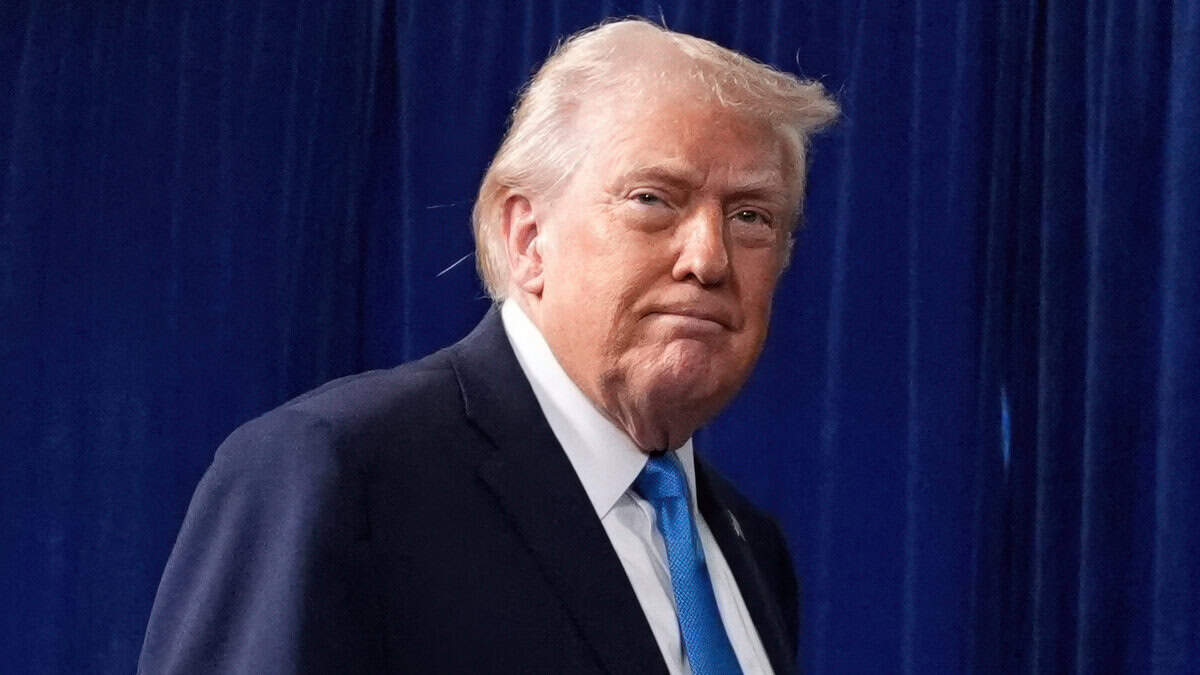
US President Donald J. Trump has announced a proposal to increase the country’s military budget to an unprecedented $1.5 trillion for fiscal year 2027. In a post shared on Truth Social, Trump described this substantial increase as essential for maintaining national security during what he termed “dangerous times.” The President’s announcement follows discussions with senators, members of Congress, and senior government officials.
Trump emphasized that the military budget should not remain at $1 trillion but should rise to $1.5 trillion. He articulated his vision of creating a “Dream Military” that would ensure the United States remains “safe and secure, regardless of foe.” He has linked the proposed budget increase to the revenue generated from tariffs imposed on other nations, claiming these tariffs have significantly boosted government income.
“If it weren’t for the tremendous numbers being produced by tariffs from other countries,” Trump stated, “I would stay at the $1 trillion number.” He criticized previous administrations for allowing foreign nations to take advantage of the United States economically and suggested that the current revenue levels from tariffs were previously “unthinkable.”
The President’s proposal did not detail how the $1.5 trillion would be allocated across various military programs, nor did he specify how he would secure Congressional approval for such a substantial budget increase.
Impact of Proposed Budget Increase
Trump has long advocated for higher defense spending, arguing that the US military requires extensive rebuilding and modernization. The suggested move to a $1.5 trillion budget would represent a significant escalation, raising concerns among lawmakers about the implications for national deficits and domestic priorities.
Military spending discussions have become increasingly urgent, influenced by factors such as rising tensions with China and Russia, the ongoing conflict in Ukraine, and instability in the Middle East. Additionally, advancements in technology, including cyber capabilities and artificial intelligence, have shifted the landscape of defense needs.
Trump asserted that the proposed military budget increase would not hinder the government’s ability to achieve other financial objectives. He claimed that the United States could enhance its military strength while still addressing its debt and providing “a substantial dividend to moderate-income patriots within our country.”
Legislative Process Ahead
Under US law, Congress holds the authority over federal spending, and any military budget proposal must undergo a lengthy approval process. The United States currently possesses the world’s largest defense budget, and the proposed increase would likely draw intense scrutiny from lawmakers across both parties.
As debates surrounding military spending continue to evolve, the implications of Trump’s proposal will reverberate throughout Congress and beyond. Stakeholders will need to carefully weigh the necessity of enhanced military funding against pressing domestic needs and fiscal responsibility.
Trump’s remarks signal a renewed push for increased military investment, setting the stage for a contentious discussion in the lead-up to the fiscal year 2027 budget negotiations.

Albert Camus’ Insightful Quote on Human Identity Resurfaces

Drone Strikes and Missile Attacks Disrupt UAE Amid Rising Tensions

Japanese Yen Rises Sharply Against US Dollar Ahead of Key Decisions

Priyanka Chopra and Nick Jonas Avoid Near Miss en Route to Oscars

Gujarat Vaccinates Over 11 Lakh Infants in Major Health Drive

Alexandre Singh Wins Oscar, Celebrates Immigrant Heritage

Lok Sabha Speaker Issues Warning Over Placards in Parliament

Global Electrosurgical Devices Market Expands to $10.2 Billion by 2034

North Zone Dominates Cricket; SJAM-1 Shines in Table Tennis

SBI Announces QIP Floor Price at ₹811.05 Per Share

Cept Unveils ₹3.1 Crore Urban Mobility Plan for Sustainable Growth

New Blood Group Discovered in South Indian Woman at Rotary Centre

Konkani Cultural Organisation to Host Pearl Jubilee in Abu Dhabi

Torrential Rains Cause Flash Flooding in New York and New Jersey

Nothing Headphone 1 Review: A Bold Contender in Audio Design

Indian Stock Market Rebounds: Sensex and Nifty Rise After Four-Day Decline

Air India Crash Investigation Highlights Boeing Fuel Switch Concerns

Broad Advocates for Bowling Change Ahead of Final Test Against India
-
 World12 months ago
SBI Announces QIP Floor Price at ₹811.05 Per Share
-
 Lifestyle12 months ago
Cept Unveils ₹3.1 Crore Urban Mobility Plan for Sustainable Growth
-
 Science12 months ago
New Blood Group Discovered in South Indian Woman at Rotary Centre
-
 Top Stories12 months ago
Konkani Cultural Organisation to Host Pearl Jubilee in Abu Dhabi
-
 World12 months ago
Torrential Rains Cause Flash Flooding in New York and New Jersey
-
 Science12 months ago
Nothing Headphone 1 Review: A Bold Contender in Audio Design
-
 Business12 months ago
Indian Stock Market Rebounds: Sensex and Nifty Rise After Four-Day Decline
-
 Top Stories12 months ago
Air India Crash Investigation Highlights Boeing Fuel Switch Concerns
-
 Sports12 months ago
Broad Advocates for Bowling Change Ahead of Final Test Against India
-

 Sports12 months ago
Cristian Totti Retires at 19: Pressure of Fame Takes Toll
-

 Politics12 months ago
Abandoned Doberman Finds New Home After Journey to Prague
-

 Lifestyle12 months ago
Villagers Unite to Raise ₹45 Lakh for Water Solutions in Vadgam