
Science
Vesugen: Exploring the Potential of a Tripeptide in Research

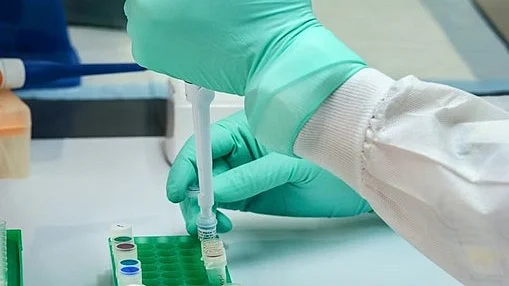
Recent research highlights the tripeptide Lysine–Glutamic Acid–Aspartic Acid, commonly known as KED or under the trade name Vesugen. This synthetic peptide has garnered attention for its potential roles in vascular endothelial regulation, cellular aging, metabolic homeostasis, and neurovascular integration. This article aims to provide a comprehensive overview of the current understanding of Vesugen, exploring its mechanisms, applications in various domains of research, and future investigative directions.
Molecular Characteristics and Mechanisms
Vesugen has a molecular weight of approximately 390 g/mol and a molecular formula of C15H26N4O8. It was initially identified in studies conducted by Khavinson and colleagues, who described it as a bioregulator peptide derived from vascular wall-associated proteins. Its small size enables it to diffuse through the extracellular environment, potentially reaching intracellular compartments in mammalian research models.
Research indicates that KED may modulate gene expression by interacting with promoter regions, histone complexes, or DNA minor grooves. In endothelial cells, studies have shown that KED can normalize the expression of endothelin-1 and increase the levels of sirtuin-1, suggesting a role in epigenetic regulation. Furthermore, KED may mitigate the expression of senescence-associated transcripts such as p16 and p21, promoting neuronal differentiation in stem-cell-derived models.
Applications in Vascular and Metabolic Research
In the field of vascular research, KED is thought to enhance endothelial renewal. Studies suggest that it promotes the expression of the proliferation marker Ki-67 and restores intercellular communication through connexins, which supports vascular integrity. These findings position KED as a potential research tool to explore endothelial senescence and vascular stiffness in aging or pathological models.
Metabolic homeostasis relies heavily on adequate vascular perfusion. Thus, KED’s support of endothelial integrity could indirectly bolster mitochondrial function and energy-sensing pathways, such as SIRT1 activation and PGC-1α signaling. Although direct empirical data are limited, some reviews propose that KED may engage with regulators of lipid and glucose metabolism, highlighting its potential at the intersection of vascular and metabolic research.
Interest in the peptide extends to neurovascular coupling and neuroplasticity. Research suggests that KED may assist in maintaining dendritic spine integrity and promoting neuronal differentiation. One study indicated that KED can restore “mushroom spines” in hippocampal neurons under synaptotoxic conditions. This implies that by preserving endothelial integrity in cerebral microvasculature, KED might facilitate cerebral perfusion and waste clearance, ultimately supporting neural survival.
As the research unfolds, KED’s role in vascular biology, cellular aging, and neurovascular integration appears multifaceted. It may serve as a critical tool for investigating the interplay between vascular health and metabolic regulation, as well as the underlying mechanisms of neuroplasticity and neural degeneration.
In summary, the tripeptide Lys–Glu–Asp (KED, or Vesugen) presents an intriguing research avenue across various scientific domains. Its ability to influence endothelial cells, gene regulatory networks, and neuroplastic processes suggests it could modulate fundamental biological resilience mechanisms at both cellular and tissue levels. Nonetheless, the field remains exploratory, with many mechanistic details and system-level mappings yet to be elucidated.
Research into KED continues to evolve, and its applications in understanding vascular biology and neurovascular interactions hold promise for future therapeutic developments. As scientists delve deeper into its properties and mechanisms, Vesugen may emerge as a vital component in various biomedical research areas.

Albert Camus’ Insightful Quote on Human Identity Resurfaces

Drone Strikes and Missile Attacks Disrupt UAE Amid Rising Tensions

Japanese Yen Rises Sharply Against US Dollar Ahead of Key Decisions

Priyanka Chopra and Nick Jonas Avoid Near Miss en Route to Oscars

Gujarat Vaccinates Over 11 Lakh Infants in Major Health Drive

Alexandre Singh Wins Oscar, Celebrates Immigrant Heritage

Lok Sabha Speaker Issues Warning Over Placards in Parliament

Global Electrosurgical Devices Market Expands to $10.2 Billion by 2034

North Zone Dominates Cricket; SJAM-1 Shines in Table Tennis

SBI Announces QIP Floor Price at ₹811.05 Per Share

Cept Unveils ₹3.1 Crore Urban Mobility Plan for Sustainable Growth

New Blood Group Discovered in South Indian Woman at Rotary Centre

Konkani Cultural Organisation to Host Pearl Jubilee in Abu Dhabi

Torrential Rains Cause Flash Flooding in New York and New Jersey

Nothing Headphone 1 Review: A Bold Contender in Audio Design

Indian Stock Market Rebounds: Sensex and Nifty Rise After Four-Day Decline

Air India Crash Investigation Highlights Boeing Fuel Switch Concerns

Broad Advocates for Bowling Change Ahead of Final Test Against India
-
 World12 months ago
SBI Announces QIP Floor Price at ₹811.05 Per Share
-
 Lifestyle1 year ago
Cept Unveils ₹3.1 Crore Urban Mobility Plan for Sustainable Growth
-
 Science12 months ago
New Blood Group Discovered in South Indian Woman at Rotary Centre
-
 Top Stories1 year ago
Konkani Cultural Organisation to Host Pearl Jubilee in Abu Dhabi
-
 World1 year ago
Torrential Rains Cause Flash Flooding in New York and New Jersey
-
 Science1 year ago
Nothing Headphone 1 Review: A Bold Contender in Audio Design
-
 Business1 year ago
Indian Stock Market Rebounds: Sensex and Nifty Rise After Four-Day Decline
-
 Top Stories1 year ago
Air India Crash Investigation Highlights Boeing Fuel Switch Concerns
-
 Sports12 months ago
Broad Advocates for Bowling Change Ahead of Final Test Against India
-

 Sports12 months ago
Cristian Totti Retires at 19: Pressure of Fame Takes Toll
-

 Politics12 months ago
Abandoned Doberman Finds New Home After Journey to Prague
-
 Lifestyle1 year ago
Villagers Unite to Raise ₹45 Lakh for Water Solutions in Vadgam