
Science
Industry Leaders Call for Urgent Collaboration at CII Summit

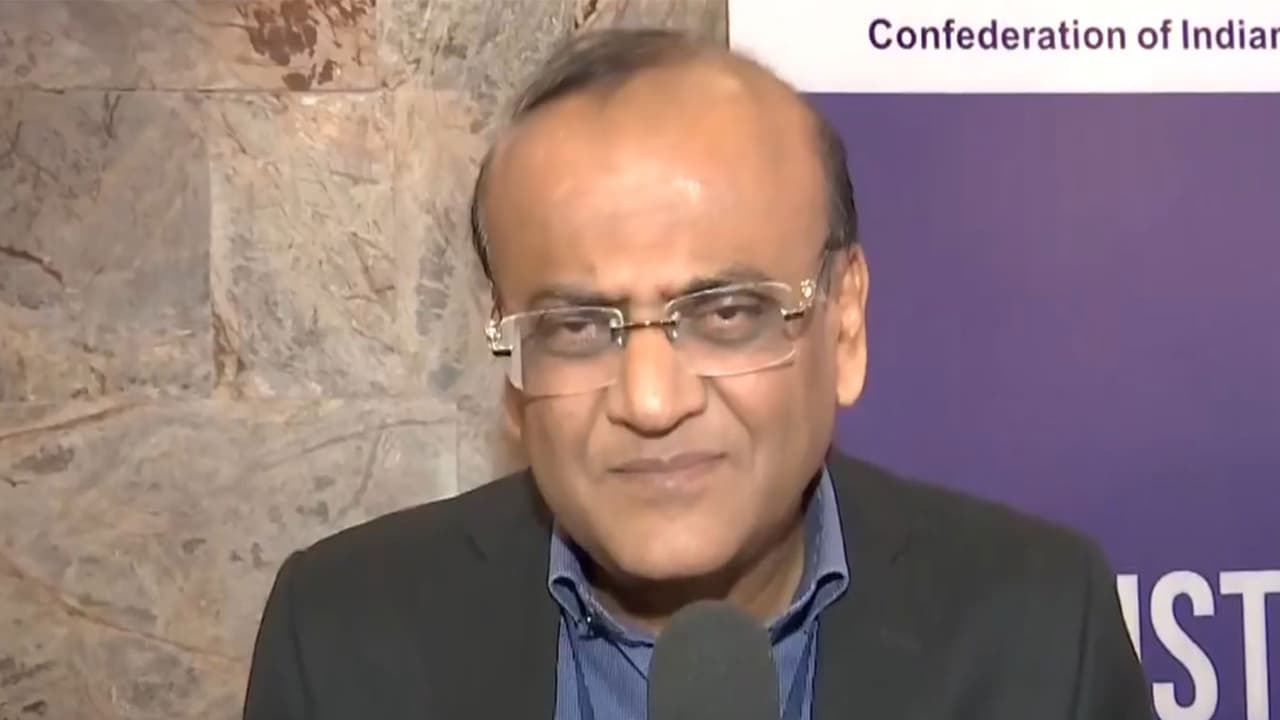
Industry leaders gathered at the CII Global Summit on March 15, 2024, in New Delhi, calling for enhanced collaboration between the business sector and academic institutions to address the widening gap between research and practical application. The summit highlighted pressing barriers that must be overcome to keep pace with technological advancements and economic demands.
Addressing the Gap in Collaboration
During the summit, Rohit Bansal, Group Head of Corporate Communications at Reliance Industries Ltd, emphasized the urgent need to bridge the divide between industry and academia. He noted that while companies are advancing technology rapidly, academic institutions are struggling to keep up. “CII has identified that industry and academia are too far apart. They identified both a problem and an opportunity,” Bansal stated. He mentioned that firms that collaborate closely with educational institutions are witnessing significant results.
Bansal also indicated that the Confederation of Indian Industry (CII) is working to incentivize successful partnerships by recognizing and awarding those who excel in collaboration. This initiative aims to motivate more companies to engage with academic research and innovation.
Creating a ‘Golden Triangle’ for Innovation
At the same event, Aniket Gandhi, Head of Research and Development at Hindustan Unilever, discussed the necessity of strengthening the coordination between government, industry, and academia to transform research intentions into actionable innovations. He referred to this partnership model as a “golden triangle” and emphasized that effective collaboration requires substantial groundwork.
Gandhi identified key barriers hindering progress, including limited interaction among stakeholders, inadequate human resources, and weaknesses in co-funding models. He stressed the importance of establishing clear business cases to facilitate project development. To drive private research and development investment, Gandhi advocated for better incentives, such as a more transparent tax structure and a supportive policy for Global Capability Centres. He called for a robust ecosystem that includes academia, startups, and government, all supported by a strong intellectual property framework.
Additionally, India’s Minister of State for Science and Technology, Jitendra Singh, addressed the shifting role of the private sector in the country’s space and nuclear industries. He noted that India’s private sector is poised to take on a significantly larger role, a transformation that seemed unthinkable just a decade ago. “India has transformed from being counted among the ‘fragile five’ emerging economies to becoming ‘first among four’,” he said, reflecting on the country’s growing confidence in its scientific and industrial capabilities.
Singh highlighted the recent policy changes that have opened the space sector to private players, indicating a major shift in approach. He remarked, “Nobody could have imagined this ten years back,” as he discussed how private companies are now emerging as vital partners in strategic fields such as space and defense. Furthermore, he noted that even in the traditionally state-dominated nuclear sector, non-government entities are beginning to play an important role.
The minister underscored the necessity of collaboration among research institutions, academia, and startups, arguing that such synergy is essential for fostering innovation-led growth. He also mentioned India’s expanding genetic data bank, which he described as “unique” and unmatched globally, asserting that it could serve as a valuable resource for both industry and scientific research.
As discussions at the CII Global Summit continue, the need for actionable strategies to enhance industry-academia partnerships remains a critical focus. The insights shared by leaders like Bansal, Gandhi, and Singh underline the importance of collaborative efforts in driving India’s innovation landscape forward.

Albert Camus’ Insightful Quote on Human Identity Resurfaces

Drone Strikes and Missile Attacks Disrupt UAE Amid Rising Tensions

Japanese Yen Rises Sharply Against US Dollar Ahead of Key Decisions

Priyanka Chopra and Nick Jonas Avoid Near Miss en Route to Oscars

Gujarat Vaccinates Over 11 Lakh Infants in Major Health Drive

Alexandre Singh Wins Oscar, Celebrates Immigrant Heritage

Lok Sabha Speaker Issues Warning Over Placards in Parliament

Global Electrosurgical Devices Market Expands to $10.2 Billion by 2034

North Zone Dominates Cricket; SJAM-1 Shines in Table Tennis

SBI Announces QIP Floor Price at ₹811.05 Per Share

Cept Unveils ₹3.1 Crore Urban Mobility Plan for Sustainable Growth

Comparing Subscription Prices: Spotify, Apple Music, and YouTube Music in India

New Blood Group Discovered in South Indian Woman at Rotary Centre

Konkani Cultural Organisation to Host Pearl Jubilee in Abu Dhabi

Torrential Rains Cause Flash Flooding in New York and New Jersey

Nothing Headphone 1 Review: A Bold Contender in Audio Design

Air India Crash Investigation Highlights Boeing Fuel Switch Concerns

Broad Advocates for Bowling Change Ahead of Final Test Against India
-
 World1 year ago
SBI Announces QIP Floor Price at ₹811.05 Per Share
-
 Lifestyle1 year ago
Cept Unveils ₹3.1 Crore Urban Mobility Plan for Sustainable Growth
-
 Science1 year ago
Comparing Subscription Prices: Spotify, Apple Music, and YouTube Music in India
-
 Science1 year ago
New Blood Group Discovered in South Indian Woman at Rotary Centre
-
 Top Stories1 year ago
Konkani Cultural Organisation to Host Pearl Jubilee in Abu Dhabi
-
 World1 year ago
Torrential Rains Cause Flash Flooding in New York and New Jersey
-
 Science1 year ago
Nothing Headphone 1 Review: A Bold Contender in Audio Design
-
 Top Stories1 year ago
Air India Crash Investigation Highlights Boeing Fuel Switch Concerns
-
 Sports1 year ago
Broad Advocates for Bowling Change Ahead of Final Test Against India
-

 Business1 year ago
Indian Stock Market Rebounds: Sensex and Nifty Rise After Four-Day Decline
-

 Sports1 year ago
Cristian Totti Retires at 19: Pressure of Fame Takes Toll
-

 Politics1 year ago
Abandoned Doberman Finds New Home After Journey to Prague