
World
Trump Considers Ending Federal Taxes on Gambling Winnings

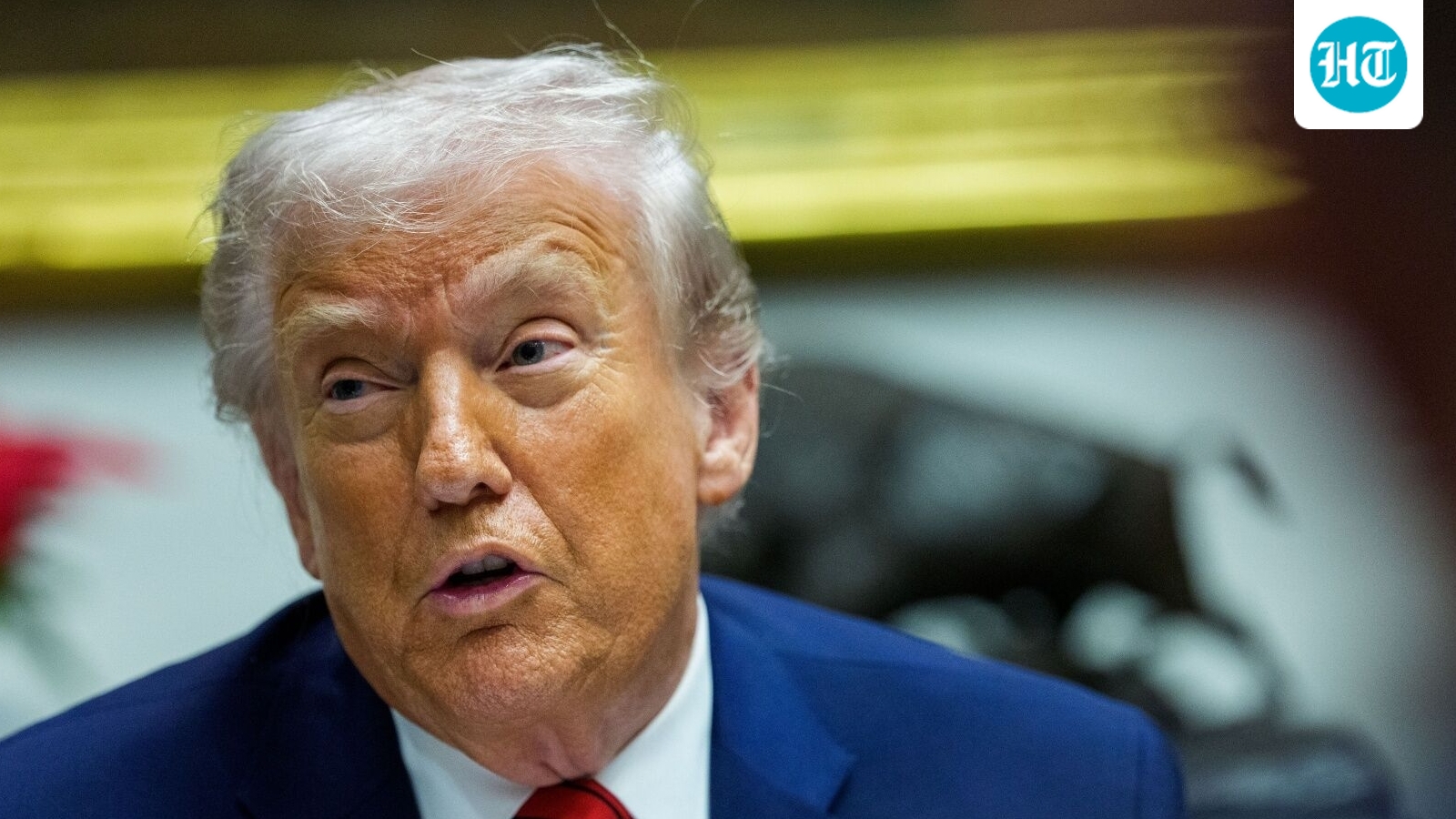
Trump Signals Openness to Ending Federal Taxes on Gambling Winnings — Why It Matters Beyond the U.S.
President Donald Trump has indicated he is open to considering the elimination of federal taxes on gambling winnings. Speaking briefly to reporters during an Air Force One gaggle, he said he would “have to think about” removing the federal levy applied to gambling payouts, framing it within a broader tax-cut agenda.
Under existing U.S. tax rules, gambling winnings are generally treated as taxable income, and reporting/withholding requirements can apply depending on the payout type and size. A major controversy in the U.S. right now is not only the tax on winnings itself, but a new limitation on how gambling losses can be deducted against winnings—creating “phantom income” scenarios where a high-volume bettor could owe tax even if they break even.
The “90% loss deduction” issue driving the debate
The discussion has intensified after the One Big Beautiful Bill Act (OBBBA), enacted on July 4, 2025, introduced a cap limiting deductible gambling losses to 90% (effective for tax years beginning after December 31, 2025). The practical impact: even if a gambler’s wins and losses net to zero, they may still show taxable income under the cap.
Legislative efforts to change the rule
Following the backlash, lawmakers have floated proposals intended to restore the traditional 100% loss-offset treatment. Reporting around these efforts highlights that representatives from gambling-heavy states (notably Nevada) have been particularly active, reflecting the political sensitivity of gambling taxation in regions where the industry is a major employer.
So why should readers in India care?
Because tax policy shapes gambling behaviour everywhere. The U.S. debate is a live example of how changes to withholding, deductions, and the definition of “net winnings” can shift players toward (or away from) regulated channels—and can also affect cross-border platforms, affiliates, and the wider gaming ecosystem.
In India, the tax baseline is already strict. Winnings from gambling/lotteries and many gaming formats are commonly associated with a 30% tax rate, and India has specific TDS (tax deducted at source) mechanisms for winnings—especially for online gaming, where dedicated provisions like sections 115BBJ and 194BA were introduced to tax and withhold on net winnings.
And for those looking for a legal, land-based casino reference point in India: casino gaming is permitted in limited jurisdictions (such as Goa under local rules). A well-known example is Deltin Royale (Goa).
Bottom line
Trump’s comment about potentially eliminating federal taxes on gambling winnings is politically potent, but any real change would require Congressional action and would likely be debated alongside the already-controversial 90% loss-deduction cap. For Indian readers, the bigger takeaway is structural: when governments change how winnings and losses are taxed, the incentives shift fast—and so does where (and how) people choose to gamble.

Albert Camus’ Insightful Quote on Human Identity Resurfaces

Drone Strikes and Missile Attacks Disrupt UAE Amid Rising Tensions

Japanese Yen Rises Sharply Against US Dollar Ahead of Key Decisions

Priyanka Chopra and Nick Jonas Avoid Near Miss en Route to Oscars

Gujarat Vaccinates Over 11 Lakh Infants in Major Health Drive

Alexandre Singh Wins Oscar, Celebrates Immigrant Heritage

Lok Sabha Speaker Issues Warning Over Placards in Parliament

Global Electrosurgical Devices Market Expands to $10.2 Billion by 2034

North Zone Dominates Cricket; SJAM-1 Shines in Table Tennis

SBI Announces QIP Floor Price at ₹811.05 Per Share

Cept Unveils ₹3.1 Crore Urban Mobility Plan for Sustainable Growth

New Blood Group Discovered in South Indian Woman at Rotary Centre

Konkani Cultural Organisation to Host Pearl Jubilee in Abu Dhabi

Torrential Rains Cause Flash Flooding in New York and New Jersey

Nothing Headphone 1 Review: A Bold Contender in Audio Design

Indian Stock Market Rebounds: Sensex and Nifty Rise After Four-Day Decline

Air India Crash Investigation Highlights Boeing Fuel Switch Concerns

Broad Advocates for Bowling Change Ahead of Final Test Against India
-
 World12 months ago
SBI Announces QIP Floor Price at ₹811.05 Per Share
-
 Lifestyle12 months ago
Cept Unveils ₹3.1 Crore Urban Mobility Plan for Sustainable Growth
-
 Science12 months ago
New Blood Group Discovered in South Indian Woman at Rotary Centre
-
 Top Stories12 months ago
Konkani Cultural Organisation to Host Pearl Jubilee in Abu Dhabi
-
 World12 months ago
Torrential Rains Cause Flash Flooding in New York and New Jersey
-
 Science12 months ago
Nothing Headphone 1 Review: A Bold Contender in Audio Design
-
 Business12 months ago
Indian Stock Market Rebounds: Sensex and Nifty Rise After Four-Day Decline
-
 Top Stories12 months ago
Air India Crash Investigation Highlights Boeing Fuel Switch Concerns
-
 Sports12 months ago
Broad Advocates for Bowling Change Ahead of Final Test Against India
-

 Sports12 months ago
Cristian Totti Retires at 19: Pressure of Fame Takes Toll
-

 Politics12 months ago
Abandoned Doberman Finds New Home After Journey to Prague
-

 Lifestyle12 months ago
Villagers Unite to Raise ₹45 Lakh for Water Solutions in Vadgam