
World
South Korea’s KF-21 Fighter Jet Reaches 2,300 Kmph in Milestone Test

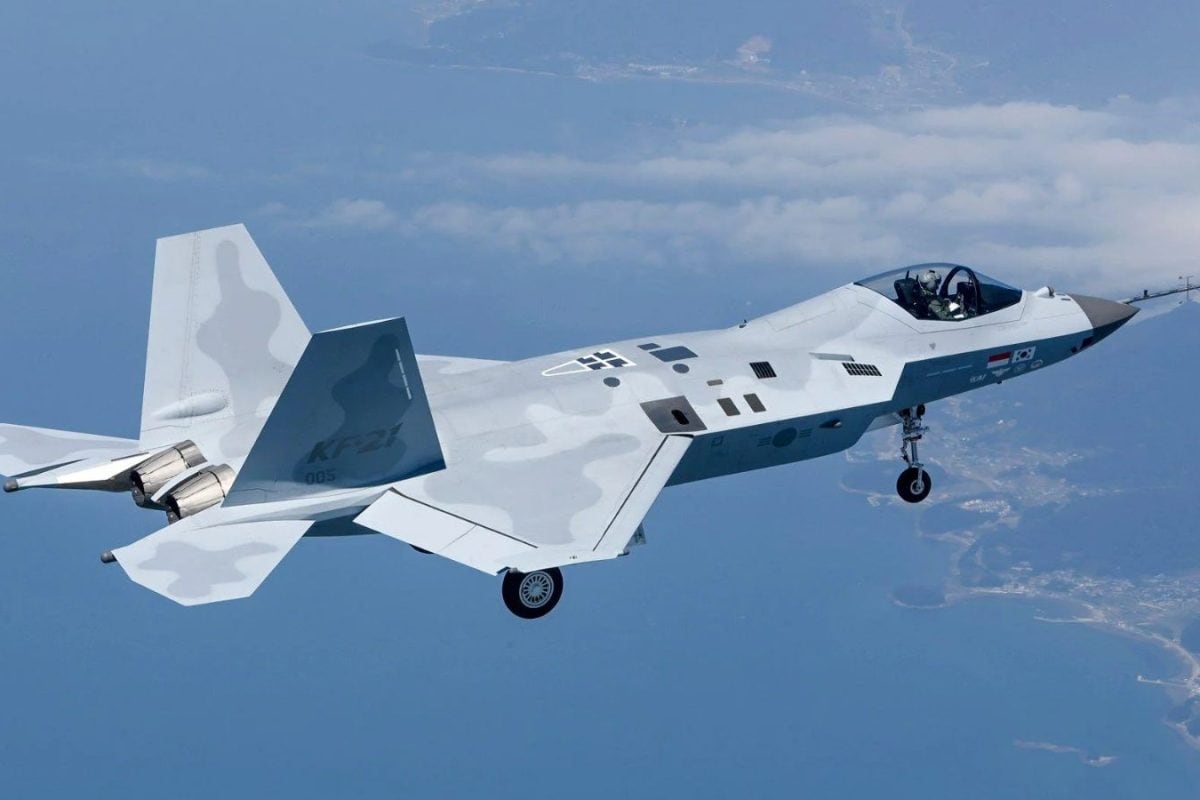
South Korea’s first domestically produced fighter jet, the KF-21 Boramae, has successfully achieved a top speed of approximately 2,300 kmph during recent test flights. This significant milestone positions South Korea among a select group of nations capable of developing advanced combat aircraft. The KF-21 is part of a multi-billion-dollar program led by Korea Aerospace Industries (KAI), aiming to bolster military self-reliance amid rising regional security threats.
The KF-21, often classified as a “4.5-generation” multirole aircraft, is designed to replace the aging F-4 and F-5 fighters currently in service with the Republic of Korea Air Force. Development of the KF-21 began in 2010, and the aircraft has already completed over 2,000 hours of test flights, according to official reports. Deliveries to the air force are anticipated to commence within this year, with plans for further enhancements in subsequent phases of the program.
Advanced Features and Future Prospects
The KF-21 is equipped with cutting-edge avionics, including Active Electronically Scanned Array (AESA) radar and fly-by-wire controls, designed to enhance its operational capabilities. While the aircraft currently utilizes external hardpoints for weaponry, future versions are expected to incorporate internal bays to improve stealth functionality. This development aims to reduce its radar cross-section, making it a more formidable competitor in the skies.
In terms of cost-effectiveness, the KF-21 is being positioned as a more affordable alternative to fifth-generation fighters such as the F-35, which is manufactured in the United States. The collaborative effort also involves joint funding with Indonesia, which has expressed interest in the project. Additionally, countries like the Philippines and Malaysia are reportedly considering procurement opportunities related to the KF-21.
The KF-21 program emerges as South Korea’s defense sector expands its global influence, especially following successful exports of military hardware such as the K2 main battle tank and the K9 self-propelled howitzer. Analysts suggest that the KF-21 not only enhances South Korea’s military capabilities but also strengthens its position amid a competitive aerospace market, where nations like India with the Tejas program and Turkey with the KAAN fighter jet are advancing their own indigenous developments.
Strategic Implications
The introduction of the KF-21 signifies more than just an advancement in aircraft technology for South Korea. It embodies a broader strategic objective of achieving technological independence and autonomy in defense procurement. The KF-21 is perceived as a critical asset in responding to evolving threats in East Asia, particularly in a landscape where China’s J-20 stealth fighter maintains a dominant presence, albeit with much of its technology remaining classified.
As the KF-21 prepares for its operational debut, it will serve as a testament to South Korea’s commitment to enhancing its military capabilities while reducing dependence on foreign suppliers. The successful development of the KF-21 Boramae not only signifies a technological leap but also reflects South Korea’s determination to navigate the complexities of regional security dynamics effectively.

Albert Camus’ Insightful Quote on Human Identity Resurfaces

Drone Strikes and Missile Attacks Disrupt UAE Amid Rising Tensions

Japanese Yen Rises Sharply Against US Dollar Ahead of Key Decisions

Priyanka Chopra and Nick Jonas Avoid Near Miss en Route to Oscars

Gujarat Vaccinates Over 11 Lakh Infants in Major Health Drive

Alexandre Singh Wins Oscar, Celebrates Immigrant Heritage

Lok Sabha Speaker Issues Warning Over Placards in Parliament

Global Electrosurgical Devices Market Expands to $10.2 Billion by 2034

North Zone Dominates Cricket; SJAM-1 Shines in Table Tennis

SBI Announces QIP Floor Price at ₹811.05 Per Share

Cept Unveils ₹3.1 Crore Urban Mobility Plan for Sustainable Growth

New Blood Group Discovered in South Indian Woman at Rotary Centre

Konkani Cultural Organisation to Host Pearl Jubilee in Abu Dhabi

Torrential Rains Cause Flash Flooding in New York and New Jersey

Nothing Headphone 1 Review: A Bold Contender in Audio Design

Indian Stock Market Rebounds: Sensex and Nifty Rise After Four-Day Decline

Air India Crash Investigation Highlights Boeing Fuel Switch Concerns

Broad Advocates for Bowling Change Ahead of Final Test Against India
-
 World12 months ago
SBI Announces QIP Floor Price at ₹811.05 Per Share
-
 Lifestyle12 months ago
Cept Unveils ₹3.1 Crore Urban Mobility Plan for Sustainable Growth
-
 Science12 months ago
New Blood Group Discovered in South Indian Woman at Rotary Centre
-
 Top Stories12 months ago
Konkani Cultural Organisation to Host Pearl Jubilee in Abu Dhabi
-
 World12 months ago
Torrential Rains Cause Flash Flooding in New York and New Jersey
-
 Science12 months ago
Nothing Headphone 1 Review: A Bold Contender in Audio Design
-
 Business12 months ago
Indian Stock Market Rebounds: Sensex and Nifty Rise After Four-Day Decline
-
 Top Stories12 months ago
Air India Crash Investigation Highlights Boeing Fuel Switch Concerns
-
 Sports12 months ago
Broad Advocates for Bowling Change Ahead of Final Test Against India
-

 Sports12 months ago
Cristian Totti Retires at 19: Pressure of Fame Takes Toll
-

 Politics12 months ago
Abandoned Doberman Finds New Home After Journey to Prague
-
 Lifestyle12 months ago
Villagers Unite to Raise ₹45 Lakh for Water Solutions in Vadgam