
World
Piyush Goyal Accuses Rahul Gandhi of Misleading Farmers Over US Trade Deal

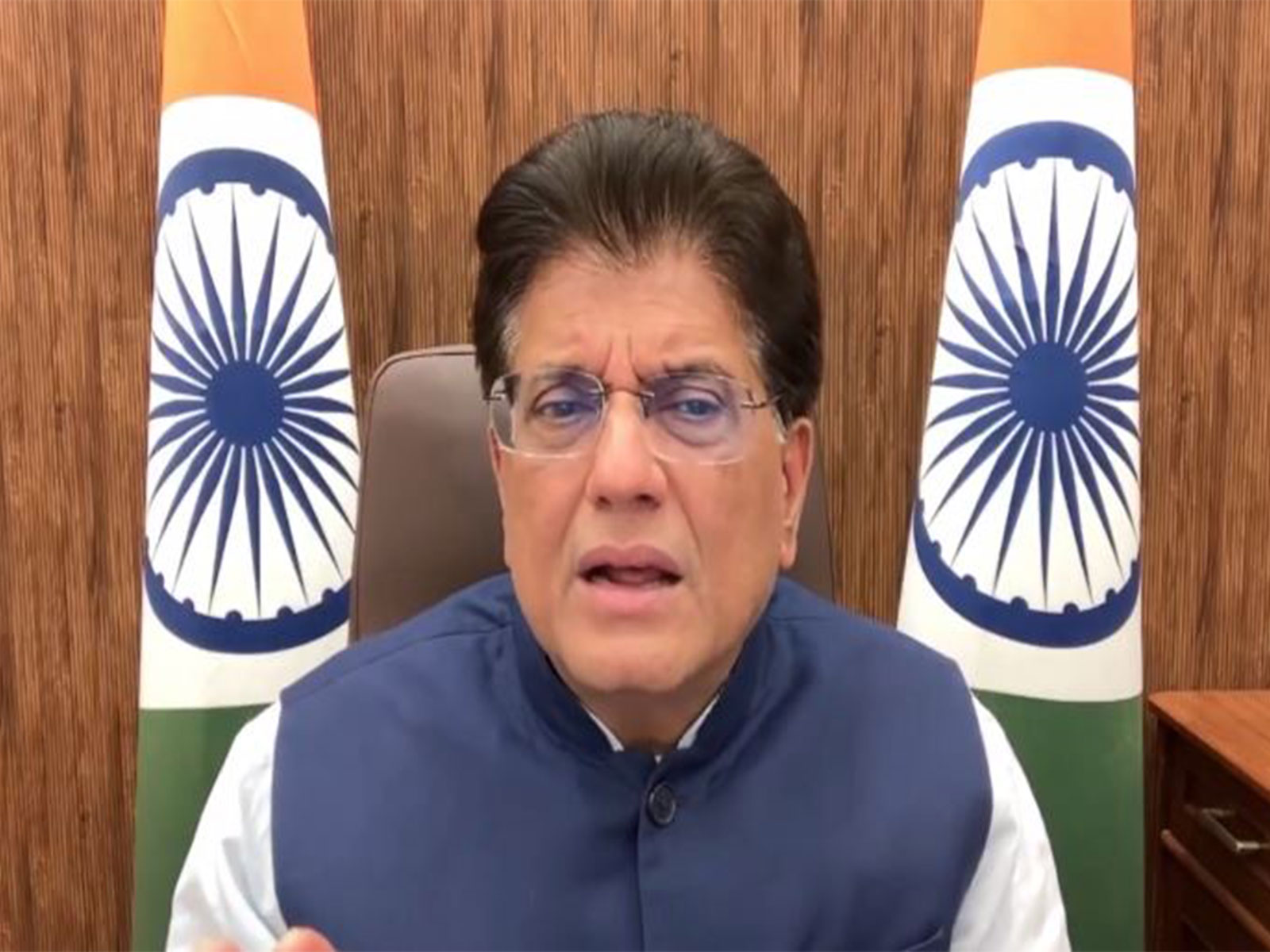
Union Minister Piyush Goyal has publicly criticized Congress leader Rahul Gandhi, labeling him a “habitual liar” and accusing him of misleading farmers regarding the recent trade agreement with the United States. In a video posted on February 13, 2024, Goyal asserted that Gandhi’s statements about the trade deal were based on a “fake narrative” designed to provoke unrest among farmers.
Goyal’s remarks follow a video in which Gandhi outlined his concerns about the trade agreement, which was announced last week. Goyal claimed that Gandhi “has broken all records of speaking falsehood” and made “baseless allegations” regarding the impact of the deal on farmers’ interests. He emphasized that Prime Minister Narendra Modi has consistently prioritized the well-being of farmers in all decisions related to agricultural policies.
In the video, Goyal detailed the protections included in the trade agreement, stating that it safeguards major crops such as wheat, rice, millets, soya meal, corn, and various fruits, including apples. He stressed that the deal does not open India’s market to dairy products or poultry, a point he believes is crucial for protecting domestic farmers.
Goyal elaborated on the potential benefits of the trade deal, stating, “The truth is that many of our products, including basmati rice, fruits, spices, tea, marine products, and many more, will find new markets, increase our exports, and boost farmer incomes.” He argued that the agreement is designed to enhance demand for cotton textiles, which will positively impact cotton farmers across the country.
Details of the India-US Trade Agreement
The India-US Interim Agreement aims to establish a framework for a reciprocal trade pact that benefits both nations. This agreement involves the elimination or reduction of tariffs on a variety of products, including US industrial goods and agricultural items such as dried distillers’ grains, red sorghum, tree nuts, and various fruits. In exchange, the United States will impose a reciprocal tariff of 18 percent on selected Indian goods, including textiles, leather, and certain machinery.
Upon full implementation, tariffs on items like generic pharmaceuticals, gems, and aircraft parts are set to be eliminated. Goyal expressed optimism that the trade deal will boost farmer incomes through increased exports and improved market access.
Earlier, Rahul Gandhi had challenged the ruling Bharatiya Janata Party (BJP) to take action against him, stating his commitment to advocating for farmers’ rights. His comments came after Kiren Rijiju, the Union Parliamentary Affairs Minister, indicated that BJP members would seek a privilege motion against Gandhi for allegedly misleading the Lok Sabha.
However, reports suggest that the central government may not pursue this motion, though Gandhi’s remarks might be expunged from the record, as they lacked verification.
Goyal’s statements reflect the ongoing political tensions surrounding agricultural policies in India, with both parties vying for the support of the farming community. As the trade agreement unfolds, its true impact on farmers and the broader economy will likely remain a topic of debate in the lead-up to upcoming elections.

Albert Camus’ Insightful Quote on Human Identity Resurfaces

Drone Strikes and Missile Attacks Disrupt UAE Amid Rising Tensions

Japanese Yen Rises Sharply Against US Dollar Ahead of Key Decisions

Priyanka Chopra and Nick Jonas Avoid Near Miss en Route to Oscars

Gujarat Vaccinates Over 11 Lakh Infants in Major Health Drive

Alexandre Singh Wins Oscar, Celebrates Immigrant Heritage

Lok Sabha Speaker Issues Warning Over Placards in Parliament

Global Electrosurgical Devices Market Expands to $10.2 Billion by 2034

North Zone Dominates Cricket; SJAM-1 Shines in Table Tennis

SBI Announces QIP Floor Price at ₹811.05 Per Share

Cept Unveils ₹3.1 Crore Urban Mobility Plan for Sustainable Growth

New Blood Group Discovered in South Indian Woman at Rotary Centre

Konkani Cultural Organisation to Host Pearl Jubilee in Abu Dhabi

Torrential Rains Cause Flash Flooding in New York and New Jersey

Nothing Headphone 1 Review: A Bold Contender in Audio Design

Indian Stock Market Rebounds: Sensex and Nifty Rise After Four-Day Decline

Air India Crash Investigation Highlights Boeing Fuel Switch Concerns

Broad Advocates for Bowling Change Ahead of Final Test Against India
-
 World12 months ago
SBI Announces QIP Floor Price at ₹811.05 Per Share
-
 Lifestyle12 months ago
Cept Unveils ₹3.1 Crore Urban Mobility Plan for Sustainable Growth
-
 Science12 months ago
New Blood Group Discovered in South Indian Woman at Rotary Centre
-
 Top Stories12 months ago
Konkani Cultural Organisation to Host Pearl Jubilee in Abu Dhabi
-
 World12 months ago
Torrential Rains Cause Flash Flooding in New York and New Jersey
-
 Science12 months ago
Nothing Headphone 1 Review: A Bold Contender in Audio Design
-
 Business12 months ago
Indian Stock Market Rebounds: Sensex and Nifty Rise After Four-Day Decline
-
 Top Stories12 months ago
Air India Crash Investigation Highlights Boeing Fuel Switch Concerns
-
 Sports12 months ago
Broad Advocates for Bowling Change Ahead of Final Test Against India
-

 Sports12 months ago
Cristian Totti Retires at 19: Pressure of Fame Takes Toll
-

 Politics12 months ago
Abandoned Doberman Finds New Home After Journey to Prague
-
 Lifestyle12 months ago
Villagers Unite to Raise ₹45 Lakh for Water Solutions in Vadgam