
World
Myanmar Rejects Genocide Claims as Evidence Unfolds at ICJ

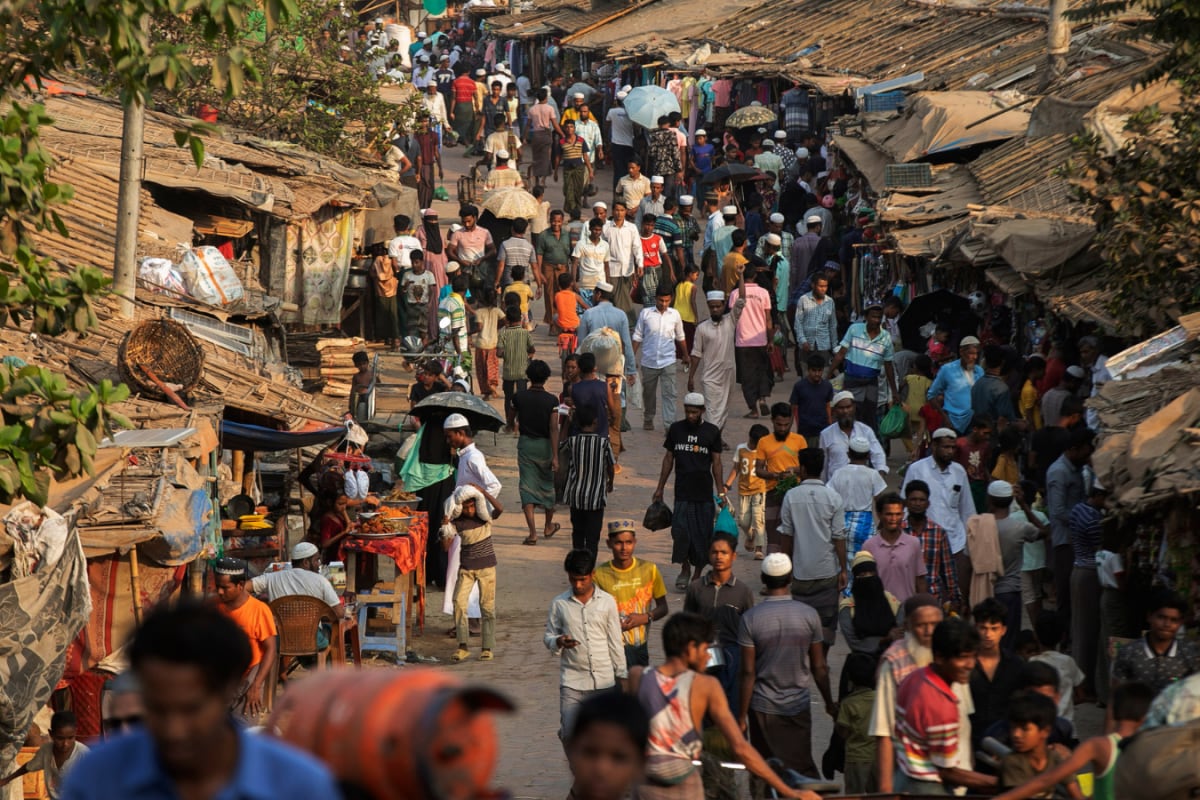
The International Court of Justice (ICJ) is currently hearing a case brought by The Gambia against Myanmar, with allegations of genocide against the Rohingya minority. On January 26, 2024, Myanmar’s representative, Ko Ko Hlaing, dismissed these claims as “unsubstantiated,” insisting that the military’s actions in Rakhine State during 2017 were part of a legitimate “counter-terrorism operation.” This statement came during a three-week hearing where The Gambia presented a detailed account of the alleged atrocities committed against the Rohingya people.
As the hearings continue in The Hague, Myanmar’s defense argues that the military operations were a response to coordinated attacks by the Arakan Rohingya Salvation Army (ARSA), a militant group operating in the region. According to Ko Ko Hlaing, the subsequent military actions, which resulted in the displacement of over 700,000 people to Bangladesh, were unfortunate consequences of an internal conflict rather than an orchestrated plan for extermination.
The Gambia’s legal team, supported by several Western nations, including the United Kingdom and Canada, presented a starkly contrasting narrative. They introduced evidence of mass gang rapes, indiscriminate killings of children, and the systematic destruction of thousands of homes, asserting that these actions are indicative of genocidal intent. Counsel for The Gambia emphasized that the evidence suggests a deliberate effort to “erase” the Rohingya community from Myanmar.
Significance of the Proceedings
This phase of the trial is particularly significant as it marks the first time the UN’s top court will issue a definitive judgment regarding allegations of genocide in the 21st century. The court’s deliberations could have far-reaching implications, not only for Myanmar but also for ongoing genocide accusations around the world.
During the hearings, the Gambia’s representatives described the Rohingya situation as a humanitarian crisis, arguing that the dehumanizing rhetoric from Myanmar officials and the long-standing denial of citizenship to the Rohingya contribute to the context of the alleged genocide. They contend that such a brutal pattern of conduct reflects a clear intent to eliminate the group.
As the hearings draw to a close on January 29, 2024, the international community is keenly focused on the outcome. While a final decision from the court could take months or even years, the implications of the trial are already resonating. The legal precedent set by this case may further isolate Myanmar’s military regime on the global stage.
The ICJ’s proceedings are currently taking place behind closed doors, where the court is hearing direct testimonies from Rohingya survivors. Their accounts are expected to play a critical role in the court’s assessment of the evidence presented and the overall determination of whether Myanmar has committed genocide.
The world watches closely as these hearings unfold, with the potential to influence international law and human rights standards for years to come.

Albert Camus’ Insightful Quote on Human Identity Resurfaces

Drone Strikes and Missile Attacks Disrupt UAE Amid Rising Tensions

Japanese Yen Rises Sharply Against US Dollar Ahead of Key Decisions

Priyanka Chopra and Nick Jonas Avoid Near Miss en Route to Oscars

Gujarat Vaccinates Over 11 Lakh Infants in Major Health Drive

Alexandre Singh Wins Oscar, Celebrates Immigrant Heritage

Lok Sabha Speaker Issues Warning Over Placards in Parliament

Global Electrosurgical Devices Market Expands to $10.2 Billion by 2034

North Zone Dominates Cricket; SJAM-1 Shines in Table Tennis

SBI Announces QIP Floor Price at ₹811.05 Per Share

Cept Unveils ₹3.1 Crore Urban Mobility Plan for Sustainable Growth

New Blood Group Discovered in South Indian Woman at Rotary Centre

Konkani Cultural Organisation to Host Pearl Jubilee in Abu Dhabi

Torrential Rains Cause Flash Flooding in New York and New Jersey

Nothing Headphone 1 Review: A Bold Contender in Audio Design

Indian Stock Market Rebounds: Sensex and Nifty Rise After Four-Day Decline

Air India Crash Investigation Highlights Boeing Fuel Switch Concerns

Broad Advocates for Bowling Change Ahead of Final Test Against India
-
 World12 months ago
SBI Announces QIP Floor Price at ₹811.05 Per Share
-
 Lifestyle12 months ago
Cept Unveils ₹3.1 Crore Urban Mobility Plan for Sustainable Growth
-
 Science12 months ago
New Blood Group Discovered in South Indian Woman at Rotary Centre
-
 Top Stories12 months ago
Konkani Cultural Organisation to Host Pearl Jubilee in Abu Dhabi
-
 World12 months ago
Torrential Rains Cause Flash Flooding in New York and New Jersey
-
 Science12 months ago
Nothing Headphone 1 Review: A Bold Contender in Audio Design
-
 Business12 months ago
Indian Stock Market Rebounds: Sensex and Nifty Rise After Four-Day Decline
-
 Top Stories12 months ago
Air India Crash Investigation Highlights Boeing Fuel Switch Concerns
-
 Sports12 months ago
Broad Advocates for Bowling Change Ahead of Final Test Against India
-

 Sports12 months ago
Cristian Totti Retires at 19: Pressure of Fame Takes Toll
-

 Politics12 months ago
Abandoned Doberman Finds New Home After Journey to Prague
-

 Lifestyle12 months ago
Villagers Unite to Raise ₹45 Lakh for Water Solutions in Vadgam