
World
China Issues Warning to Japan Following Takaichi’s Election Victory

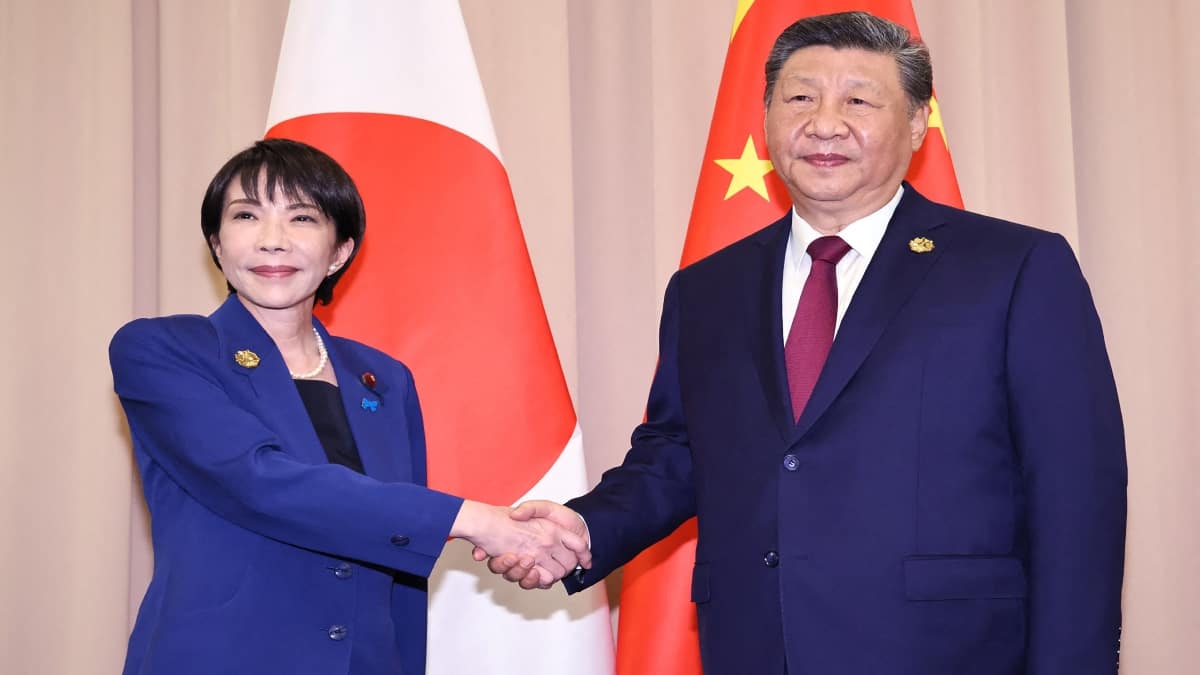
China has issued a stern warning to Japan, emphasizing that any reckless actions would trigger a “resolute response.” This statement follows the landslide election victory of Japan’s Prime Minister Sanae Takaichi, who is perceived as critical of Beijing. The tension between the two nations has been fueled by Takaichi’s previous comments suggesting potential military intervention by Japan in defense of self-ruled Taiwan.
Takaichi’s remarks in November indicated a willingness for Japan to intervene if Taiwan were to come under attack. This stance directly challenges China’s claim over Taiwan, which it regards as part of its territory. The Chinese government has not ruled out the use of force to assert control over the island. During a regular press briefing, Lin Jian, spokesperson for China’s foreign ministry, urged Japan to retract Takaichi’s statements. He warned that reckless actions by Japan’s leadership could lead to significant backlash, both domestically and from the international community.
Lin stated, “If the far-right forces in Japan misjudge the situation and act recklessly, they will inevitably face resistance from the Japanese people and a resolute response from the international community.” He called on Japan to demonstrate sincerity in maintaining the political foundation of China–Japan relations through tangible actions.
Escalating Tensions and Diplomatic Strains
China’s warning is only the latest development in a series of escalating tensions between the two countries. Following Takaichi’s initial comments, China took measures to discourage its citizens from traveling to Japan, citing concerns over public safety and incidents involving Chinese nationals. Diplomatic relations further deteriorated in December when Chinese military aircraft reportedly locked radar onto Japanese jets, prompting Japan to summon the Chinese ambassador for clarification.
In addition to these military provocations, there are economic implications as well. Reports indicate that China has restricted exports of rare-earth materials to Japan. These materials are critical for various industries, including electric vehicles and defense systems, raising concerns about Japan’s industrial capabilities in the face of such restrictions.
The diplomatic strain was further underscored last month when two giant pandas were returned from Tokyo to China, marking the first time in 50 years that Japan has been without these iconic animals. This gesture has been interpreted as a symbolic act reflecting the current state of affairs between the two nations.
The relationship between China and Japan has always been complex, shaped by historical grievances and contemporary geopolitical challenges. As Takaichi assumes her role as Prime Minister, her approach to foreign policy, particularly regarding Taiwan and China, will likely be closely scrutinized both at home and abroad.
Moving forward, the international community will be watching closely to see how these tensions evolve and whether diplomatic efforts can mitigate potential conflicts. The stakes are high, not only for Japan and China but also for regional stability in East Asia.

Albert Camus’ Insightful Quote on Human Identity Resurfaces

Drone Strikes and Missile Attacks Disrupt UAE Amid Rising Tensions

Japanese Yen Rises Sharply Against US Dollar Ahead of Key Decisions

Priyanka Chopra and Nick Jonas Avoid Near Miss en Route to Oscars

Gujarat Vaccinates Over 11 Lakh Infants in Major Health Drive

Alexandre Singh Wins Oscar, Celebrates Immigrant Heritage

Lok Sabha Speaker Issues Warning Over Placards in Parliament

Global Electrosurgical Devices Market Expands to $10.2 Billion by 2034

North Zone Dominates Cricket; SJAM-1 Shines in Table Tennis

SBI Announces QIP Floor Price at ₹811.05 Per Share

Cept Unveils ₹3.1 Crore Urban Mobility Plan for Sustainable Growth

New Blood Group Discovered in South Indian Woman at Rotary Centre

Konkani Cultural Organisation to Host Pearl Jubilee in Abu Dhabi

Torrential Rains Cause Flash Flooding in New York and New Jersey

Nothing Headphone 1 Review: A Bold Contender in Audio Design

Indian Stock Market Rebounds: Sensex and Nifty Rise After Four-Day Decline

Air India Crash Investigation Highlights Boeing Fuel Switch Concerns

Broad Advocates for Bowling Change Ahead of Final Test Against India
-
 World12 months ago
SBI Announces QIP Floor Price at ₹811.05 Per Share
-
 Lifestyle12 months ago
Cept Unveils ₹3.1 Crore Urban Mobility Plan for Sustainable Growth
-
 Science12 months ago
New Blood Group Discovered in South Indian Woman at Rotary Centre
-
 Top Stories12 months ago
Konkani Cultural Organisation to Host Pearl Jubilee in Abu Dhabi
-
 World12 months ago
Torrential Rains Cause Flash Flooding in New York and New Jersey
-
 Science12 months ago
Nothing Headphone 1 Review: A Bold Contender in Audio Design
-
 Business12 months ago
Indian Stock Market Rebounds: Sensex and Nifty Rise After Four-Day Decline
-
 Top Stories12 months ago
Air India Crash Investigation Highlights Boeing Fuel Switch Concerns
-
 Sports12 months ago
Broad Advocates for Bowling Change Ahead of Final Test Against India
-

 Sports12 months ago
Cristian Totti Retires at 19: Pressure of Fame Takes Toll
-

 Politics12 months ago
Abandoned Doberman Finds New Home After Journey to Prague
-

 Lifestyle12 months ago
Villagers Unite to Raise ₹45 Lakh for Water Solutions in Vadgam